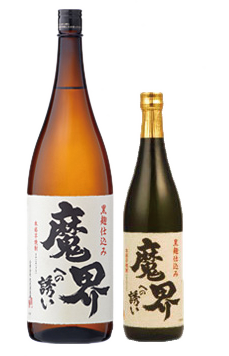
Four categories behind similar names
Japanese honkaku shochu uses koji fermentation and pot distillation to retain ingredient and fermentation character. Korui shochu uses continuous distillation and is often chosen for neutral mixed drinks. Widely sold Korean diluted soju adjusts high-purity alcohol with water and other permitted ingredients; sweetness and fruit flavouring depend on the product. Traditional distilled soju, including Andong styles, instead follows grain fermentation and distillation. Compare production categories rather than treating either country as one flavour.
Different routes to international audiences
JINRO’s Global Vision 2030 describes expansion through regular and fruit-flavoured products, distribution and a planned Vietnamese production base. JETRO’s honkaku shochu education foregrounds ingredients, koji and diverse flavours. Our editorial interpretation is that familiar occasions can help introduce soju, while guided tastings and origin stories can introduce honkaku shochu. Both have premium segments; nationality does not determine quality.
Market share is not a brand ranking
The public sources checked do not establish directly comparable worldwide market-share percentages for Japanese shochu and Korean soju in the same year, category and unit. We therefore do not chart an assumed split. JINRO reports 100 million cases sold worldwide in 2022: a brand-sales figure, not Korea’s category share. It cannot be divided into Japan’s export value. A valid comparison must align domestic-sales coverage, volume versus value, and the treatment of diluted and fruit-flavoured products.

 Q-Na
Q-Na Joanne
 Q-Na
Q-Na Joanne