Can an alcohol-free drink work with dinner, rather than just before it?
Joanne
Yes. Think about aroma, sweetness and texture separately. A botanical water adds fragrance, an alcohol-free base can anchor a tonic serve, and a syrup brings concentration and often sweetness. Match the finished drink to the food, and check whether the bottle is ready to drink or designed for mixing.
Reading sweetness
Alcohol-free does not mean sugar-free
A way to start
Explore botanical distillates, syrups and soda
Flavour at a glance
General style guidance, not product tasting scores. Sweet aromas, sugar, ease of drinking and ABV are separate considerations.
01ABV
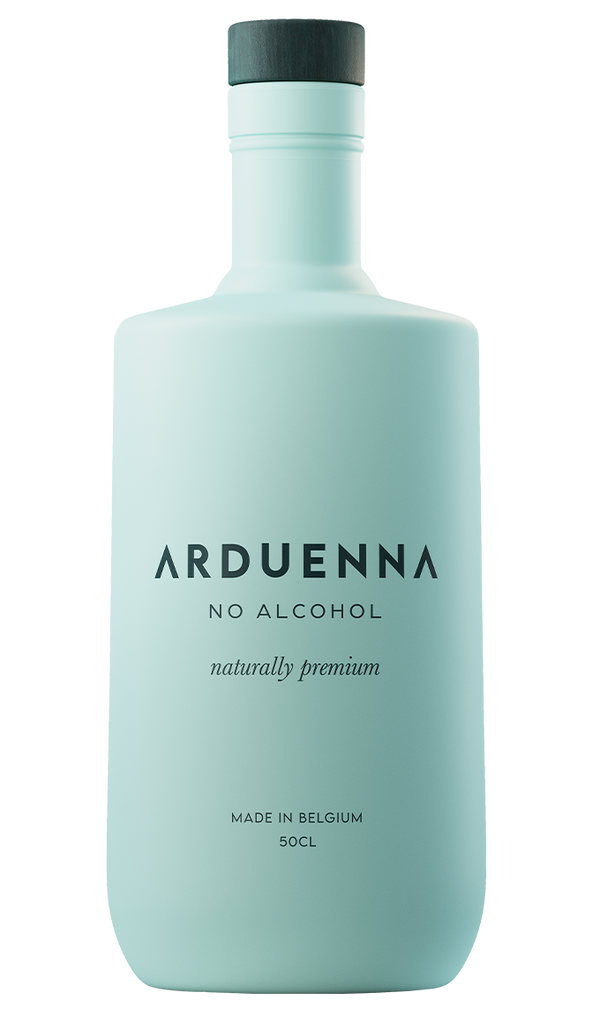
Shown: Arduenna 0.0%; check each label
02Sweetness
Unsweetened through syrup styles
03Acidity
Changes with citrus and mixers
04Aroma
Botanicals, fruit, spice
05Texture
Light to syrupy
06Serving
Distinguish ready-to-drink and concentrates
Illustrations suggest glassware, flavours and ingredients. Pictured ingredients are not necessarily present in every product.
THE DETAILS
Understand the styles
More than a substitute
Tea, juice and sparkling soft drinks have long histories of their own. Drinks that deliberately recreate aspects of beer, wine or spirits have developed through newer production approaches. One concrete Japanese milestone was the 2009 launch of Kirin Free, a 0.00% beer-style drink made without generating alcohol through fermentation. Today the more useful question is often what a drink contributes to a meal, rather than how closely it imitates alcohol.
Different routes to flavour
Some products are fermented and then dealcoholised; others are designed from the outset without alcohol-producing fermentation. Tea, herbs, citrus peel and spices can supply aroma, while acidity, bitterness, tannin, sweetness and carbonation build structure. Removing alcohol changes texture and aroma delivery, so a successful recipe usually needs more than subtraction. It needs a new balance.
Read the number, not only the name
Terms such as alcohol-free, non-alcoholic and low-alcohol are used differently across markets and products. If complete avoidance matters, check the stated alcohol level and ingredients instead of relying on the headline name. Some fermented drinks contain trace alcohol. Zero alcohol also does not mean low sugar or low calories. Treat those as separate pieces of information and check the label for the conditions that matter to you.
Bring it to the table
Tea-like tannin, herbal aroma and citrus acidity can offer useful food-pairing options without relying entirely on sweetness. Try a brisk sparkling drink with a rich dish, or a herbal profile alongside similarly seasoned food, adjusting for the drink’s actual sugar level. Glassware and temperature can make the aroma easier to appreciate. The aim is a table where drinkers and non-drinkers can each choose a distinctive, enjoyable glass.
Think of Shinagawa’s botanical waters as a finishing ingredient. Kuromoji, aomoji and mizunara add different aromatic notes, so follow the individual serving instructions and start small. Your nose gets the first taste, so to speak. Japanese Tonic Syrup also contributes sweetness and bitterness; use its own recipe rather than swapping equal amounts.
Q-Na
Ready to drink, or an ingredient for mixing?
Joanne
Check the bottle’s role before choosing a recipe. A ready-to-drink soda needs no dilution; a concentrated syrup does. Arduenna works as an alcohol-free base with tonic, while Shinagawa’s aromatic waters add a botanical finishing note. Start with the drink you want to make, then choose the ingredient that does that job.
Q-Na
Does alcohol-free also mean sugar-free?
Joanne
Those are separate questions. Check the ingredients, nutrition information and ABV individually, and include the mixer when thinking about sweetness. Unsweetened soda can reduce the concentration without adding sugar, but it does not remove sugar already in the base. If you need 0.0% ABV, look for that figure on the specific bottle.
Q-Na
What makes a good dinner pairing?
Joanne
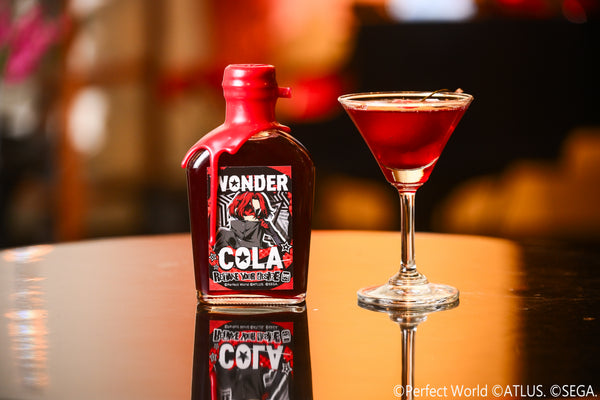
Build around the dish, not the category name. Botanical or citrus aromas are a starting point for light starters; ginger or spiced cola can be worth trying with savoury, spiced food. For a Taiwanese pairing, try a small spiced-cola serve alongside salt-and-pepper fried chicken. These are suggestions to test: compare a sip with a bite and adjust the recipe.
Try a botanical option such as Arduenna No Alcohol with unsweetened soda, linking herbal or citrus notes to the vegetables. Tonic changes sweetness, so consider the dressing.
Try a lightly sweet or dry botanical alcohol-free soda with Taiwanese popcorn chicken. Basil and pepper offer aromatic links without needing an alcoholic base.

 Q-Na
Q-Na Joanne
 Q-Na
Q-Na Joanne


![Pecola ⚠️To 12/13 (6) 14:30 Tamestop [Net store stoppage] ⚠️](http://wain99online.com/cdn/shop/files/231023pecola_hololivepro_72acb779-aba3-4c63-ac42-4b3ca66e0b98.jpg?v=1711017883&width=600)