Browse all categories

Six clues to your next glass

Explore aroma, texture and serving style to find what you enjoy.

ABV

Wide variation: check the label

Check the bottle for its alcohol content. When mixing, consider both the measure and the mixer.

Sweetness

DrySweet

Sweet to bittersweet

Sweet aromas and sugar are different clues. Colour alone does not tell you sweetness.

Acidity

GentleBright

Depends on flavourings

Distinguish acidity in the drink itself from acidity added by juice or mixers.

Aroma

Fruit, herbs, coffee and more

Ideas for describing aromas; illustrated ingredients are not present in every product.
Texture

LightFull

Light to creamy

A light finish or a rounded texture? Temperature and dilution can change the impression.

Serving

Match the mixer to the ingredients
Start with the producer’s serving advice, then adjust temperature or water a little at a time.

The bands show dimensions of taste, not scores or positions for individual products.

THE DETAILS

Understand the styles

From botanical extraction to the table

Liqueurs draw on traditions of steeping herbs, fruit and spices in alcohol. Some brands tell stories of monasteries and medicinal preparations, but legend and documented commercial history should be read separately. Bénédictine, for example, connects an older monastic narrative with a nineteenth-century revival. Historical medicinal use is not evidence of a present-day health benefit. The enduring interest is the craft of capturing and combining aromas.

Sweetness is only one dimension

Liqueurs combine an alcoholic base with flavour and sweetness. Maceration, distillation and extracts offer different production routes, while citrus, coffee, nuts, herbs and cream lead to very different textures. Bitterness and acidity can be as important as sugar. When choosing a bottle, ask whether it will contribute aroma, sweetness, body or several of those elements to the finished drink.

Meet amaro through its balance

Italian amari explore combinations of botanical bitterness and sweetness, from brighter citrus-led expressions to dense herbal and spicy ones. They are often associated with the end of a meal, but that is not their only possible setting. A little soda or ice can reveal another side. Start with a small measure and follow the bitterness through the finish. Digestif is a cultural description, not a promise about digestion.

A little can change a whole drink

A liqueur can lead a serve or act as a small aromatic accent. Avoid stacking several sweet ingredients before you understand the bottle; water, unsweetened soda or coffee may offer a clearer first comparison. Cream-based and juice-containing products can have particular storage requirements. Alcohol content alone does not mean indefinite shelf life, so check refrigeration and after-opening guidance on the label.

Further reading: Bénédictine · Heritage · WSET · Liqueurs and flavoured spirits

Q-NaQ-Na

Fruit, herbs, coffee or cream

JoanneJoanne

The flavouring and alcoholic base both matter. Look for acidity and aroma in fruit styles, bitterness or freshness in herbal styles, roasted notes in coffee styles, and richness in cream styles. Sweetness and strength vary within each group.

Q-NaQ-Na

Sweetness is not a strength indicator

JoanneJoanne

Sweetness may soften the perception of alcohol. Check both ABV and the quantity in the glass. For example, 45 ml of a 15% liqueur plus 90 ml of milk is approximately 5% ABV. If the mixer contains alcohol, include that too.

Q-NaQ-Na

Store according to the ingredients

JoanneJoanne

A liqueur containing juice or dairy may need different care from a plain spirit. Follow the product instructions for refrigeration and use after opening. Cream styles can separate when mixed with acidic juice, so check the recipe and start small.

Q-NaQ-Na

Liqueur is defined by what is in it

The word liqueur sounds like a catch-all for sweet drinks, but Japanese tax law defines it by content: an alcoholic drink with sugar, fruit, herbs or similar added, with an extract content of 2 degrees or more. Extract content is what is left once you set aside the water and the alcohol. So the line is drawn by how much is dissolved in it, not by how sweet it tastes. Umeshu counts as a fruit liqueur, and that is why canned fruit drinks carry the same label. With the same ingredients but less extract, the drink falls into another class, with different tax and labelling.

AT THE TABLE

Start with the food.

Six Japanese, six Western and six Chinese or Taiwanese ideas: everyday meals, ready-to-serve snacks and a few sweet surprises. Choose the food, then explore a serving style.

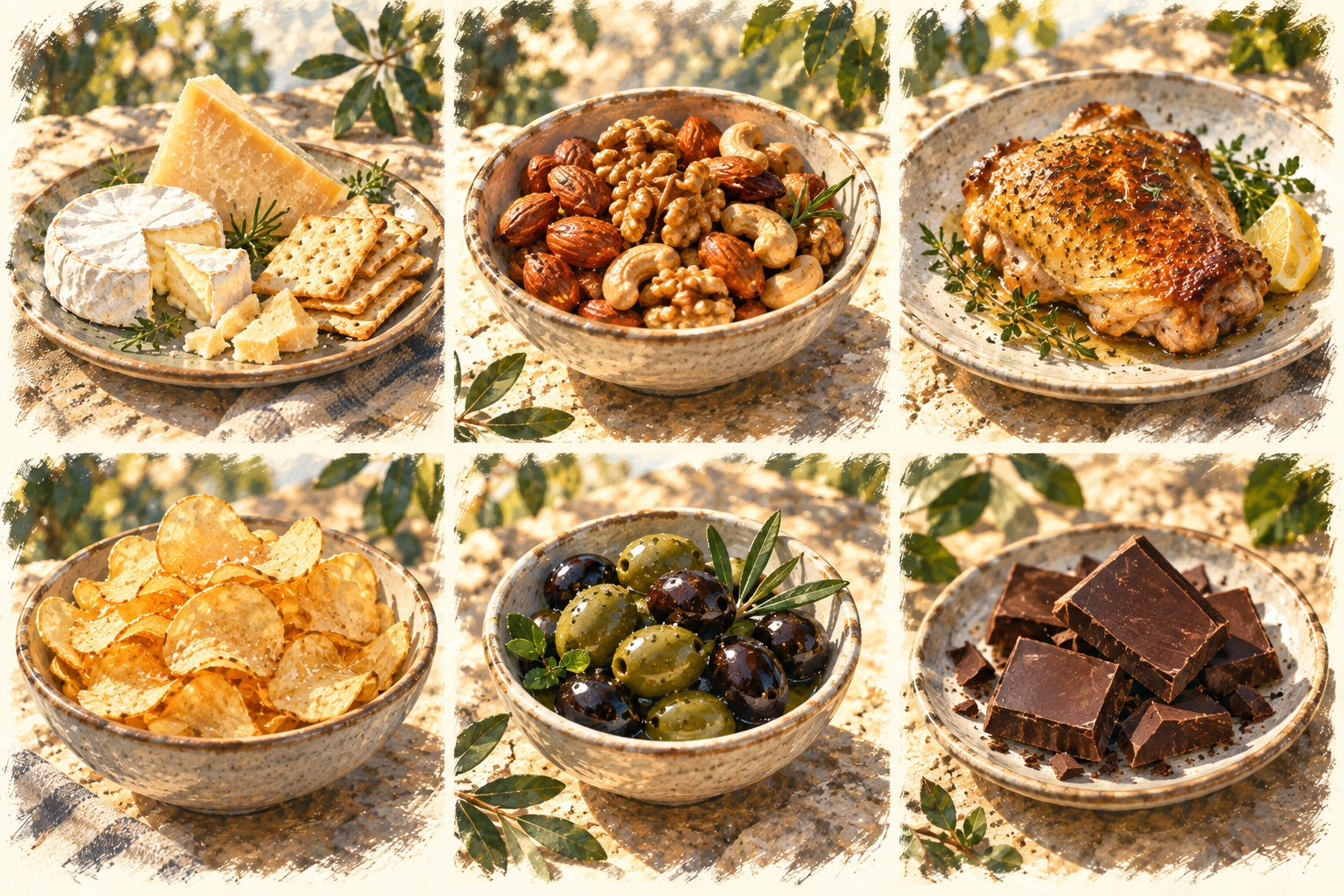
Start with supermarket cheese, plain crisps or roast chicken. Frozen edamame and dumplings are practical introductions to the Japanese and Chinese dishes; a tea egg or glazed rice dumpling adds something less expected.

Western food & easy snacks 6 ideas

Cheese board

A local mild hard cheese or soft white cheese is a useful start; compare stronger cheeses later.

Try it withBitter-orange liqueur with soda water

Taste a little of the aromatic drink alongside the dish’s richness and umami. Adjust temperature or dilution if it dominates.

Roasted mixed nuts

Start with unsalted almonds and walnuts, focusing on the roast rather than flavoured coatings.

Try it withBitter-orange liqueur with soda water

Explore the food’s grilled or toasted notes alongside the drink’s aroma. Start with moderate char and salt.

Herb roast chicken

A supermarket roast is fine. Let the herbs and browned skin lead, with sauce on the side.

Try it withBitter-orange liqueur with soda water

Explore the food’s grilled or toasted notes alongside the drink’s aroma. Start with moderate char and salt.

Plain potato crisps

Choose lightly salted chips or crisps. Strong flavour powders can hide the potato's toasted flavour.

Try it withHerbal liqueur with soda water

Try a fresher serving against the rich coating and oil. Serve chilli sauce separately to make comparison easier.

Olives

Jarred or deli olives are easy to serve. Drain the brine and taste a few at a time.

Try it withHerbal liqueur with soda water

Try a lighter serving with green aromas and salt. Keep sharply acidic dressings modest at first.

Dark chocolate

A bar or individually wrapped pieces both work. Begin with cocoa that is not intensely bitter.

Try it withA small pour of nut or coffee liqueur

A small after-dinner experiment: alternate a bite and a sip, checking that bitterness does not overwhelm the sweetness.

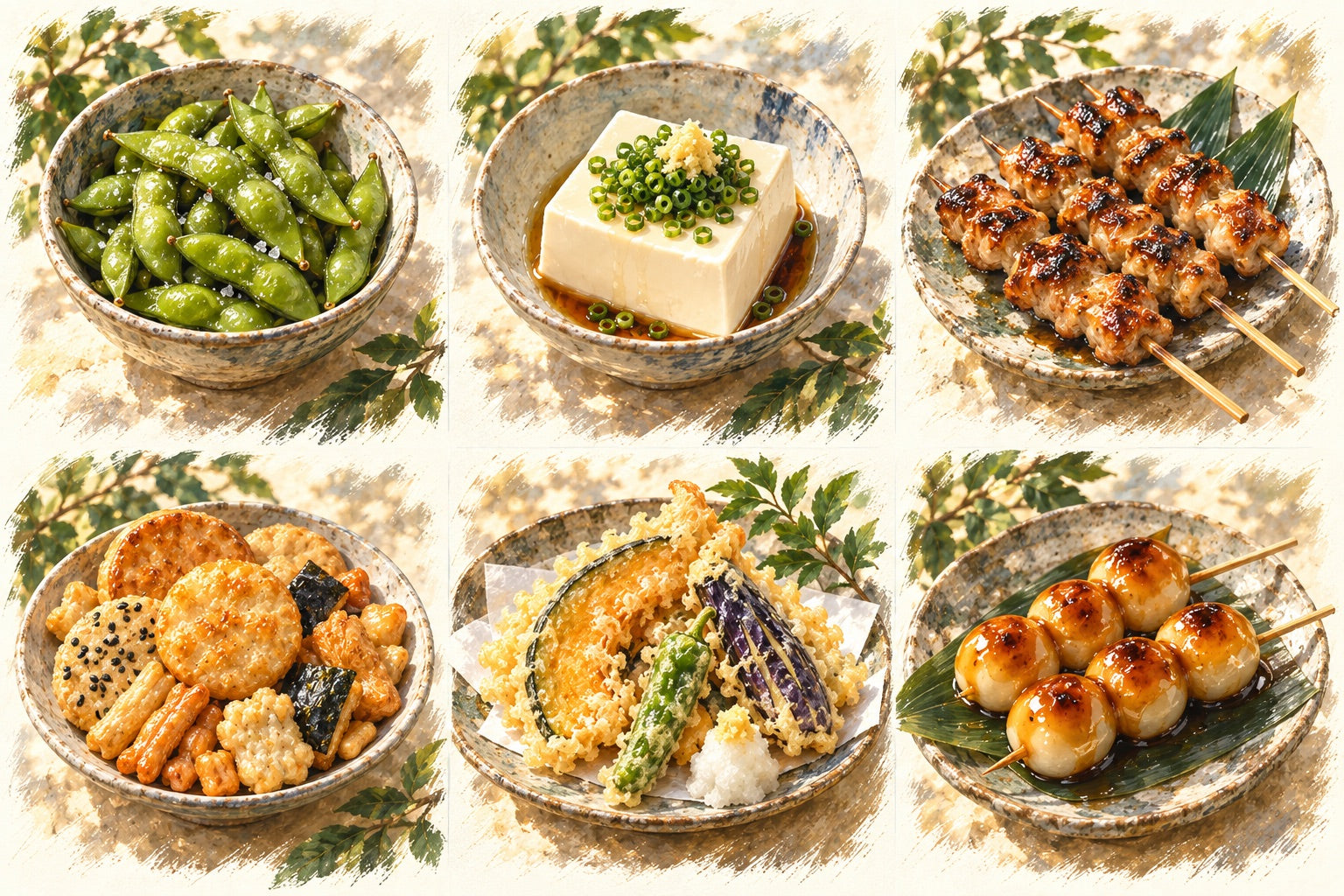
Japanese 6 ideas

Edamame

Frozen pods work well. Use a little salt so the beans keep their gentle sweetness.

Try it withHerbal liqueur with soda water

Try a lighter serving with green aromas and salt. Keep sharply acidic dressings modest at first.

Chilled silken tofu

Top soft tofu with spring onion and ginger; keep soy sauce light.

Try it withHerbal liqueur with soda water

Keep the gentle savoury flavours in focus. Sip a little and adjust the strength so the food stays distinct.

Yakitori chicken skewers

Ready-cooked skewers work too. Choose salt for a lighter bite or glaze for sweet, savoury char.

Try it withBitter-orange liqueur with soda water

Explore the food’s grilled or toasted notes alongside the drink’s aroma. Start with moderate char and salt.

Japanese rice crackers

Tip a packet into a bowl. Plain salted or soy-seasoned crackers make the toasted rice easy to taste.

Try it withBitter-orange liqueur with soda water

Explore the food’s grilled or toasted notes alongside the drink’s aroma. Start with moderate char and salt.

Vegetable tempura

Try pumpkin, aubergine and green pepper. Begin with salt rather than a heavy dipping sauce.

Try it withHerbal liqueur with soda water

Try a fresher serving against the rich coating and oil. Serve chilli sauce separately to make comparison easier.

Mitarashi dango

Skewered rice dumplings with a sweet soy glaze. Try one after dinner with a small pour.

Try it withA small pour of nut or coffee liqueur

A small after-dinner experiment: alternate a bite and a sip, checking that bitterness does not overwhelm the sweetness.

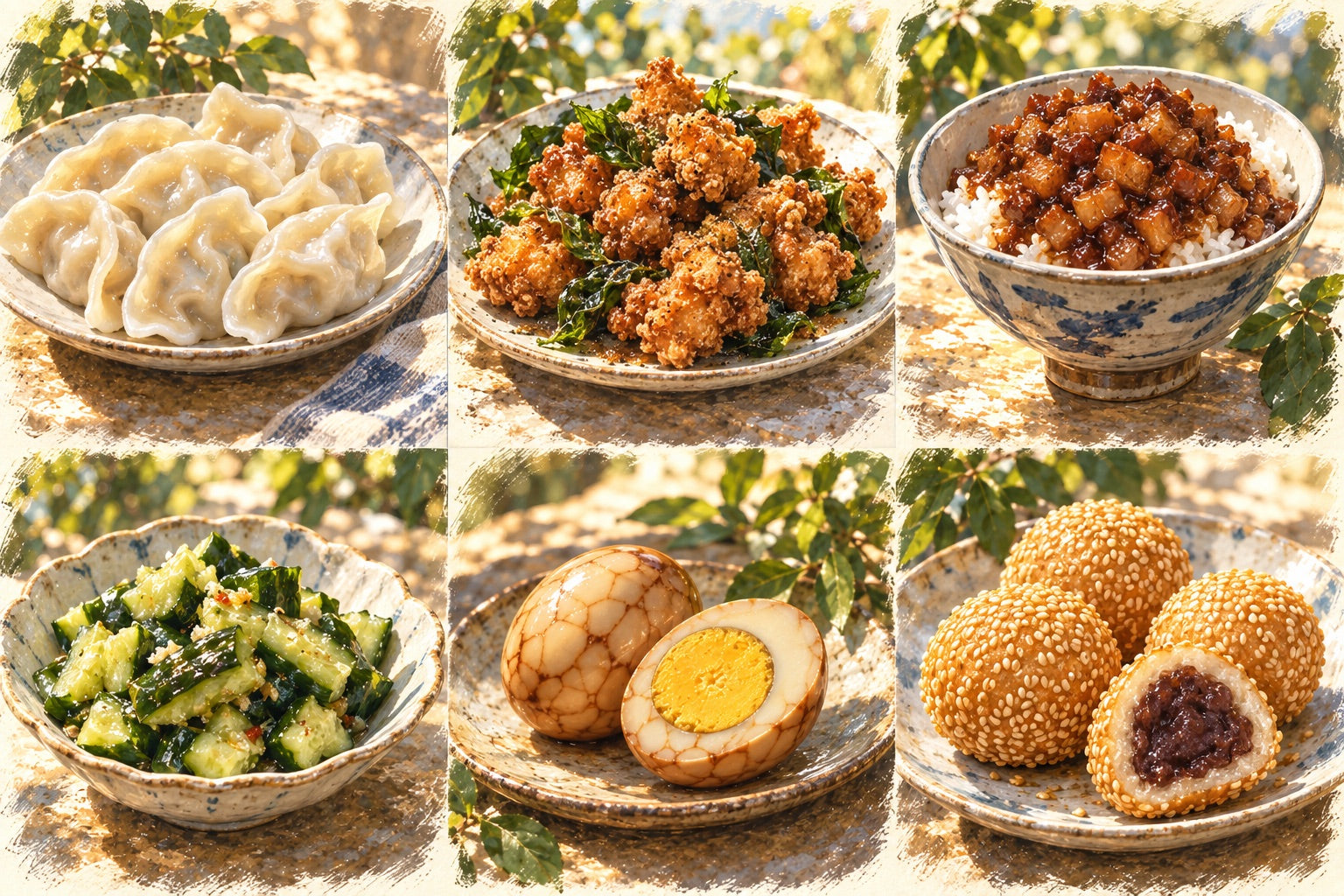
Chinese & Taiwanese 6 ideas

Boiled dumplings

Frozen dumplings are practical. Taste the wrapper and filling before adding vinegar or chilli oil.

Try it withHerbal liqueur with soda water

Keep the gentle savoury flavours in focus. Sip a little and adjust the strength so the food stays distinct.

Taiwanese popcorn chicken

Pepper and basil give this fried chicken its character. Plain popcorn chicken with pepper is an easy alternative.

Try it withHerbal liqueur with soda water

Try a fresher serving against the rich coating and oil. Serve chilli sauce separately to make comparison easier.

Lu rou fan: braised pork rice

Sweet-savoury braised pork over rice. Adjust the drink to the strength of the sauce and star anise.

Try it withBitter-orange liqueur with soda water

Taste a little of the aromatic drink alongside the dish’s richness and umami. Adjust temperature or dilution if it dominates.

Smashed cucumber

Dress crushed cucumber with a little salt and sesame oil; go easy on garlic and vinegar.

Try it withHerbal liqueur with soda water

Try a lighter serving with green aromas and salt. Keep sharply acidic dressings modest at first.

Tea eggs

Eggs simmered with tea and soy. A ready-made soy-marinated egg is an accessible alternative.

Try it withBitter-orange liqueur with soda water

Taste a little of the aromatic drink alongside the dish’s richness and umami. Adjust temperature or dilution if it dominates.

Sesame balls

Ready-made or frozen sesame-coated dumplings work well. Enjoy the sesame and sweet bean filling after dinner.

Try it withA small pour of nut or coffee liqueur

A small after-dinner experiment: alternate a bite and a sip, checking that bitterness does not overwhelm the sweetness.

Illustrations show serving ideas. Seasoning and the style of the drink will change the pairing.