Browse all categories

Six clues to your next glass

Explore aroma, texture and serving style to find what you enjoy.

ABV

37.5–50% typical

Check the bottle for its alcohol content. When mixing, consider both the measure and the mixer.

Sweetness

DrySweet

Sweet aroma is not sugar

Sweet aromas and sugar are different clues. Colour alone does not tell you sweetness.

Acidity

GentleBright

Usually not the leading feature

Distinguish acidity in the drink itself from acidity added by juice or mixers.

Aroma

Grape, flowers, oak

Ideas for describing aromas; illustrated ingredients are not present in every product.

Texture

LightFull

Vivid to rounded

A light finish or a rounded texture? Temperature and dilution can change the impression.

Serving

Small glass, small serving; add water if desired

Start with the producer’s serving advice, then adjust temperature or water a little at a time.

The bands show dimensions of taste, not scores or positions for individual products.

THE DETAILS

Understand the styles

The grape’s story continues after wine

Grappa is Italy’s grape-pomace spirit, made from the skins and other solids left by winemaking. Rooted in agricultural life, it developed into a category in which careful raw-material handling and distillation reveal considerable aromatic detail. Pomace does not mean material with no flavour left. Grape skins retain varietal character and fermentation aromas; the distiller’s task is to preserve and interpret them.

Pomace spirit is not wine brandy

Wine brandy is distilled from wine, whereas grappa is distilled from fermented grape pomace. Freshness, still design and the selection of the distillate all influence the result. A single-variety grappa can offer an interesting comparison with a wine made from that grape, but it will not simply taste like a stronger version of the wine. Skins and distillation create their own expression.

Clear and cask-aged styles

Styles with little wood influence can show floral, fruity or herbal detail. Cask maturation may add spice, toasted notes and a different texture. Neither colour nor the presence of oak provides a quality ranking. Begin with a small pour, avoid excessive chilling and approach the rim gently rather than inhaling deeply. A little time in the glass can make the aromas easier to distinguish from the alcoholic intensity.

A place after the meal

Grappa is associated with the Italian after-dinner table and can also appear in caffè corretto, espresso with a little spirit added. Alternatively, keep the coffee and grappa separate and compare their aromas alongside a lightly sweetened biscuit. The traditional term digestif describes a cultural role, not a promised digestive benefit. Treat the small glass as an opportunity to explore aroma and finish, not as something that must be swallowed in one go.

Further reading: Poli Grappa Museum · History · Poli Grappa Museum · FAQ

Q-NaQ-Na

Cask maturation and cask strength

JoanneJoanne

Wood influences aroma, colour and texture. Cask strength generally means bottling at or close to the strength out of the cask. Check the actual ABV.

Q-NaQ-Na

Grappa begins where wine is finished

Grappa is not distilled from wine. It is distilled from what is left after the wine is pressed: the skins, the seeds and sometimes the stems. It started as a farmer’s way of turning the leftovers into something worth drinking. There is very little juice clinging to that pomace, so it takes effort to gather and it spoils quickly, which is why it goes to the still as soon as the press is done. The name is protected too: only grappa made in Italy may be called grappa. Other countries do the same thing under other names: marc in France, orujo in Spain.

Q-NaQ-Na

Ordering a coffee that has been corrected

In bars in northern Italy, an espresso with a splash of grappa is a caffe corretto: a corrected coffee. What exactly is being corrected depends on who you ask, but it is a normal way to warm up on a cold morning. Sambuca or brandy are sometimes used instead. There is also a follow-up version: pour a little grappa into the empty cup and drink it along with whatever coffee is left clinging to the bottom. That one is called a resentin. On a winter morning at a stand-up bar, most people finish theirs in well under a minute.

Q-NaQ-Na

There is a branch in the bottle

Some grappa has plants steeped in it after distillation. A single sprig of rue left whole in the bottle, gentian root, a bundle of alpine herbs, juniper berries. These grew out of the herbal-liqueur tradition and sit alongside the habit of drinking a small glass after a meal. The plant stays in the bottle, so the colour deepens and the aroma builds over time. What is settled at the bottom is not decoration; it is the flavour itself. Others are made with honey, or with blueberries or plums steeped in the spirit, and how sweet they finish varies by producer. Read the plant names on the label and you start to see what grows in that part of the country. Once opened, finishing it before too long keeps the aromas clear.

AT THE TABLE

Start with the food.

Six Japanese, six Western and six Chinese or Taiwanese ideas: everyday meals, ready-to-serve snacks and a few sweet surprises. Choose the food, then explore a serving style.

Start with supermarket cheese, plain crisps or roast chicken. Frozen edamame and dumplings are practical introductions to the Japanese and Chinese dishes; a tea egg or glazed rice dumpling adds something less expected.

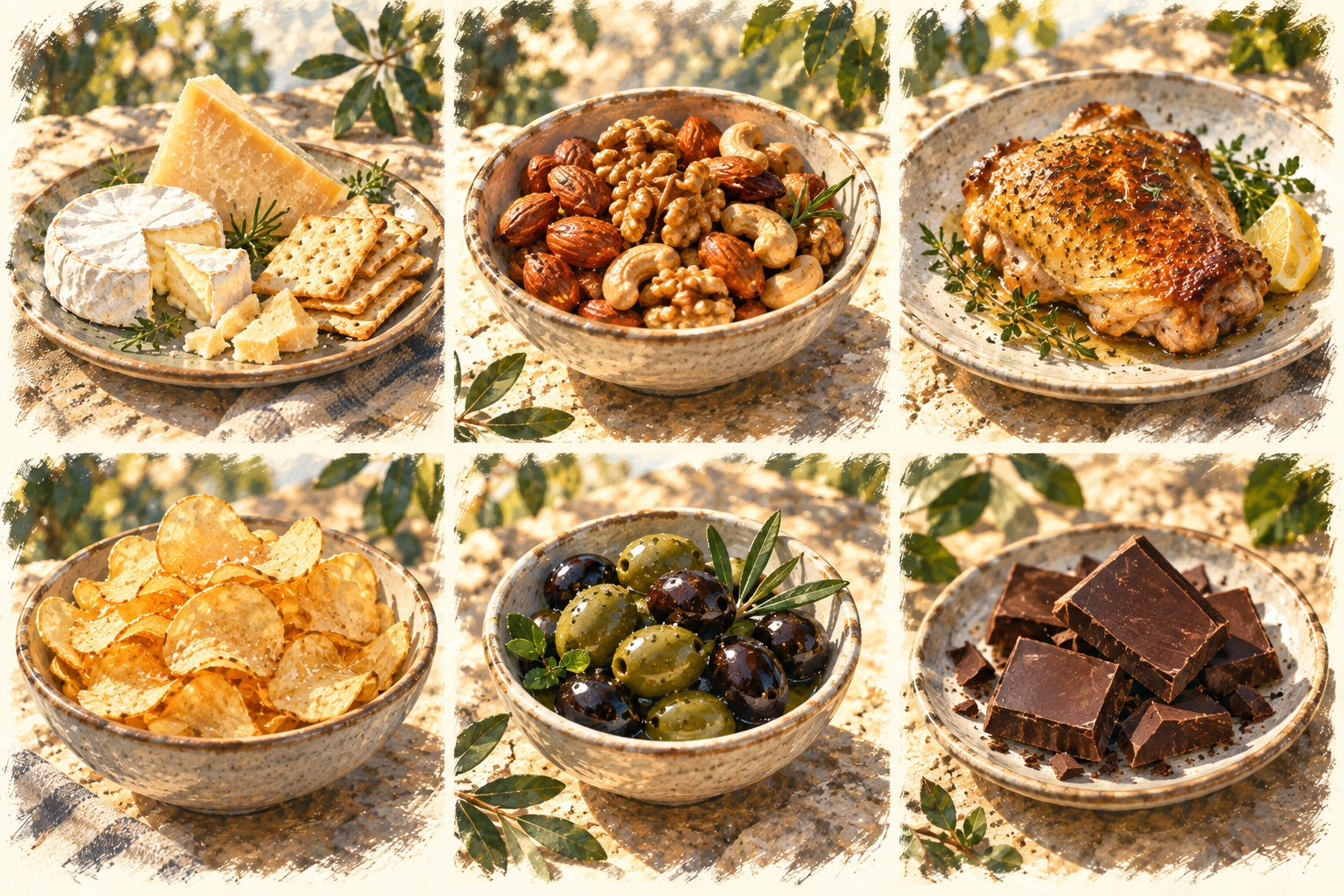
Western food & easy snacks 6 ideas

Cheese board

A local mild hard cheese or soft white cheese is a useful start; compare stronger cheeses later.

Try it withAged grappa with a few drops of water

Taste a little of the aromatic drink alongside the dish’s richness and umami. Adjust temperature or dilution if it dominates.

Roasted mixed nuts

Start with unsalted almonds and walnuts, focusing on the roast rather than flavoured coatings.

Try it withAged grappa with a few drops of water

Explore the food’s grilled or toasted notes alongside the drink’s aroma. Start with moderate char and salt.

Herb roast chicken

A supermarket roast is fine. Let the herbs and browned skin lead, with sauce on the side.

Try it withAged grappa with a few drops of water

Explore the food’s grilled or toasted notes alongside the drink’s aroma. Start with moderate char and salt.

Plain potato crisps

Choose lightly salted chips or crisps. Strong flavour powders can hide the potato's toasted flavour.

Try it withUnaged grappa with soda water

Try a fresher serving against the rich coating and oil. Serve chilli sauce separately to make comparison easier.

Olives

Jarred or deli olives are easy to serve. Drain the brine and taste a few at a time.

Try it withUnaged grappa with soda water

Try a lighter serving with green aromas and salt. Keep sharply acidic dressings modest at first.

Dark chocolate

A bar or individually wrapped pieces both work. Begin with cocoa that is not intensely bitter.

Try it withA small pour of aged grappa

A small after-dinner experiment: alternate a bite and a sip, checking that bitterness does not overwhelm the sweetness.

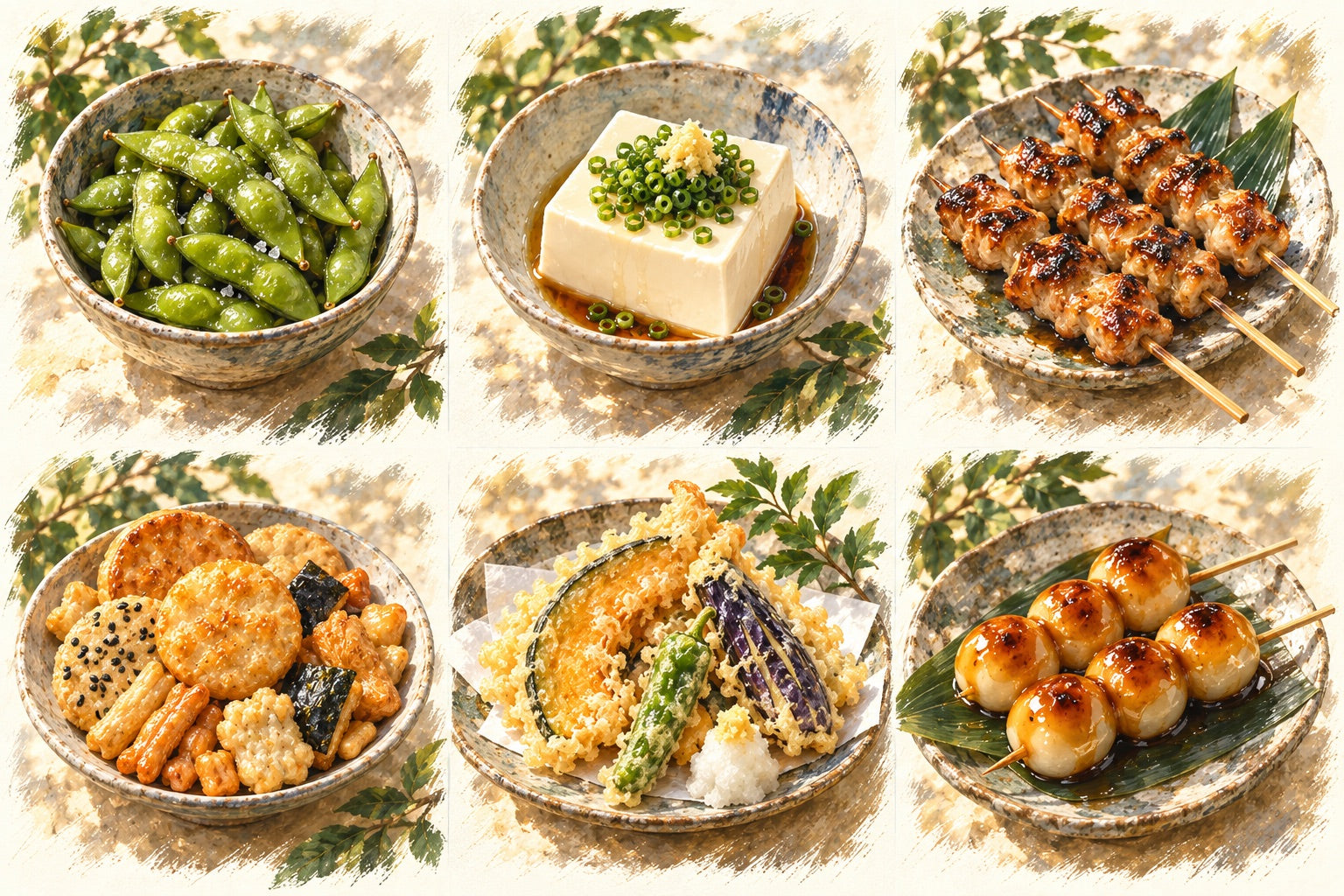
Japanese 6 ideas

Edamame

Frozen pods work well. Use a little salt so the beans keep their gentle sweetness.

Try it withUnaged grappa with soda water

Try a lighter serving with green aromas and salt. Keep sharply acidic dressings modest at first.

Chilled silken tofu

Top soft tofu with spring onion and ginger; keep soy sauce light.

Try it withUnaged grappa with soda water

Keep the gentle savoury flavours in focus. Sip a little and adjust the strength so the food stays distinct.

Yakitori chicken skewers

Ready-cooked skewers work too. Choose salt for a lighter bite or glaze for sweet, savoury char.

Try it withAged grappa with a few drops of water

Explore the food’s grilled or toasted notes alongside the drink’s aroma. Start with moderate char and salt.

Japanese rice crackers

Tip a packet into a bowl. Plain salted or soy-seasoned crackers make the toasted rice easy to taste.

Try it withAged grappa with a few drops of water

Explore the food’s grilled or toasted notes alongside the drink’s aroma. Start with moderate char and salt.

Vegetable tempura

Try pumpkin, aubergine and green pepper. Begin with salt rather than a heavy dipping sauce.

Try it withUnaged grappa with soda water

Try a fresher serving against the rich coating and oil. Serve chilli sauce separately to make comparison easier.

Mitarashi dango

Skewered rice dumplings with a sweet soy glaze. Try one after dinner with a small pour.

Try it withA small pour of aged grappa

A small after-dinner experiment: alternate a bite and a sip, checking that bitterness does not overwhelm the sweetness.

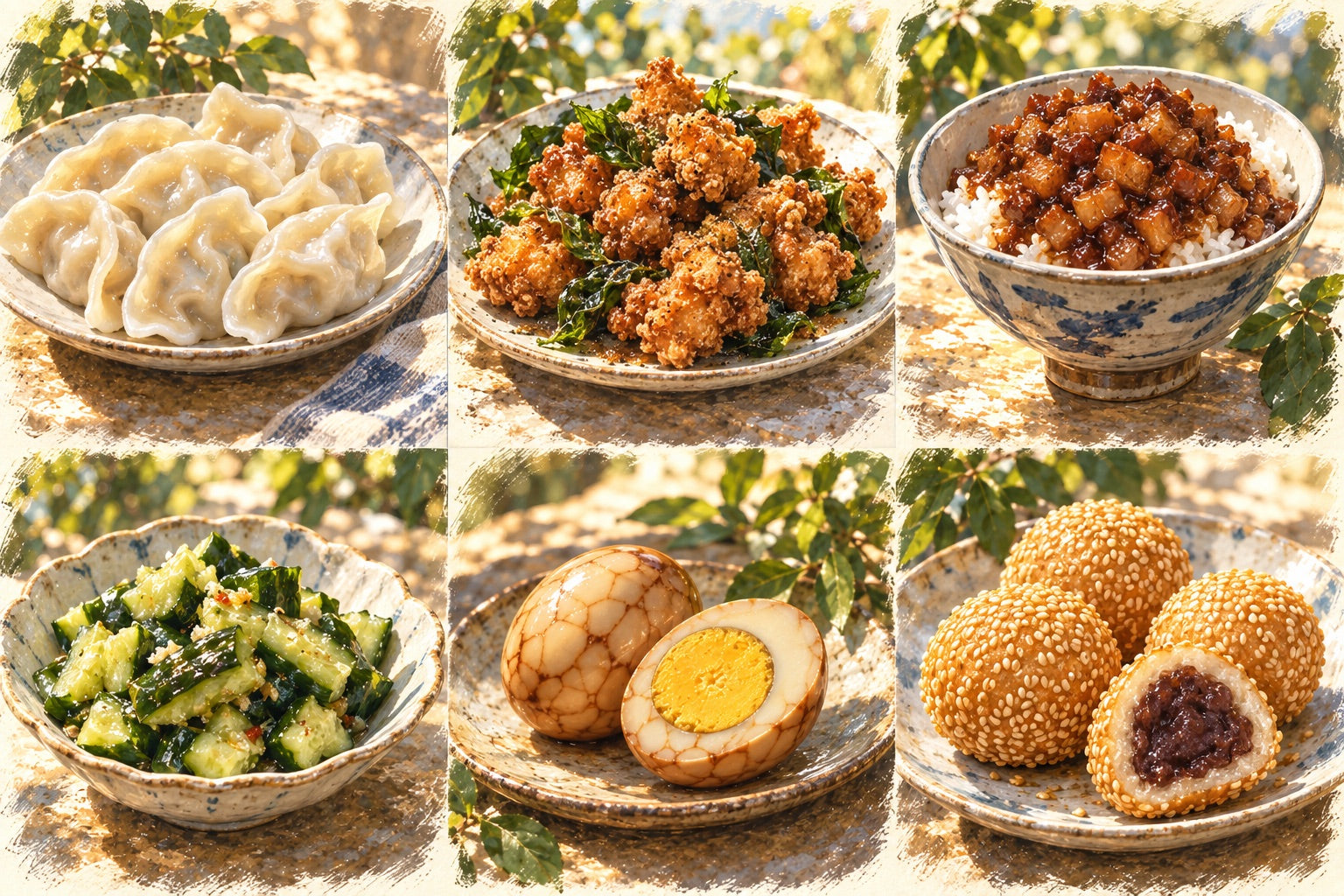
Chinese & Taiwanese 6 ideas

Boiled dumplings

Frozen dumplings are practical. Taste the wrapper and filling before adding vinegar or chilli oil.

Try it withUnaged grappa with soda water

Keep the gentle savoury flavours in focus. Sip a little and adjust the strength so the food stays distinct.

Taiwanese popcorn chicken

Pepper and basil give this fried chicken its character. Plain popcorn chicken with pepper is an easy alternative.

Try it withUnaged grappa with soda water

Try a fresher serving against the rich coating and oil. Serve chilli sauce separately to make comparison easier.

Lu rou fan: braised pork rice

Sweet-savoury braised pork over rice. Adjust the drink to the strength of the sauce and star anise.

Try it withAged grappa with a few drops of water

Taste a little of the aromatic drink alongside the dish’s richness and umami. Adjust temperature or dilution if it dominates.

Smashed cucumber

Dress crushed cucumber with a little salt and sesame oil; go easy on garlic and vinegar.

Try it withUnaged grappa with soda water

Try a lighter serving with green aromas and salt. Keep sharply acidic dressings modest at first.

Tea eggs

Eggs simmered with tea and soy. A ready-made soy-marinated egg is an accessible alternative.

Try it withAged grappa with a few drops of water

Taste a little of the aromatic drink alongside the dish’s richness and umami. Adjust temperature or dilution if it dominates.

Sesame balls

Ready-made or frozen sesame-coated dumplings work well. Enjoy the sesame and sweet bean filling after dinner.

Try it withA small pour of aged grappa

A small after-dinner experiment: alternate a bite and a sip, checking that bitterness does not overwhelm the sweetness.

Illustrations show serving ideas. Seasoning and the style of the drink will change the pairing.