ABV
Varies by product; check the label
Check the bottle for its alcohol content. When mixing, consider both the measure and the mixer.

DRINKS JOURNAL
Mead is made by diluting honey with water and fermenting it with yeast. It is a fermented drink rather than a distilled one, and Japan's liquor tax law classes it under other fermented liquors. It is one of the older things people have made, and versions of the same idea survive around the world.
Related bottle in this familyBee Buzz 微醺蜜月 蜂蜜酒 700mlAsk about this bottle →Explore aroma, texture and serving style to find what you enjoy.
Varies by product; check the label
Check the bottle for its alcohol content. When mixing, consider both the measure and the mixer.
Dry to sweet
Sweet aromas and sugar are different clues. Colour alone does not tell you sweetness.
Depends on the drink and its mixers
Distinguish acidity in the drink itself from acidity added by juice or mixers.
Honey, flowers, fruit
Ideas for describing aromas; illustrated ingredients are not present in every product.
Light — Full
A light finish or a rounded texture? Temperature and dilution can change the impression.
Chilled or at room temperature, by style
Start with the producer’s serving advice, then adjust temperature or water a little at a time.
The bands show dimensions of taste, not scores or positions for individual products.
THE DETAILS
Mead ferments honey diluted with water, but honey has also appeared in mixed fermented drinks. Research on roughly 9,000-year-old pottery from Jiahu in China identified evidence of a beverage combining rice, honey and fruit. That is not the same as proving the existence of a modern honey-only mead. The useful historical thread is the variety of ways people turned locally available sugars into drinks.
Yeast converts sugar into alcohol, allowing mead to range from dry to richly sweet. The honey’s floral source, fermentation choices and remaining sugar all matter. Fruit, spices and carbonation add further possibilities. A spirit sweetened with honey is a honey liqueur, not automatically mead: look for how the drink was made rather than relying on the ingredient named on the front label.
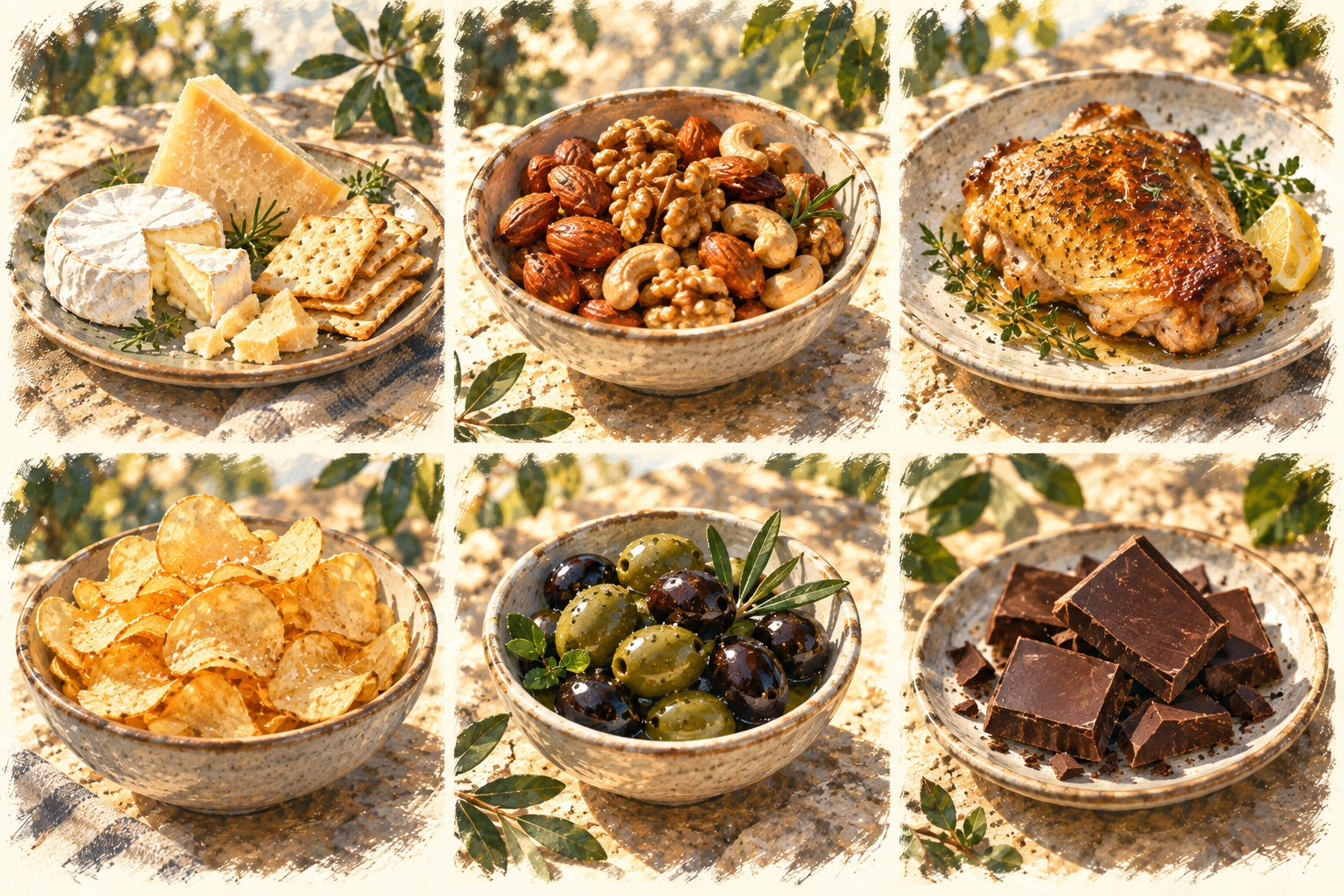
A light dry style can suit vegetables or white meat; fruit acidity offers another route towards cheese, while richer sweet styles invite nuts and baked desserts. These are starting points rather than rules. Check strength, sweetness and carbonation before choosing a serving size. Compare a small pour chilled and slightly warmer to see how the floral aroma develops.
Further reading: Penn Museum · Jiahu research
 Q-Na
Q-Na Joanne
Chilled, in a wine glass, the aroma comes out. Sweet styles go with cheese and nuts, dry styles with chicken and vegetable dishes. WAIN99 carries Bee Buzz, made by Legend Brewery in Taiwan, which shows how directly the choice of honey carries into the taste.
Q-NaMead is often called the oldest drink in the world. That cannot be proved, but there is a reason people say it. It needs no vineyard and no grain processing: if honey is diluted by rainwater, wild yeast in the air can start it fermenting on its own. So it may well have appeared by accident long before anyone knew how to make drinks on purpose. With honey to hand, you barely need equipment. Who made the first one is unknown, but it was certainly the easiest one to stumble into. We do not know, though, whether the honey drinks in old records were made the way they are today.
Q-NaMead is close to just honey, water and yeast, so whichever flower the bees worked ends up being the flavour. Acacia honey is pale in colour and taste and finishes clean. Buckwheat honey is dark, with a strong molasses and earthy note. Citrus blossom is light and fresh; chestnut blossom leaves a touch of bitterness. The direction is largely set at the honey stage, and what the maker adjusts after that is mainly how far it ferments and how it rests. When comparing bottles, start by reading the flower. Heat drives the aroma out of honey, so makers watch the temperature carefully when they start.
Q-NaYou often hear that newlyweds drank mead for their first month together, and that this is where the word honeymoon comes from. It is a story told in several places rather than something settled, and there are other explanations for the word. What the records and tales do show is that mead was long treated as a drink for celebrations. Whatever the truth about the name, it is still one of the bottles people reach for when they want to give something. If you are giving a bottle, a smaller one that is easy to finish asks less of the person receiving it.
Q-NaIt is made from honey, so people expect it to be sweet, and it often is not. Let the yeast eat through all the sugar and you get a dry mead with almost no sweetness left. Stop the fermentation partway and the remaining sugar makes it sweet. The same honey can give a dry version, a sweet version, or a sparkling one. Dry meads sit at the table much like a white wine; sweet ones suit a small glass after a meal. Check the label for dry or sweet and there will be fewer surprises. Some are fermented together with fruit or spices, and those styles go by names of their own.
AT THE TABLE
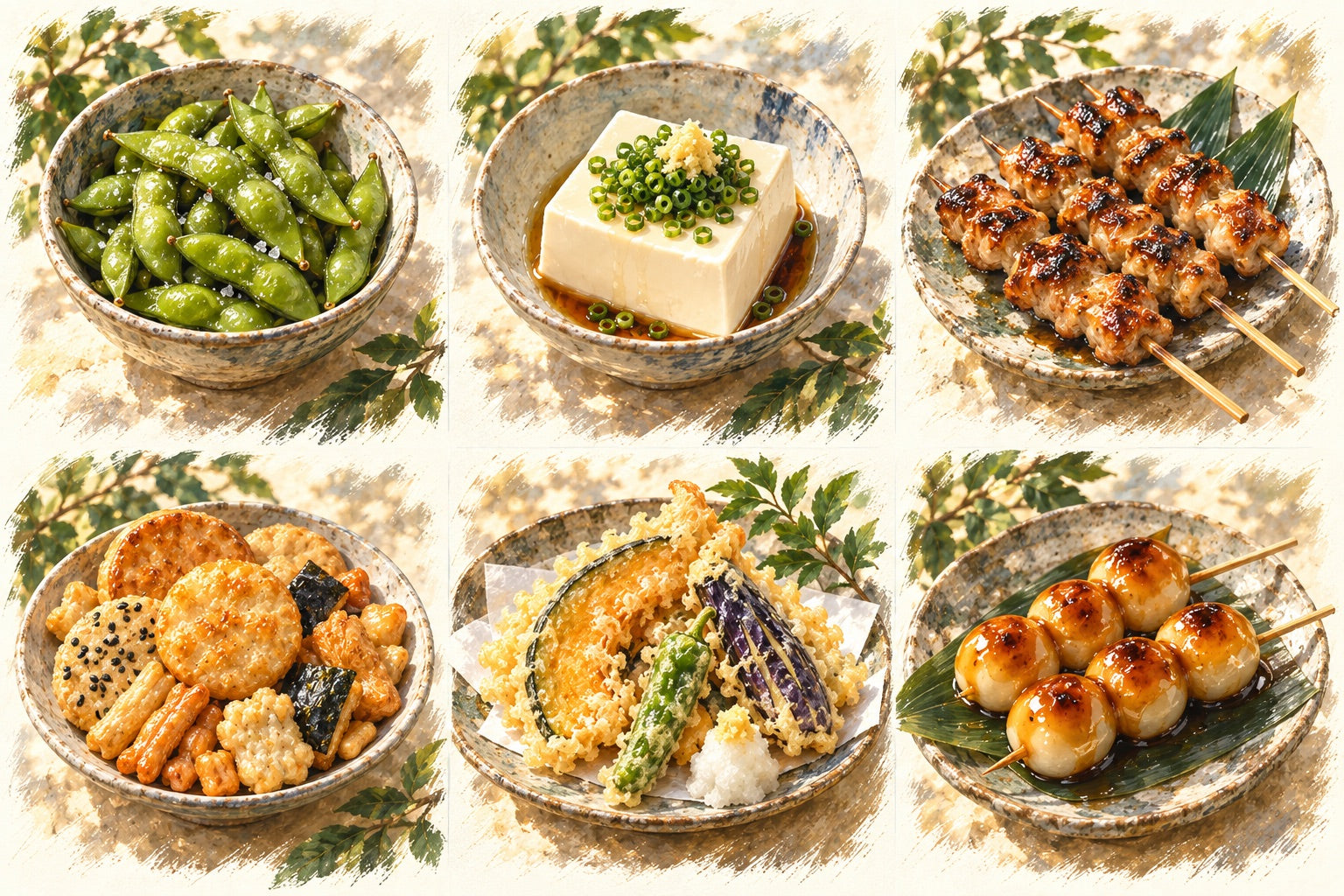
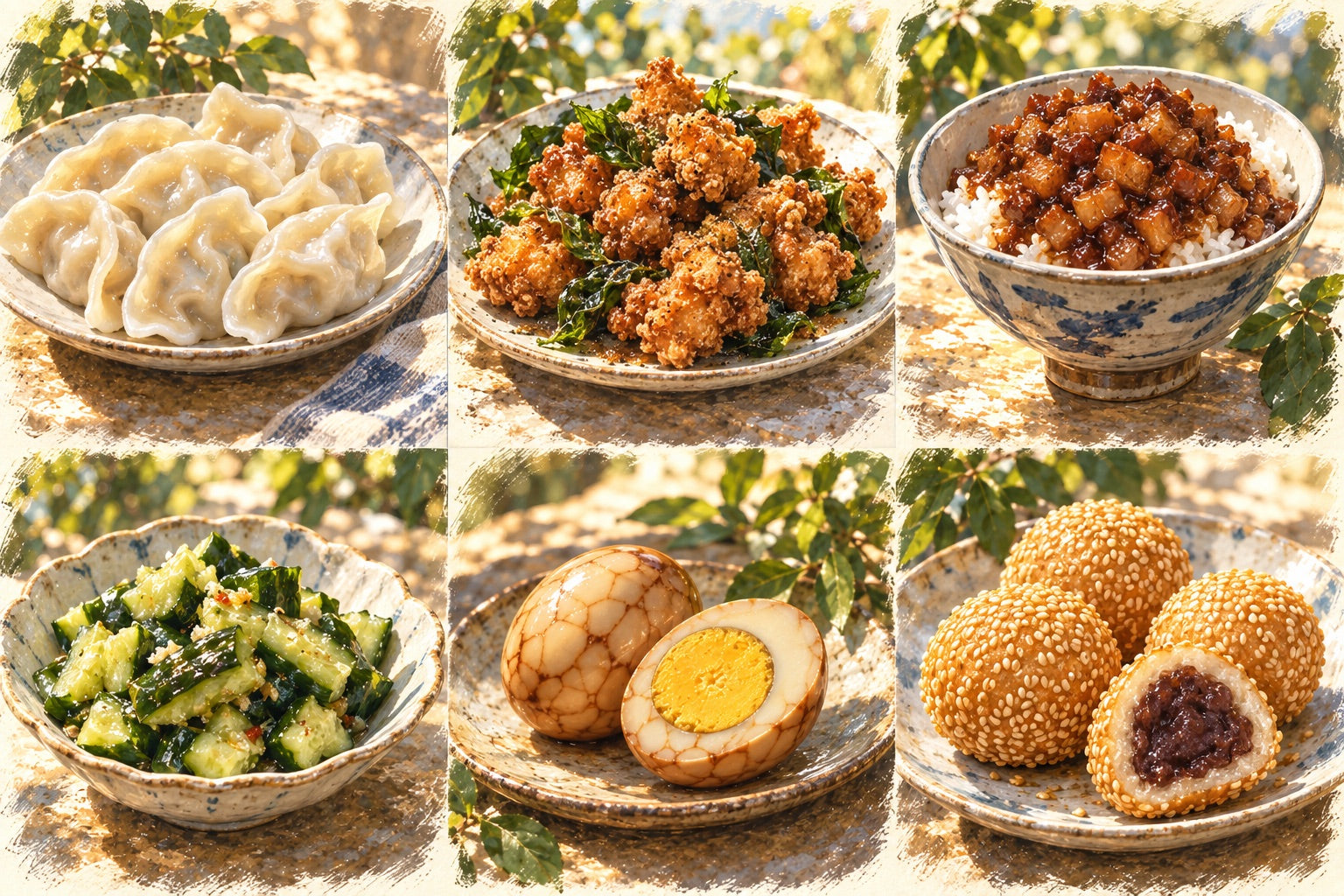
Six Japanese, six Western and six Chinese or Taiwanese ideas: everyday meals, ready-to-serve snacks and a few sweet surprises. Choose the food, then explore a serving style.
Start with supermarket cheese, plain crisps or roast chicken. Frozen edamame and dumplings are practical introductions to the Japanese and Chinese dishes; a tea egg or glazed rice dumpling adds something less expected.
A local mild hard cheese or soft white cheese is a useful start; compare stronger cheeses later.
Try it withSemi-sweet mead
Taste a little of the aromatic drink alongside the dish’s richness and umami. Adjust temperature or dilution if it dominates.
Start with unsalted almonds and walnuts, focusing on the roast rather than flavoured coatings.
Try it withSemi-sweet mead
Explore the food’s grilled or toasted notes alongside the drink’s aroma. Start with moderate char and salt.
A supermarket roast is fine. Let the herbs and browned skin lead, with sauce on the side.
Try it withSemi-sweet mead
Explore the food’s grilled or toasted notes alongside the drink’s aroma. Start with moderate char and salt.
Choose lightly salted chips or crisps. Strong flavour powders can hide the potato's toasted flavour.
Try it withChilled dry mead
Try a fresher serving against the rich coating and oil. Serve chilli sauce separately to make comparison easier.
Jarred or deli olives are easy to serve. Drain the brine and taste a few at a time.
Try it withChilled dry mead
Try a lighter serving with green aromas and salt. Keep sharply acidic dressings modest at first.
A bar or individually wrapped pieces both work. Begin with cocoa that is not intensely bitter.
Try it withA small pour of sweet mead
A small after-dinner experiment: alternate a bite and a sip, checking that bitterness does not overwhelm the sweetness.
Frozen pods work well. Use a little salt so the beans keep their gentle sweetness.
Try it withChilled dry mead
Try a lighter serving with green aromas and salt. Keep sharply acidic dressings modest at first.
Top soft tofu with spring onion and ginger; keep soy sauce light.
Try it withChilled dry mead
Keep the gentle savoury flavours in focus. Sip a little and adjust the strength so the food stays distinct.
Ready-cooked skewers work too. Choose salt for a lighter bite or glaze for sweet, savoury char.
Try it withSemi-sweet mead
Explore the food’s grilled or toasted notes alongside the drink’s aroma. Start with moderate char and salt.
Tip a packet into a bowl. Plain salted or soy-seasoned crackers make the toasted rice easy to taste.
Try it withSemi-sweet mead
Explore the food’s grilled or toasted notes alongside the drink’s aroma. Start with moderate char and salt.
Try pumpkin, aubergine and green pepper. Begin with salt rather than a heavy dipping sauce.
Try it withChilled dry mead
Try a fresher serving against the rich coating and oil. Serve chilli sauce separately to make comparison easier.
Skewered rice dumplings with a sweet soy glaze. Try one after dinner with a small pour.
Try it withA small pour of sweet mead
A small after-dinner experiment: alternate a bite and a sip, checking that bitterness does not overwhelm the sweetness.
Frozen dumplings are practical. Taste the wrapper and filling before adding vinegar or chilli oil.
Try it withChilled dry mead
Keep the gentle savoury flavours in focus. Sip a little and adjust the strength so the food stays distinct.
Pepper and basil give this fried chicken its character. Plain popcorn chicken with pepper is an easy alternative.
Try it withChilled dry mead
Try a fresher serving against the rich coating and oil. Serve chilli sauce separately to make comparison easier.
Sweet-savoury braised pork over rice. Adjust the drink to the strength of the sauce and star anise.
Try it withSemi-sweet mead
Taste a little of the aromatic drink alongside the dish’s richness and umami. Adjust temperature or dilution if it dominates.
Dress crushed cucumber with a little salt and sesame oil; go easy on garlic and vinegar.
Try it withChilled dry mead
Try a lighter serving with green aromas and salt. Keep sharply acidic dressings modest at first.
Eggs simmered with tea and soy. A ready-made soy-marinated egg is an accessible alternative.
Try it withSemi-sweet mead
Taste a little of the aromatic drink alongside the dish’s richness and umami. Adjust temperature or dilution if it dominates.
Ready-made or frozen sesame-coated dumplings work well. Enjoy the sesame and sweet bean filling after dinner.
Try it withA small pour of sweet mead
A small after-dinner experiment: alternate a bite and a sip, checking that bitterness does not overwhelm the sweetness.
Illustrations show serving ideas. Seasoning and the style of the drink will change the pairing.