Browse all categories
07 / WHISKY

Whisky

Q-NaQ-Na

Oak, malt and smoke… rather a busy gathering in one glass.

JoanneJoanne

Grain fermentation, distillation and wood maturation. Single malt refers to one distillery; single cask to one cask. Peat smoke and sweet oak aromas are separate dimensions.

Reading sweetness
Sweet oak aromas are distinct from sugar
A way to start
Try a little water or a highball
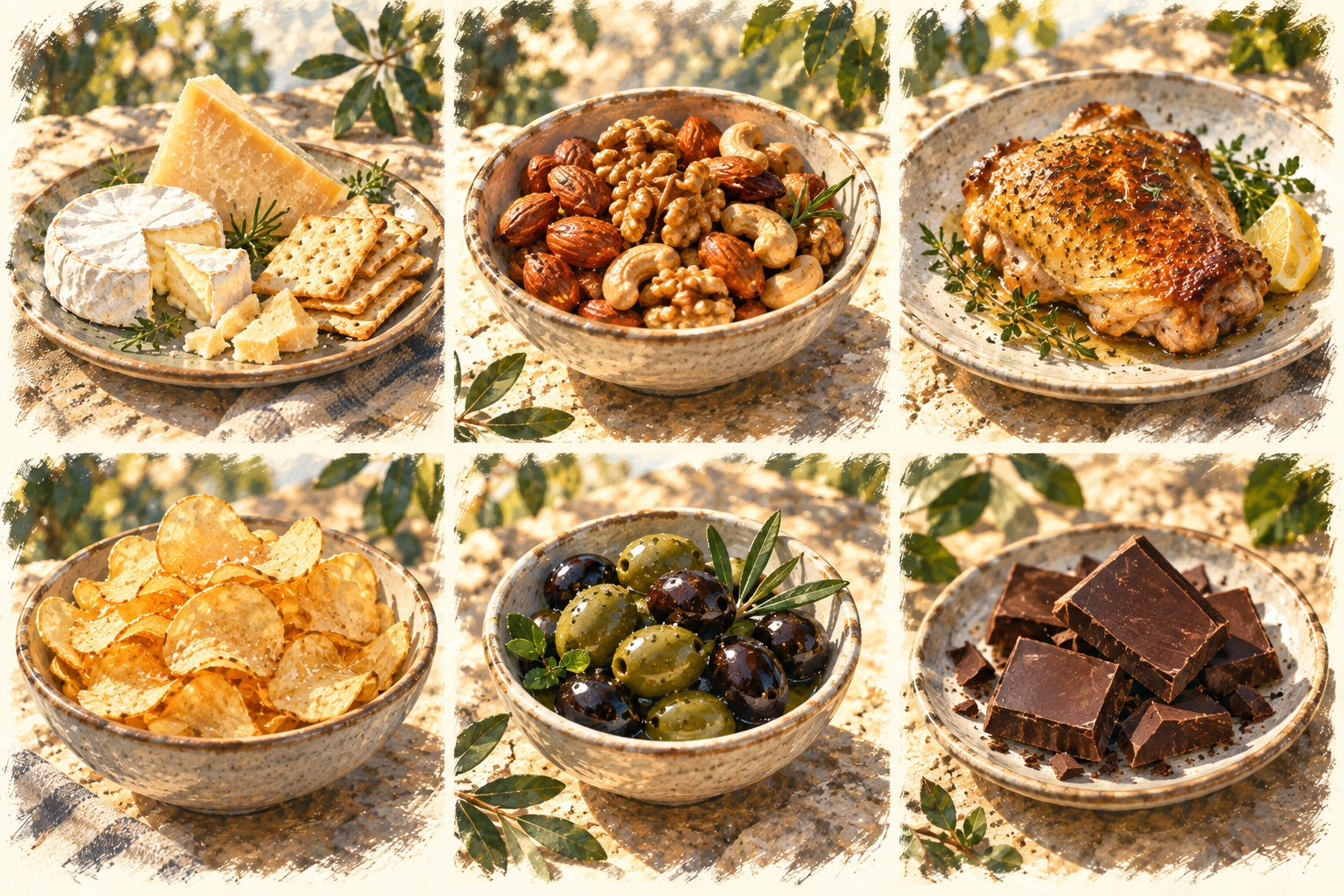
Six clues to your next glass

Explore aroma, texture and serving style to find what you enjoy.

ABV

Around 40–60%; cask strength varies

Check the bottle for its alcohol content. When mixing, consider both the measure and the mixer.

Sweetness

DrySweet

Sweet oak aroma is not sugar

Sweet aromas and sugar are different clues. Colour alone does not tell you sweetness.

Acidity

GentleBright

Usually not the leading feature

Distinguish acidity in the drink itself from acidity added by juice or mixers.

Aroma

Grain, oak, fruit, smoke

Ideas for describing aromas; illustrated ingredients are not present in every product.

Texture

LightFull

Light to full

A light finish or a rounded texture? Temperature and dilution can change the impression.

Serving

Adjust intensity with water or a highball

Start with the producer’s serving advice, then adjust temperature or water a little at a time.

The bands show dimensions of taste, not scores or positions for individual products.

THE DETAILS

Understand the styles

An old record, not a single birthday

Scottish accounts from 1494 record malt supplied for making aqua vitae, an important reference in whisky history. They do not prove a precise worldwide invention date. Distilling equipment, taxation, cask storage and blending subsequently helped shape the industry. Whisky now has distinctive traditions in Ireland, the United States, Japan, Taiwan and beyond. Country names are useful context, but individual production choices still deserve attention.

Flavour begins before the cask

Grains are mashed, fermented and distilled before the spirit matures in wood. Fermentation and distillation establish a foundation that cask type, previous contents and storage conditions then modify. Oak is influential, but it is not the only source of character. Peat smoke is another optional part of the picture, rather than something present in every whisky. Warmer and cooler maturation environments differ, without providing a simple formula for converting years from one country into another.

Single malt and blended are styles

In Scotch whisky, single malt comes from one distillery and is made from malted barley. Blending brings different spirits together to achieve a chosen profile. Neither the word single nor a high age statement guarantees that a bottle will suit you better. Blending involves its own considerable skill. Begin by identifying whether you enjoy fruit, cereal, oak spice or smoke, then use the label to understand those preferences.

Try a little water

Taste a small amount, add a few drops of water and revisit the aroma. At the table, a highball can offer a lighter presentation alongside grilled or fried food. Dark colour is not a dependable measure of intensity, and age is not a substitute for balance. Keep glasses and measures consistent when comparing bottles, and take your time: tasting is about noticing differences, not finishing every sample.

Further reading: SWA · Story of Scotch · SWA · Whisky categories

Q-NaQ-Na

Cask maturation and cask strength

JoanneJoanne

Wood influences aroma, colour and texture. Cask strength generally means bottling at or close to the strength out of the cask. Check the actual ABV.

Q-NaQ-Na

A bourbon rule keeps the world in casks

Most of a whisky’s colour and aroma comes from the cask. The two you meet most often are ex-bourbon and ex-sherry. US rules require bourbon to be aged in new charred oak, so once-used barrels pile up and travel to distilleries all over the world. Ex-bourbon casks tend to give vanilla and honey notes; ex-sherry casks give something darker, closer to raisin and nuts. In Japan, mizunara oak is also used, and it is often described as giving a sandalwood-like scent. The same spirit in a different cask becomes a different whisky, which makes cask comparisons an easy way in.

Q-NaQ-Na

The “single” in single malt is not one cask

The “single” in single malt means a single distillery, not a single cask. What is in the bottle is usually dozens of casks from that one distillery, married together to hit a house style. A bottling from one cask alone is labelled single cask, which is a different thing. Blended whisky combines malt from several distilleries with grain whisky made from corn or other cereals; the grain rounds off the stronger malts, which makes the whisky easy to drink and easier to price. Neither style outranks the other.

Q-NaQ-Na

A few drops of water change what you smell

At high strength, the alcohol hits your nose first and hides what is behind it. Adding a few drops of water lowers the strength, softens that hit, and lets the fruit and cereal notes come through. That small jug of water in a bar, separate from the chaser, is there for exactly this. Too much water and the flavour goes thin and vague, so add a few drops, smell it, then decide whether to add more. Ice does something similar, but the cold also keeps the aroma from coming out.

Q-NaQ-Na

A highball is won or lost on how much you stir

Making a highball at home is mostly about order. Fill the glass to the top with ice, stir once to chill the glass, then pour off the melt water. Add the whisky and stir once more, just enough to chill the spirit. Pour in well-chilled soda down the side of the glass rather than onto the ice. Finish by sliding a bar spoon to the bottom and lifting it once. Every extra stir costs you bubbles, so keep it to one. Warm soda undoes all of the above. If you want lemon, one twist of peel at the end to drop a little oil in is plenty.

Q-NaQ-Na

A little vanishes every year

A cask is wood, so it never seals completely and some of the whisky evaporates. That loss is called the angels’ share. In Scotland it is usually put at around 2% a year, which means close to a fifth is gone after ten years. In hot, dry places it goes faster. What stays behind takes up more of what the wood has to give, and the flavour deepens. Long-aged whisky costs what it costs partly because of the time, and partly because you are paying for what disappeared. Step into a warehouse and the air itself smells sweet: that is the missing whisky, out in the room.

04 / The five whisky countries

The five whisky countries

Same word, different drink, depending on where it was made.

The five whisky countries, and Taiwan in recent years

Select a region to read more. Markers indicate representative locations.

Map data: Natural Earth · Public domain

Scotland

Q-NaQ-Na

There is malt whisky, made only from malted barley, and grain whisky, distilled continuously from other cereals; blends of the two make up most production. By law, Scotch must be distilled in Scotland and matured there for at least three years in oak casks of 700 litres or less. Beyond regional character, cask type and the use of peat do most of the work on flavour.

JoanneJoanne

Islay、Speyside、Highland、Lowland、Campbeltown

Ireland

Q-NaQ-Na

The general impression is smooth, with cereal sweetness and ripe fruit. Irish whiskey is a protected geographical indication, and its technical file requires at least three years of maturation on the island of Ireland. Few distilleries use peat, so smoke is not the leading note.

JoanneJoanne

Single pot still、Triple distillation

United States

Q-NaQ-Na

New charred oak gives clear vanilla, caramel and toasted wood. Federal rules set bourbon at a minimum 51% corn, distilled at no more than 80% alcohol by volume and entered into the cask at no more than 62.5%. Kentucky and Tennessee are the centre, though small distilleries have multiplied across other states.

JoanneJoanne

Bourbon、Rye、Tennessee

Canada

Q-NaQ-Na

The overall impression is light and smooth, with a spicy note alongside soft sweetness. Federal regulations require mashing, fermenting and distilling in Canada, and at least three years in small wood of 700 litres or less, in Canada. Distilling each grain separately before blending gives makers a wide range to work with.

JoanneJoanne

The 'rye' habit、Separate distillates

Japan

Q-NaQ-Na

Japanese whisky started from Scottish practice and developed its own character through cask selection and climate. Whisky is defined in the liquor tax law, and since 2021 an industry body has operated a voluntary labelling standard for the term 'Japanese whisky'. The general impression is well balanced, with aroma that tends to be restrained.

JoanneJoanne

Climate range、Craft distilleries、Mizunara casks

Taiwan

Q-NaQ-Na

Taiwan is not counted among the five established regions, but its whiskies have been recognised at international competitions with increasing frequency. Heat and humidity speed up maturation, so even young whisky is dark, with strong ripe-fruit and sweet notes. The same conditions mean heavy losses from the cask, which makes it a demanding place to work.

JoanneJoanne

Fast maturation、A large angel's share、Producers

All diagrams were drawn by WAIN99. Where photographs are used, the source is given beside each one.

AT THE TABLE

Start with the food.

Use canned tuna if mackerel is hard to find, spinach instead of bok choy, or a little soy sauce and citrus juice instead of ponzu. Adjust to taste.

Western food & easy snacks 6

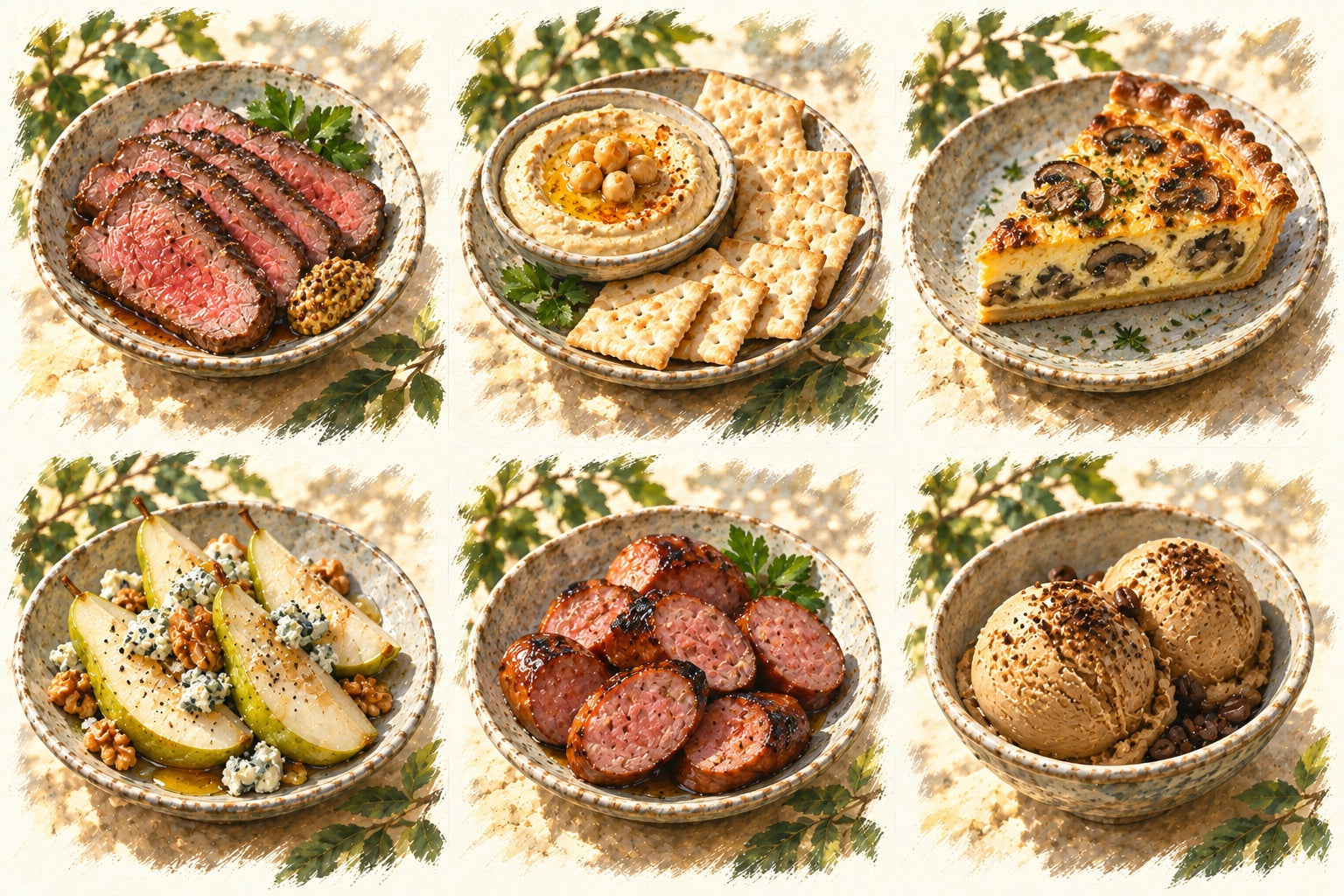
Cheese board

A local mild hard cheese or soft white cheese is a useful start; compare stronger cheeses later.

Try it withAn oaky whisky with water

Taste a little of the aromatic drink alongside the dish’s richness and umami. Adjust temperature or dilution if it dominates.

Roasted mixed nuts

Start with unsalted almonds and walnuts, focusing on the roast rather than flavoured coatings.

Try it withAn oaky whisky with water

Explore the food’s grilled or toasted notes alongside the drink’s aroma. Start with moderate char and salt.

Dark chocolate

A bar or individually wrapped pieces both work. Begin with cocoa that is not intensely bitter.

Try it withA small pour of whisky with sweet oak aromas

A small after-dinner experiment: alternate a bite and a sip, checking that bitterness does not overwhelm the sweetness.

Roast beef

Use thin deli slices. Serve sauce or mustard separately.

Try it withAn oaky whisky with water

Explore the food’s grilled or toasted notes alongside the drink’s aroma. Start with moderate char and salt.

Smoked sausage

Choose a fully cooked product and follow its instructions; keep hot sauces light.

Try it withAn oaky whisky with water

Taste a little of the aromatic drink alongside the dish’s richness and umami. Adjust temperature or dilution if it dominates.

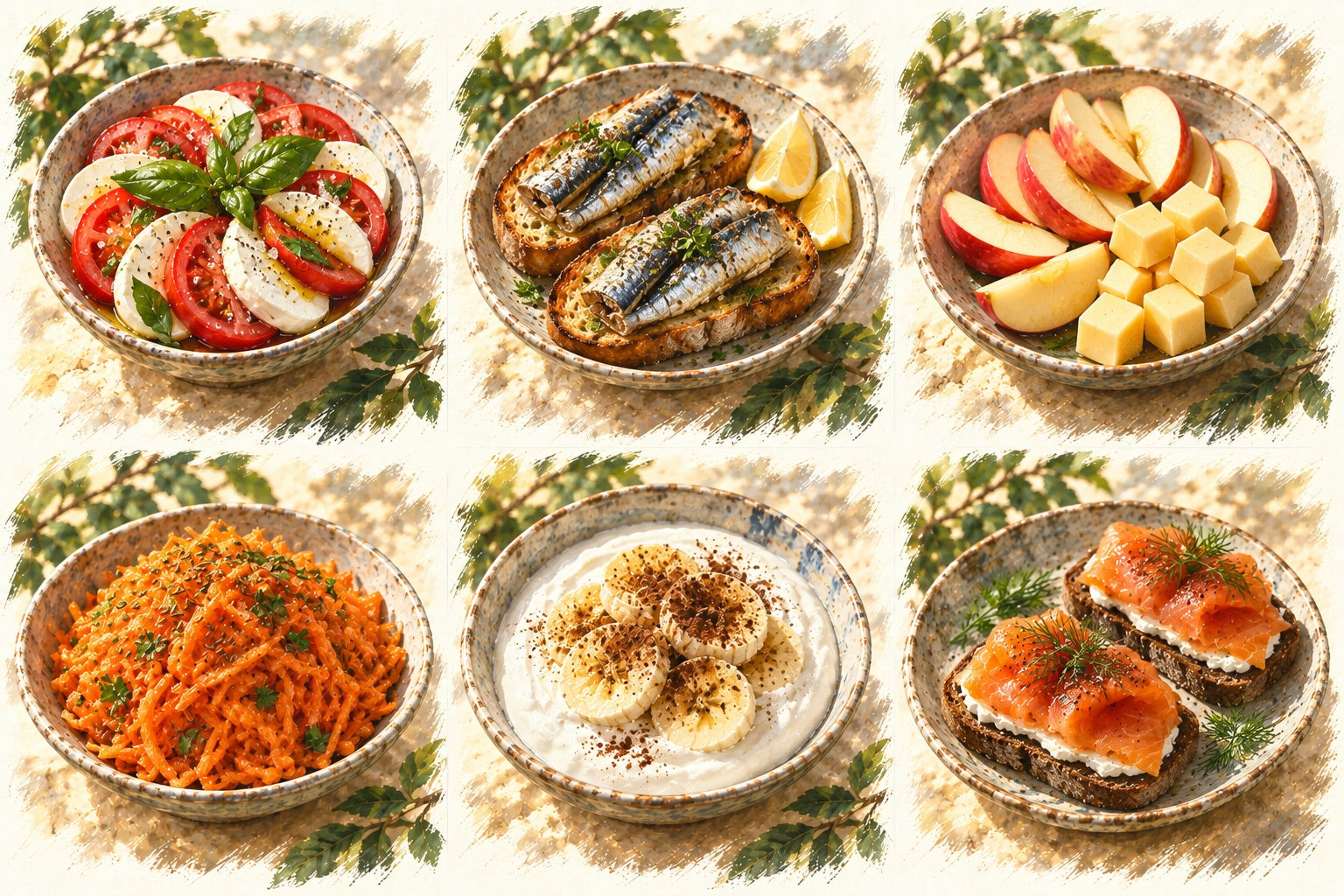
Banana yogurt with cocoa

Easy home recipe · About 5 min

Ingredients (2 snack portions)
1 banana, 150g plain yogurt, 1 tsp unsweetened cocoa

Method
1. Slice the banana.
2. Add to the yogurt and dust lightly with cocoa.

Try it withA small pour of whisky with sweet oak aromas

A small after-dinner experiment: alternate a bite and a sip, checking that bitterness does not overwhelm the sweetness.

Japanese 6

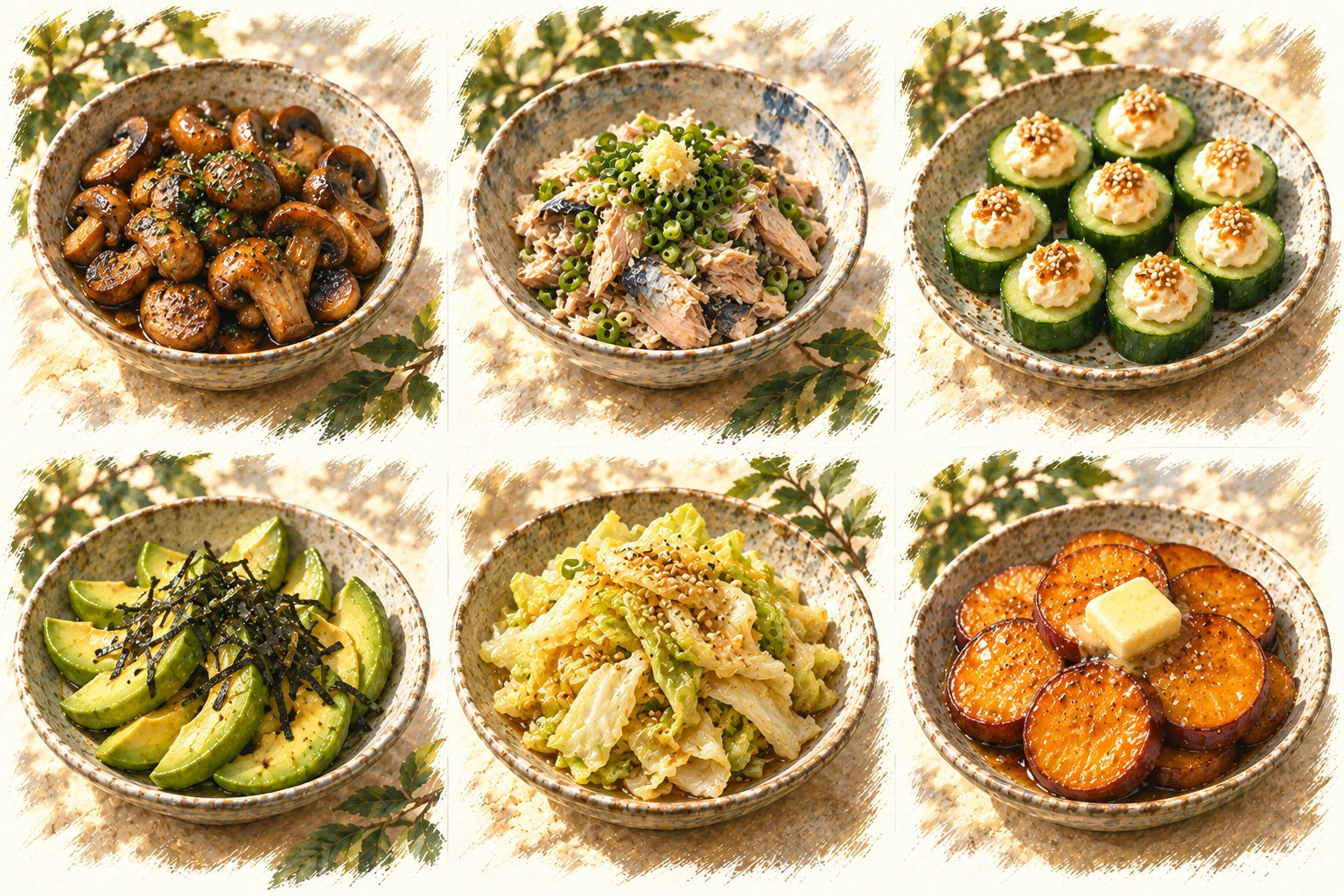
Soy-butter mushrooms

Easy home recipe · About 10 min

Ingredients (2 snack portions)
150g mushrooms, 10g butter, 1 tsp soy sauce

Method
1. Slice the mushrooms.
2. Sauté in butter for 6–8 minutes until cooked.
3. Toss with soy sauce.

Try it withAn oaky whisky with water

Explore the food’s grilled or toasted notes alongside the drink’s aroma. Start with moderate char and salt.

Cucumber with miso cream cheese

Easy home recipe · About 5 min

Ingredients (2 snack portions)
50g cream cheese, 1 tsp miso, 1/2 cucumber

Method
1. Mix the cheese and miso.
2. Spoon small amounts onto cucumber rounds.

Try it withAn oaky whisky with water

Taste a little of the aromatic drink alongside the dish’s richness and umami. Adjust temperature or dilution if it dominates.

Sweet potato with butter

Easy home recipe · About 5 min

Ingredients (2 snack portions)
200g ready-cooked sweet potato, 10g butter

Method
1. Warm the sweet potato following the pack instructions.
2. Cut into pieces and top with butter.

Try it withA small pour of whisky with sweet oak aromas

A small after-dinner experiment: alternate a bite and a sip, checking that bitterness does not overwhelm the sweetness.

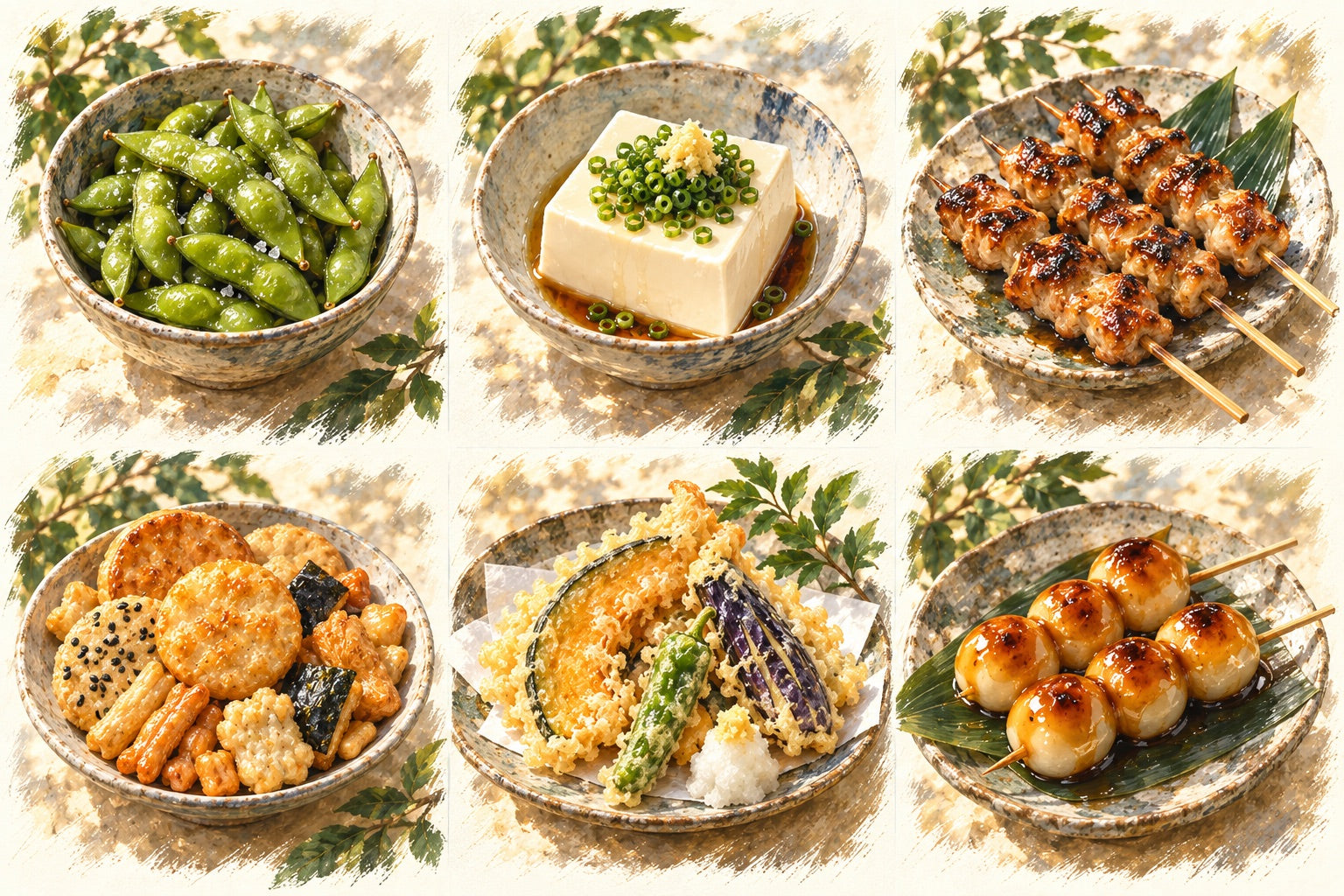
Yakitori chicken skewers

Ready-cooked skewers work too. Choose salt for a lighter bite or glaze for sweet, savoury char.

Try it withAn oaky whisky with water

Explore the food’s grilled or toasted notes alongside the drink’s aroma. Start with moderate char and salt.

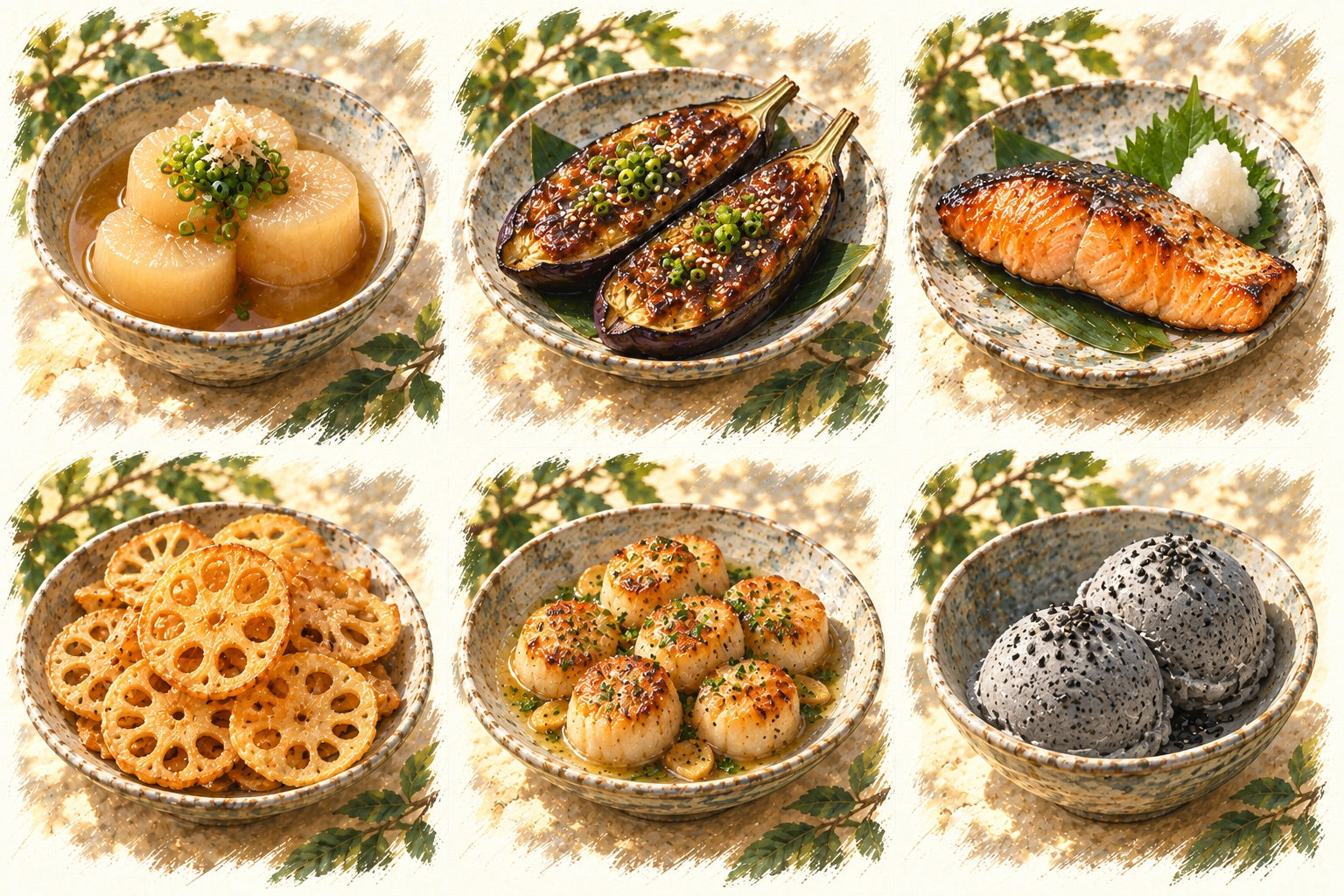
Lotus-root crisps

Serve a shop-bought handful in a bowl; start with lightly salted crisps.

Try it withA light whisky highball

Try a fresher serving against the rich coating and oil. Serve chilli sauce separately to make comparison easier.

Black sesame ice cream

A small scoop of shop-bought ice cream brings roasted sesame aromas after dinner.

Try it withA small pour of whisky with sweet oak aromas

A small after-dinner experiment: alternate a bite and a sip, checking that bitterness does not overwhelm the sweetness.

Chinese & Taiwanese 6

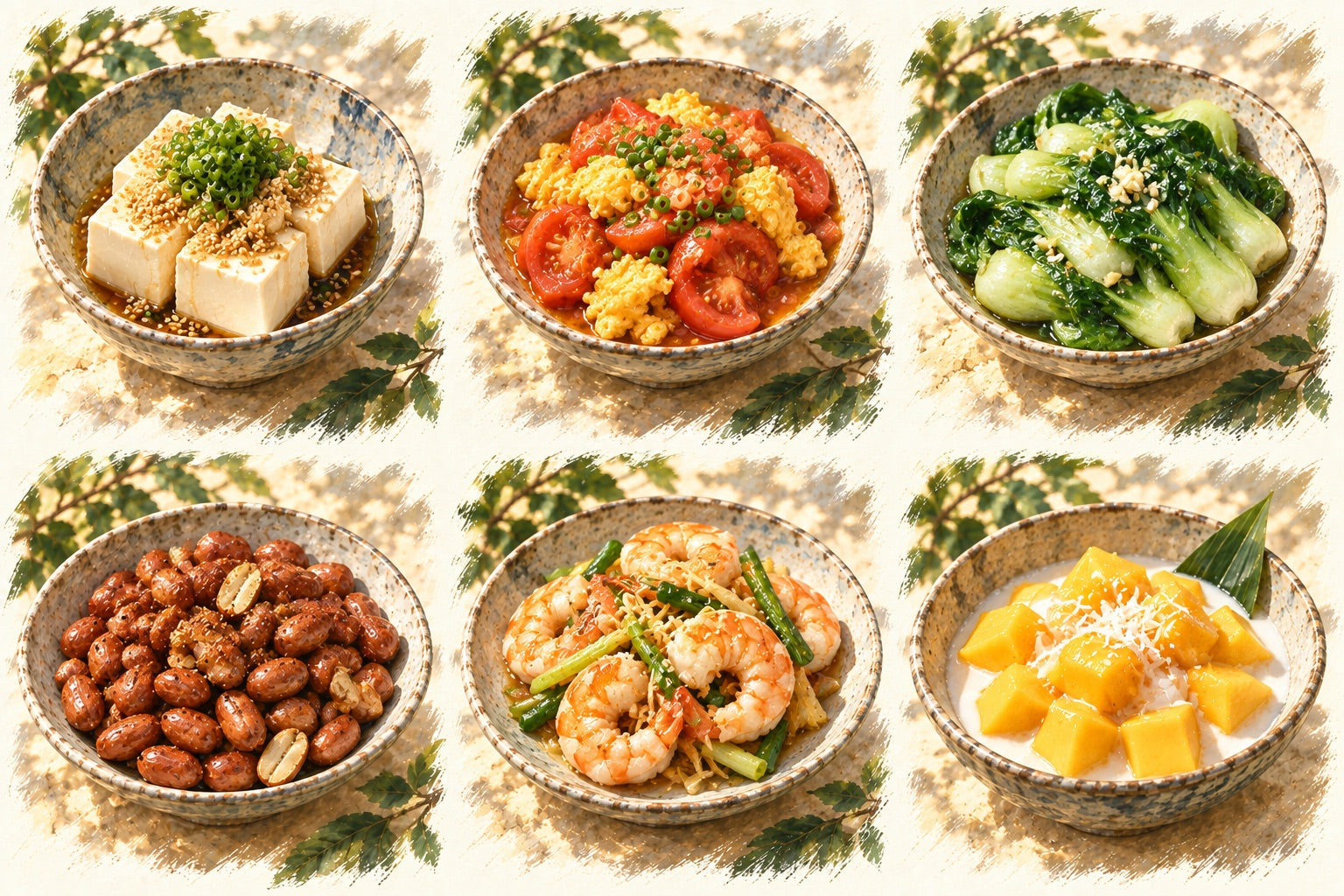
Five-spice peanuts

Easy home recipe · About 5 min

Ingredients (2 snack portions)
80g unsalted roasted peanuts, 1/2 tsp sesame oil, a pinch of five-spice powder

Method
1. Coat the peanuts with the oil.
2. Add a little five-spice powder and toss.

Try it withAn oaky whisky with water

Explore the food’s grilled or toasted notes alongside the drink’s aroma. Start with moderate char and salt.

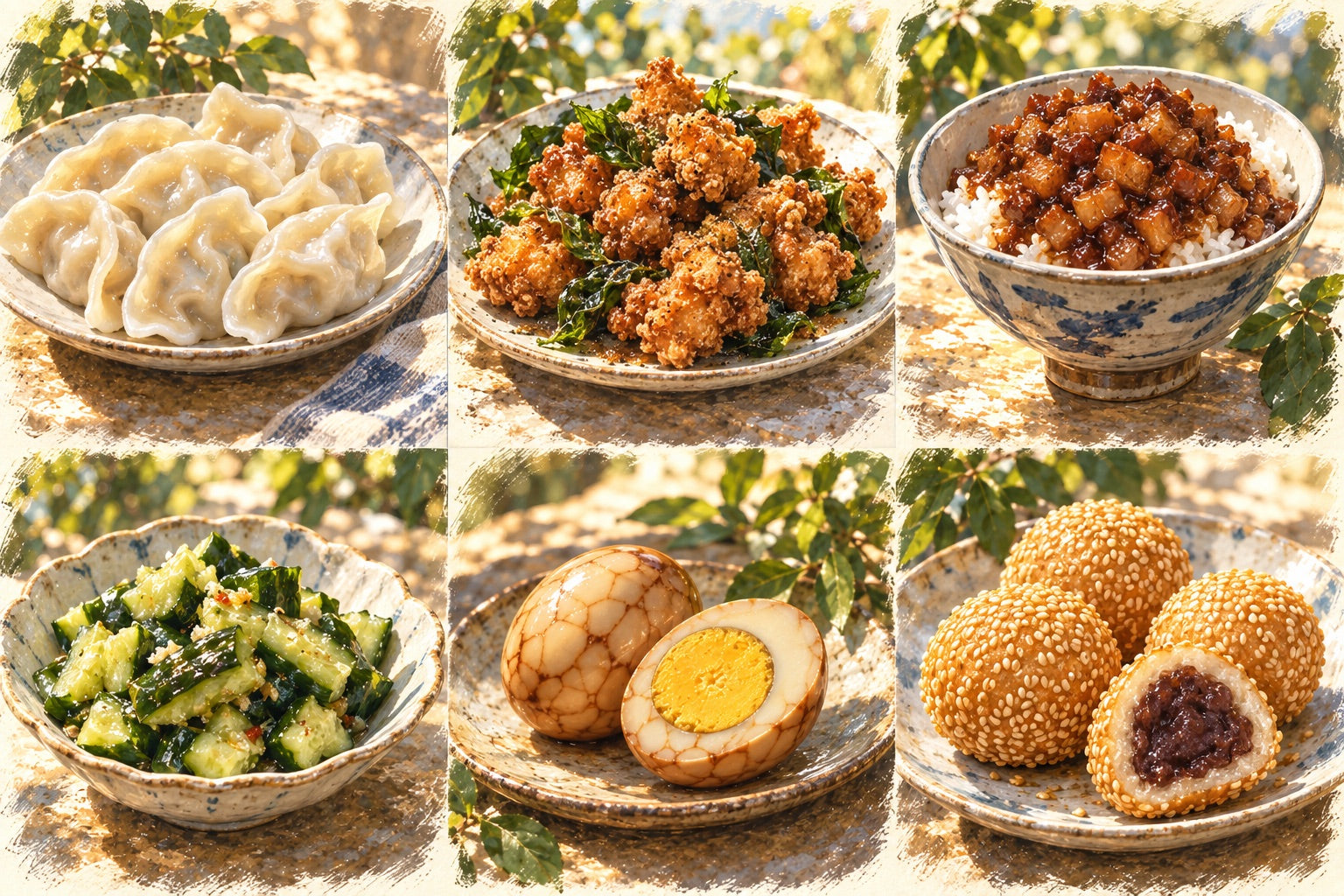
Lu rou fan: braised pork rice

Sweet-savoury braised pork over rice. Adjust the drink to the strength of the sauce and star anise.

Try it withAn oaky whisky with water

Taste a little of the aromatic drink alongside the dish’s richness and umami. Adjust temperature or dilution if it dominates.

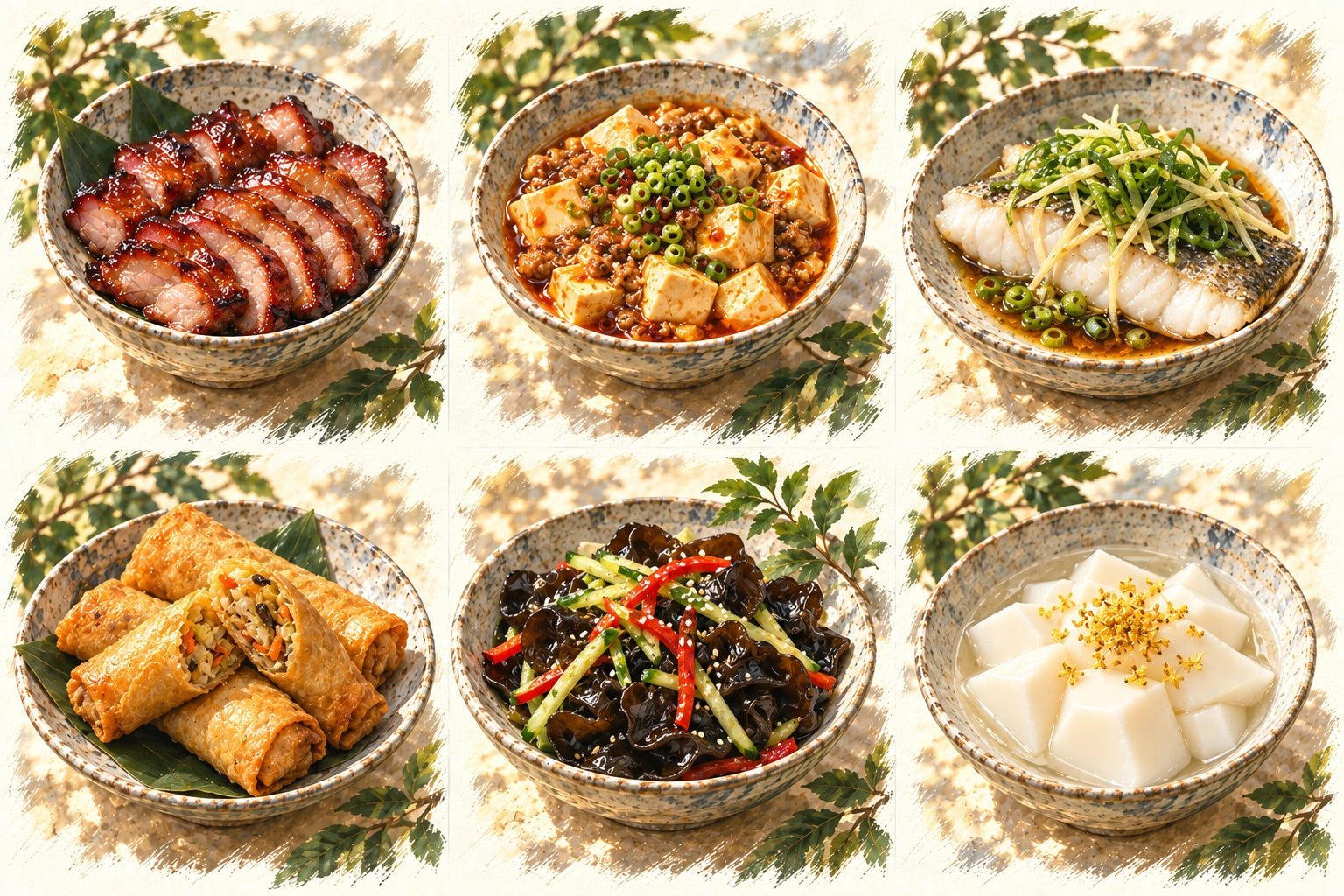
Char siu pork

Thin deli slices offer a sweet-savoury glaze and rich pork flavour.

Try it withAn oaky whisky with water

Taste a little of the aromatic drink alongside the dish’s richness and umami. Adjust temperature or dilution if it dominates.

Sesame balls

Ready-made or frozen sesame-coated dumplings work well. Enjoy the sesame and sweet bean filling after dinner.

Try it withA small pour of whisky with sweet oak aromas

A small after-dinner experiment: alternate a bite and a sip, checking that bitterness does not overwhelm the sweetness.

Tomato and egg stir-fry

Easy home recipe · About 10 min

Ingredients (2 snack portions)
1 tomato, 2 eggs, 2 tsp oil, a pinch of salt

Method
1. Scramble the beaten eggs in oil and set aside.
2. Stir-fry chopped tomato for 2–3 minutes.
3. Return the eggs and cook until fully set
4. season.

Try it withAn oaky whisky with water

Taste a little of the aromatic drink alongside the dish’s richness and umami. Adjust temperature or dilution if it dominates.

Vegetable spring rolls

Cook frozen rolls as directed; enjoy the crisp pastry with sauce on the side.

Try it withA light whisky highball

Try a fresher serving against the rich coating and oil. Serve chilli sauce separately to make comparison easier.

1 tsp = 5ml; 1 tbsp = 15ml. Times are approximate.

Illustrations show serving ideas. Seasoning and the style of the drink will change the pairing.