Browse all categories
05 / GIN

Gin

Q-NaQ-Na

So many botanicals—is this a drinks shelf or a botanical garden?

JoanneJoanne

A spirit centred on juniper and other botanicals. Botanical means a plant ingredient. London Dry describes a production style, not a requirement to make it in London.

Reading sweetness
Mixer sugar changes the finished drink
A way to start
Compare soda with tonic
Six clues to your next glass

Explore aroma, texture and serving style to find what you enjoy.

ABV

37.5–50% typical

Check the bottle for its alcohol content. When mixing, consider both the measure and the mixer.

Sweetness

DrySweet

Often dry; sweetened styles exist

Sweet aromas and sugar are different clues. Colour alone does not tell you sweetness.

Acidity

GentleBright

Changes with the mixer

Distinguish acidity in the drink itself from acidity added by juice or mixers.

Aroma

Juniper, citrus, herbs

Ideas for describing aromas; illustrated ingredients are not present in every product.

Texture

LightFull

Sharp to rounded

A light finish or a rounded texture? Temperature and dilution can change the impression.

Serving

Compare aromas with soda

Start with the producer’s serving advice, then adjust temperature or water a little at a time.

The bands show dimensions of taste, not scores or positions for individual products.

THE DETAILS

Understand the styles

From genever to modern gin

Gin’s background includes the juniper-flavoured genever traditions of the Netherlands and neighbouring regions. In Britain, eighteenth-century mass consumption brought serious social problems before changing tastes and distillation technology helped establish drier styles. Modern craft producers often work with local citrus, tea or herbs. Juniper remains a useful reference point through that diversity: it connects the newest botanical recipe with the category’s older roots.

More botanicals do not mean better gin

Juniper’s resinous, pine-like character can be supported by coriander seed, citrus peel, roots and flowers. Maceration and vapour infusion offer different ways to carry those aromas into a spirit. A focused recipe with a few ingredients can be as expressive as a long botanical list. Ask what leads, what supports it and what remains on the finish, rather than treating the ingredient count as a score.

Read style names carefully

London Dry is a production-related style, not simply a statement that a gin was made in London. An aroma that suggests sweetness is also different from actual sugar content. Floral, citrus-led and spicy are useful tasting descriptions, but the individual bottle’s ingredients and strength still matter. Flavoured or sweetened products can occupy a different place in a drink from a very dry, juniper-led style.

Let the gin speak first

Start with a modest measure and soda or a restrained amount of tonic before adding elaborate garnishes. Too much citrus or herb can hide the character you wanted to explore. For food, try a herb-seasoned chicken dish or a citrus-dressed starter as a first experiment. When comparing bottles, keep the mixer and proportions consistent. That small discipline makes it much easier to notice what the gin itself contributes.

Further reading: WSET · Gin history · WSET · Spirits production

Q-NaQ-Na

Gin’s aroma is built by addition

Gin is made by carrying plant aromas into a distilled spirit. Those plants are called botanicals, and which ones go in, and in what amounts, is what makes one gin different from another. Common choices include coriander seed, angelica root, lemon or orange peel and cardamom. Some gins use around ten, others more than forty. There are also two ways to pick up the aroma: steeping the botanicals in the spirit before distilling, or passing the vapour through them. Same ingredients, different result. Many makers keep the recipe to themselves, so guessing what is in the glass is part of the fun.

Q-NaQ-Na

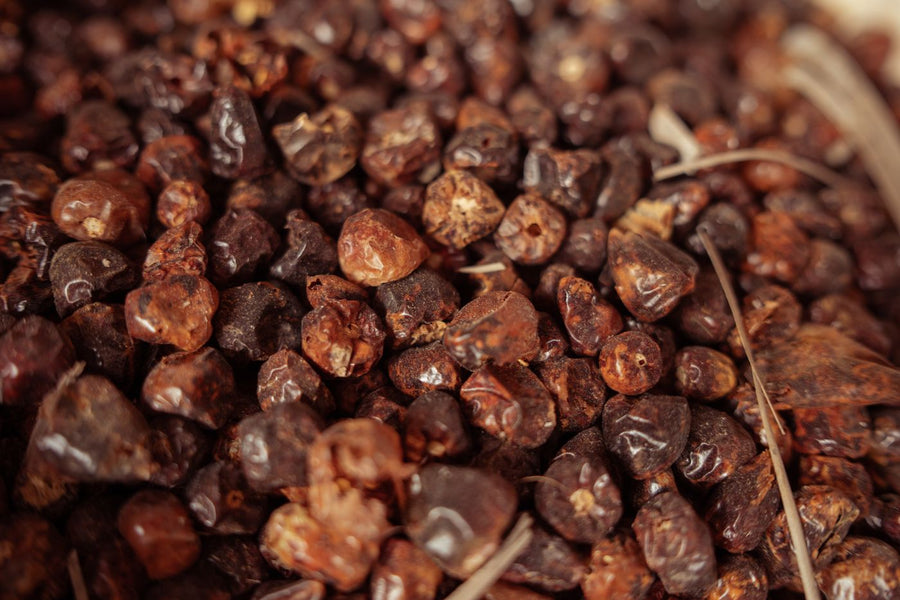
The juniper berry is not a berry

To be called gin, the drink must taste mainly of juniper. Everything else is up to the maker, but that one is fixed. And despite the name, a juniper berry is not a fruit at all. It is a cone, related to a pine cone, whose scales close up tight and end up looking round like a berry. Crush one lightly and you get that clean, cool scent of a conifer forest. That smell is the thing that makes gin gin. In the kitchen it is a spice used to soften the smell of meat, and its job in the glass is much the same.

Juniper berries: berry-like cones rather than true berries.
Juniper berries: berry-like cones rather than true berries. Denys Gromov / Pexels
Q-NaQ-Na

London Dry does not have to come from London

London Dry is a method, not a place. A gin made anywhere in the world can carry the name. The rule is that the flavour has to come from the distillation itself, so no aromas or colouring may be added afterwards, and only a trace of sweetening is allowed. Because nothing can be fixed later, the choice of botanicals and the skill of the distiller show up directly in the glass. If you see those words on a label, expect a clear, unadorned style. Even inside the category the gap between brands is wide, so it is better not to treat them as one thing.

Q-NaQ-Na

Craft gin brings the local landscape in

Over the past decade or so, small distilleries around the world have started making gin from plants grown nearby. In Japan that means yuzu, sansho pepper, green tea or hinoki cypress. In Taiwan you find lychee, local tea leaves and citrus peel. Juniper stays at the centre, and everything around it is open, which is the fun of gin. It also needs no long ageing, so a small producer can start without waiting years. That is why there are so many, and why comparing them is worth doing.

AT THE TABLE

Start with the food.

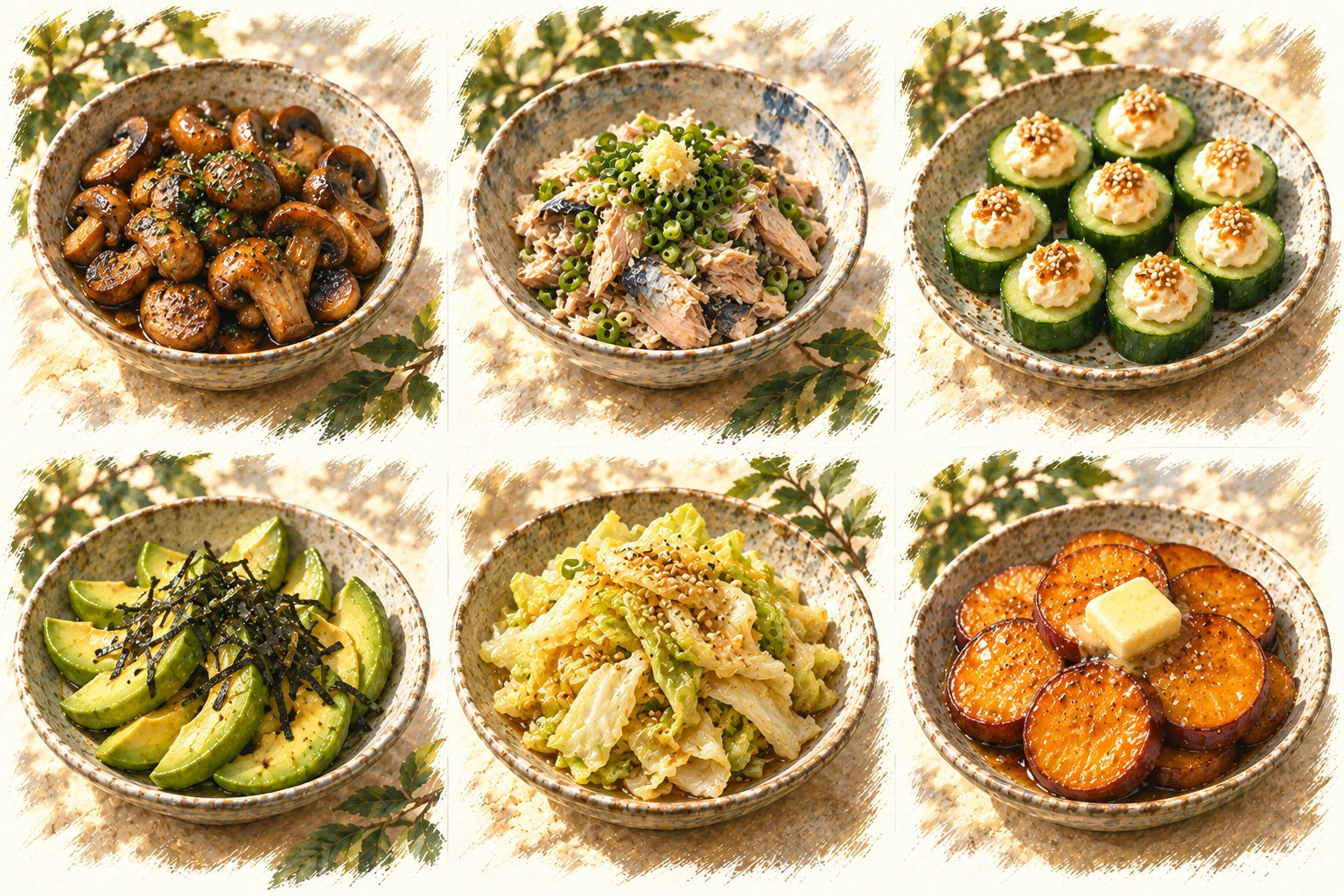
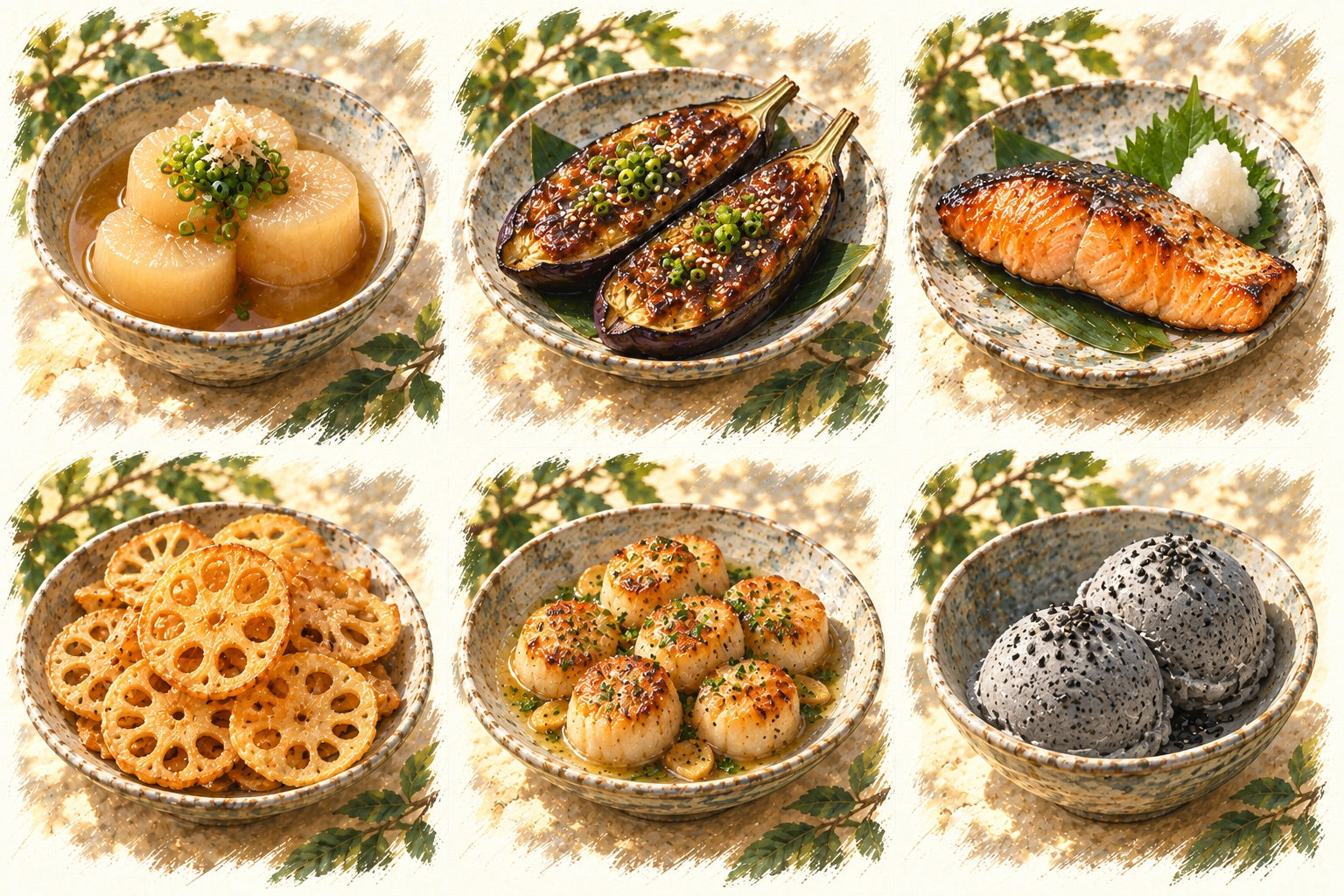
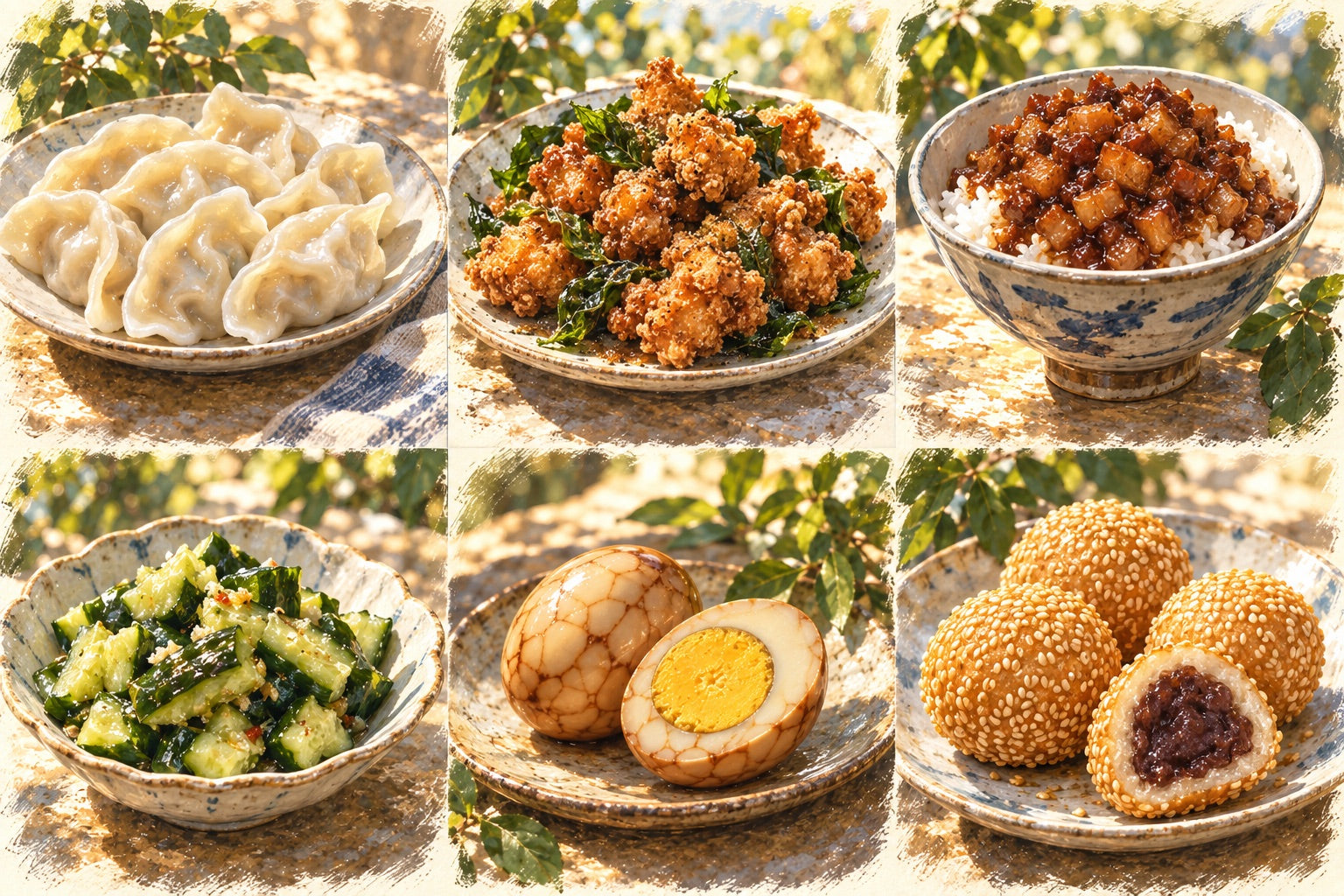
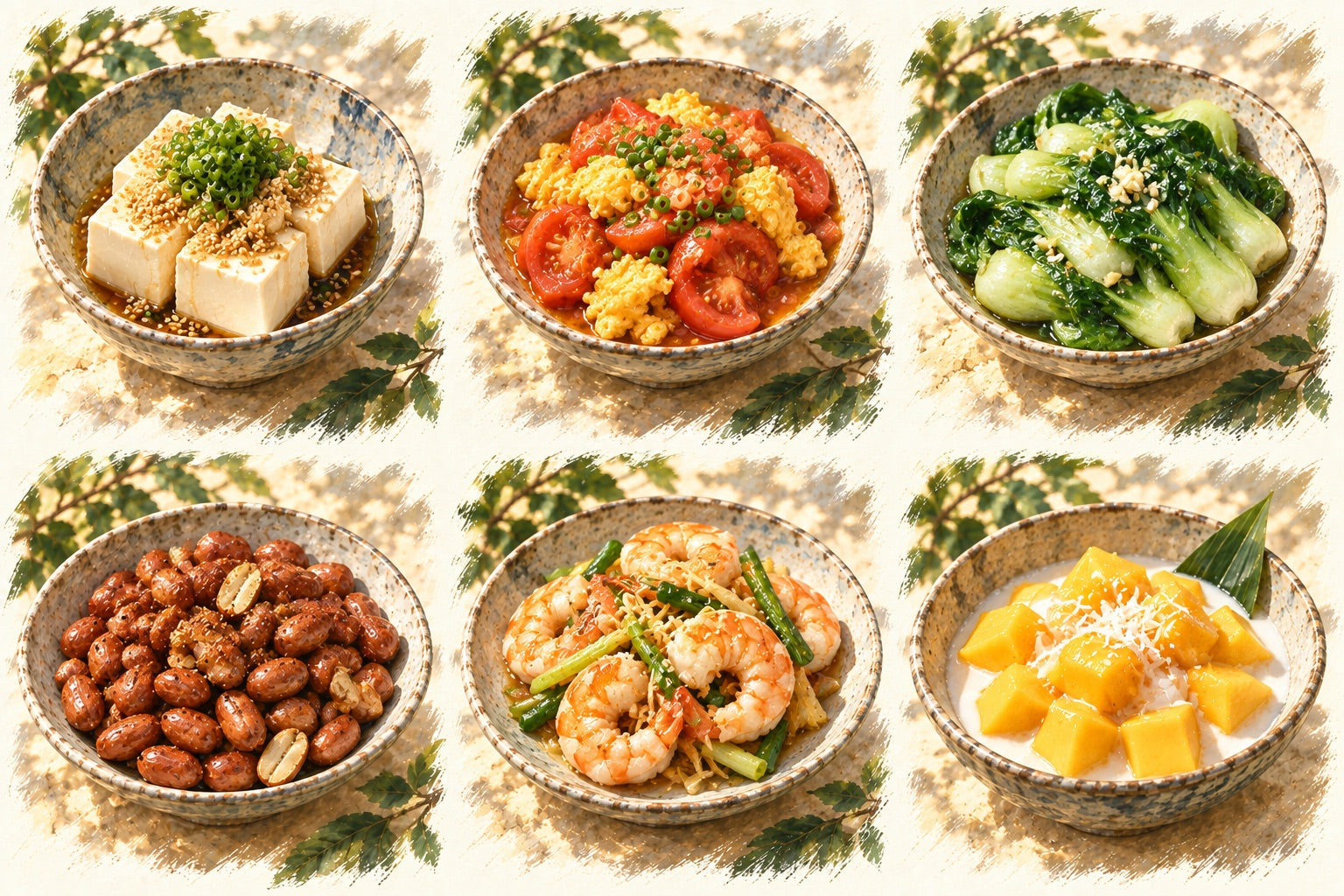
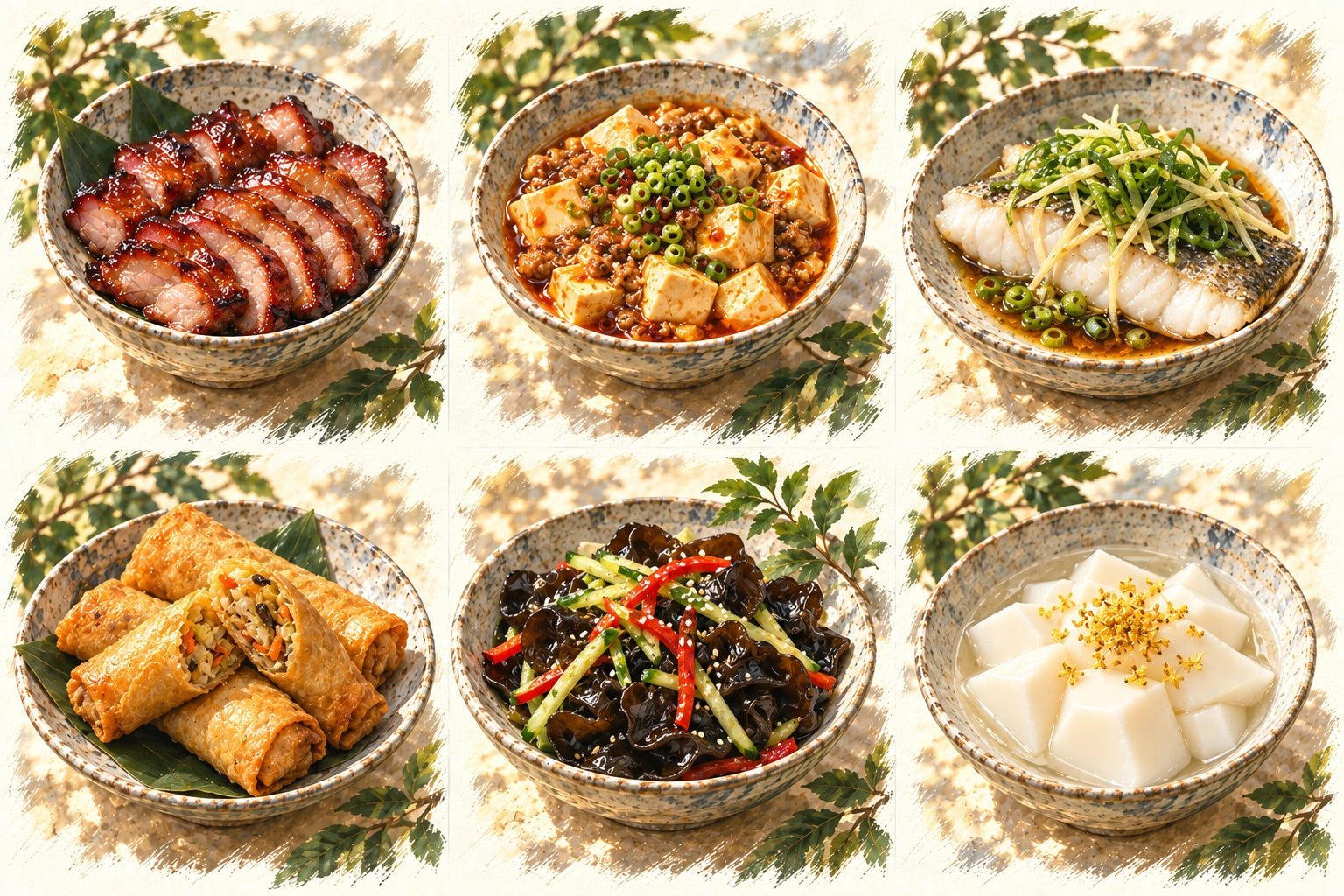
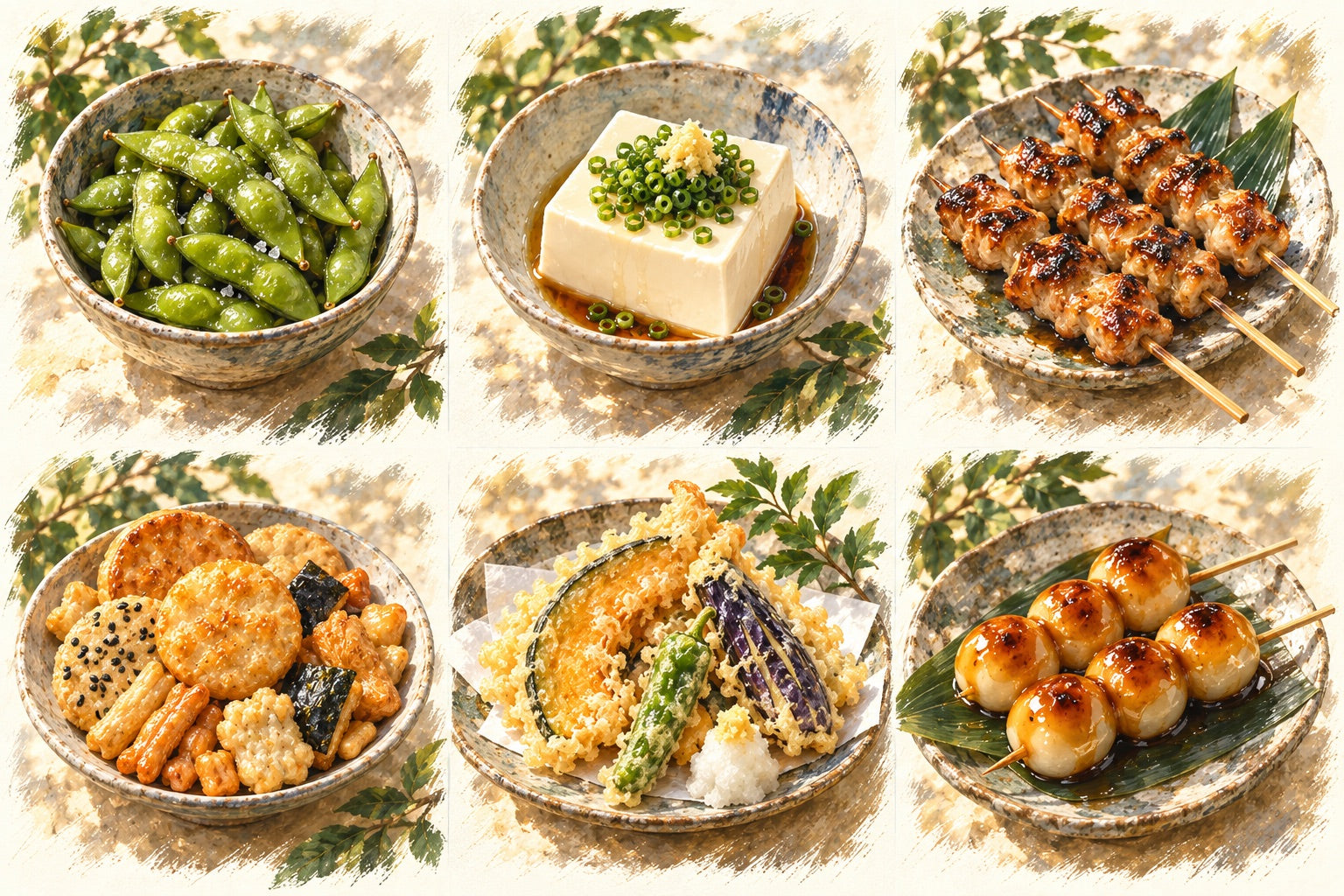
Six Japanese, six Western and six Chinese/Taiwanese dishes selected for this drink category, including familiar snacks and easy dishes to make at home.

Use canned tuna if mackerel is hard to find, spinach instead of bok choy, or a little soy sauce and citrus juice instead of ponzu. Adjust to taste.

Western food & easy snacks 6 ideas

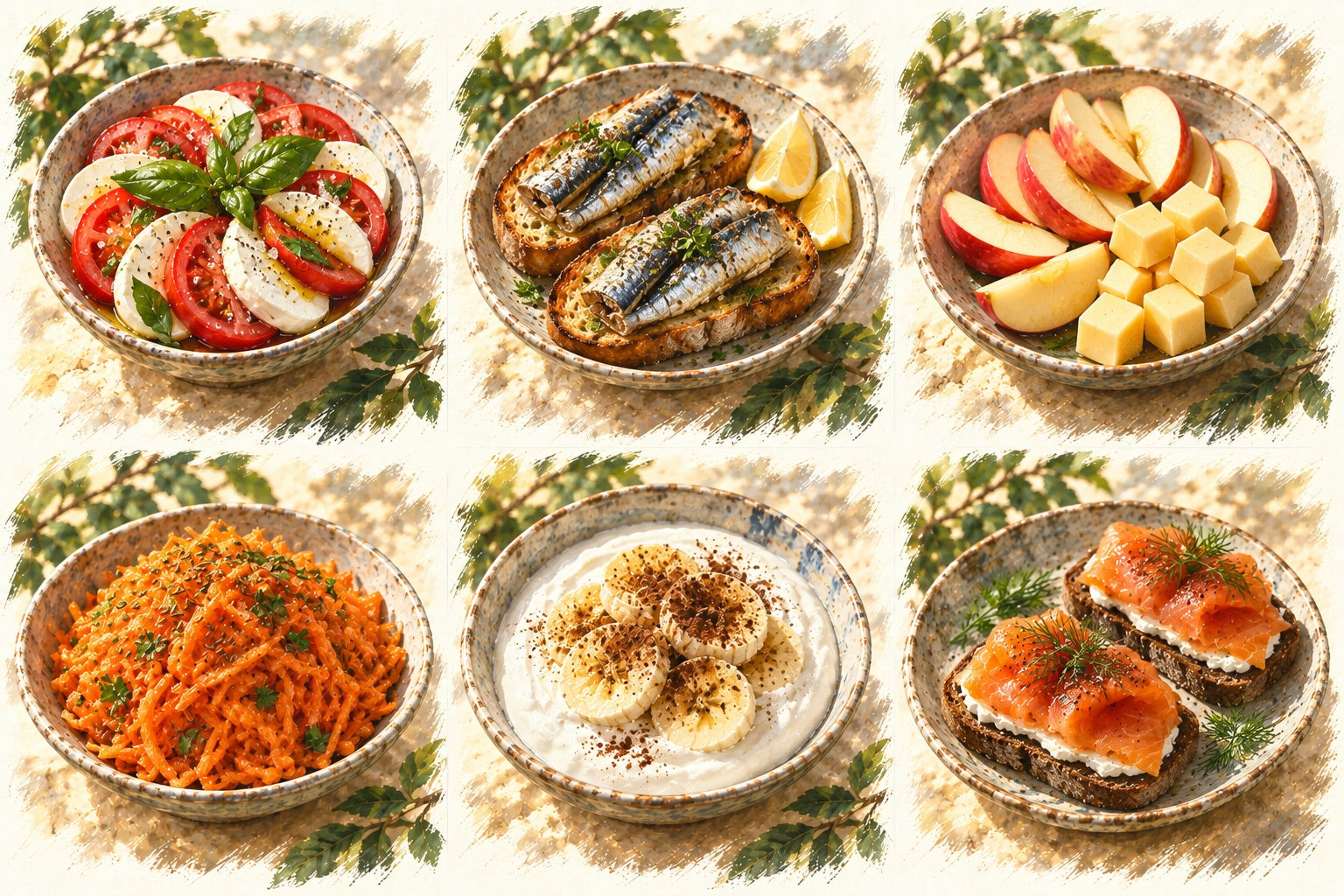
Tomato and mozzarella

Easy home recipe · About 5 min

Ingredients (2 snack portions)
1 tomato, 100g mozzarella, 4 basil leaves, 1 tsp olive oil

Method

  1. Slice and arrange the tomato and cheese.
  2. Add basil and olive oil.

Try it withGin with unsweetened soda water

Try a lighter serving with green aromas and salt. Keep sharply acidic dressings modest at first.

Salmon and dill open sandwiches

Easy home recipe · About 5 min

Ingredients (2 snack portions)
2 slices rye bread, 60g ready-to-eat smoked salmon, 30g cream cheese, a little dill

Method

  1. Spread the cheese on the bread.
  2. Top with salmon and dill.

Try it withCask-aged gin with soda water

Taste a little of the aromatic drink alongside the dish’s richness and umami. Adjust temperature or dilution if it dominates.

Carrot and cumin salad

Easy home recipe · About 5 min

Ingredients (2 snack portions)
1 carrot, 2 tsp olive oil, 1 tsp lemon juice, a pinch of cumin

Method

  1. Finely grate the carrot.
  2. Mix with the oil, lemon and cumin.

Try it withGin with unsweetened soda water

Try a lighter serving with green aromas and salt. Keep sharply acidic dressings modest at first.

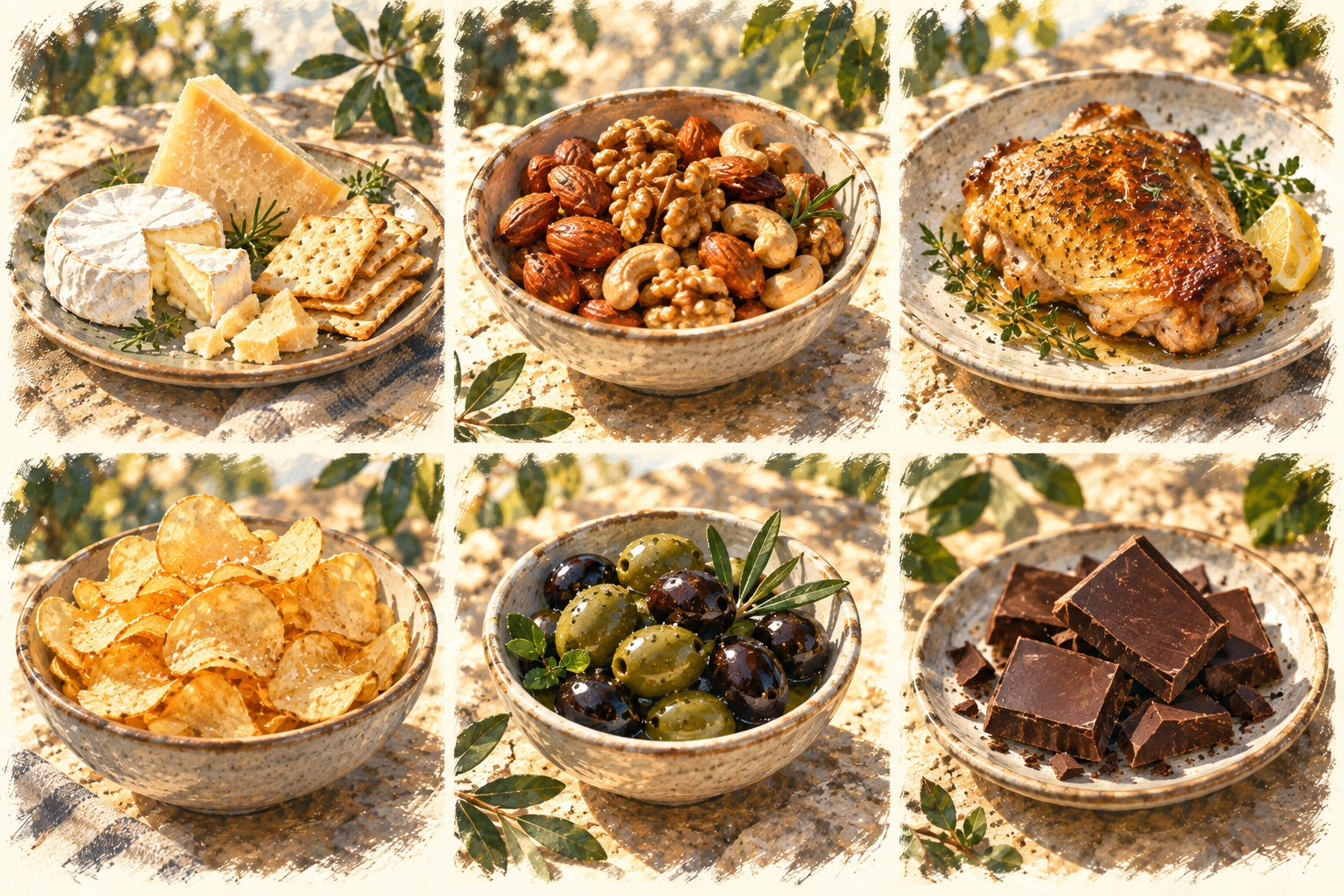
Olives

Jarred or deli olives are easy to serve. Drain the brine and taste a few at a time.

Try it withGin with unsweetened soda water

Try a lighter serving with green aromas and salt. Keep sharply acidic dressings modest at first.

Hummus and crackers

Shop-bought hummus with plain crackers highlights chickpeas and sesame richness.

Try it withCask-aged gin with soda water

Taste a little of the aromatic drink alongside the dish’s richness and umami. Adjust temperature or dilution if it dominates.

Lemon sardine toast

Easy home recipe · About 10 min

Ingredients (2 snack portions)
100g drained canned sardines, 2 slices bread, 1 tsp lemon juice

Method

  1. Toast the bread.
  2. Top with sardines and drizzle with lemon juice.

Try it withCask-aged gin with soda water

Taste a little of the aromatic drink alongside the dish’s richness and umami. Adjust temperature or dilution if it dominates.

Japanese 6 ideas

Avocado with nori

Easy home recipe · About 5 min

Ingredients (2 snack portions)
1 avocado, 1/2 sheet roasted nori, 1 tsp soy sauce

Method

  1. Cut the avocado.
  2. Toss with soy sauce and top with torn nori.

Try it withGin with unsweetened soda water

Try a lighter serving with green aromas and salt. Keep sharply acidic dressings modest at first.

Steamed cabbage with ponzu

Easy home recipe · About 10 min

Ingredients (2 snack portions)
200g cabbage, 2 tbsp water, 2 tsp ponzu

Method

  1. Put chopped cabbage and water in a pan
  2. cover and steam for 3–4 minutes.
  3. Drain and toss with ponzu.

Try it withGin with unsweetened soda water

Try a lighter serving with green aromas and salt. Keep sharply acidic dressings modest at first.

Edamame

Frozen pods work well. Use a little salt so the beans keep their gentle sweetness.

Try it withGin with unsweetened soda water

Try a lighter serving with green aromas and salt. Keep sharply acidic dressings modest at first.

Chilled silken tofu

Top soft tofu with spring onion and ginger; keep soy sauce light.

Try it withGin with unsweetened soda water

Keep the gentle savoury flavours in focus. Sip a little and adjust the strength so the food stays distinct.

Butter-seared scallops

A ready-cooked portion works too. Pair the shellfish sweetness and buttery richness.

Try it withCask-aged gin with soda water

Explore the food’s grilled or toasted notes alongside the drink’s aroma. Start with moderate char and salt.

Lotus-root crisps

Serve a shop-bought handful in a bowl; start with lightly salted crisps.

Try it withGin with unsweetened soda water

Try a fresher serving against the rich coating and oil. Serve chilli sauce separately to make comparison easier.

Chinese & Taiwanese 6 ideas

Smashed cucumber

Dress crushed cucumber with a little salt and sesame oil; go easy on garlic and vinegar.

Try it withGin with unsweetened soda water

Try a lighter serving with green aromas and salt. Keep sharply acidic dressings modest at first.

Cooked prawns with ginger

Easy home recipe · About 5 min

Ingredients (2 snack portions)
150g cooked peeled prawns, 1 tsp ginger, 1 tbsp spring onion, 1 tsp each sesame oil and soy sauce

Method

  1. Prepare prawns according to the pack and pat dry.
  2. Toss with the remaining ingredients.

Try it withGin with unsweetened soda water

Keep the gentle savoury flavours in focus. Sip a little and adjust the strength so the food stays distinct.

Garlic bok choy

Easy home recipe · About 10 min

Ingredients (2 snack portions)
2 bok choy, 1 garlic clove, 2 tsp oil, 2 tbsp water, a pinch of salt

Method

  1. Chop the garlic and bok choy.
  2. Fry garlic and stems in oil, then add leaves and water.
  3. Cover for 2–3 minutes until tender
  4. season.

Try it withGin with unsweetened soda water

Try a lighter serving with green aromas and salt. Keep sharply acidic dressings modest at first.

Tofu with sesame and spring onion

Easy home recipe · About 5 min

Ingredients (2 snack portions)
200g ready-to-eat tofu, 1 tbsp ground sesame, 1 tsp soy sauce, 2 tsp water, 1 tbsp spring onion

Method

  1. Mix sesame, soy sauce and water.
  2. Pour over drained tofu and add spring onion.

Try it withGin with unsweetened soda water

Keep the gentle savoury flavours in focus. Sip a little and adjust the strength so the food stays distinct.

White fish with ginger and spring onion

Steamed fish with ginger and spring onion; go easy on sauce in a ready-made portion.

Try it withGin with unsweetened soda water

Keep the gentle savoury flavours in focus. Sip a little and adjust the strength so the food stays distinct.

Wood-ear mushroom salad

Choose a cooked deli salad; keep vinegar and chilli light to enjoy the crisp texture.

Try it withGin with unsweetened soda water

Try a lighter serving with green aromas and salt. Keep sharply acidic dressings modest at first.

1 tsp = 5ml; 1 tbsp = 15ml. Times are approximate.

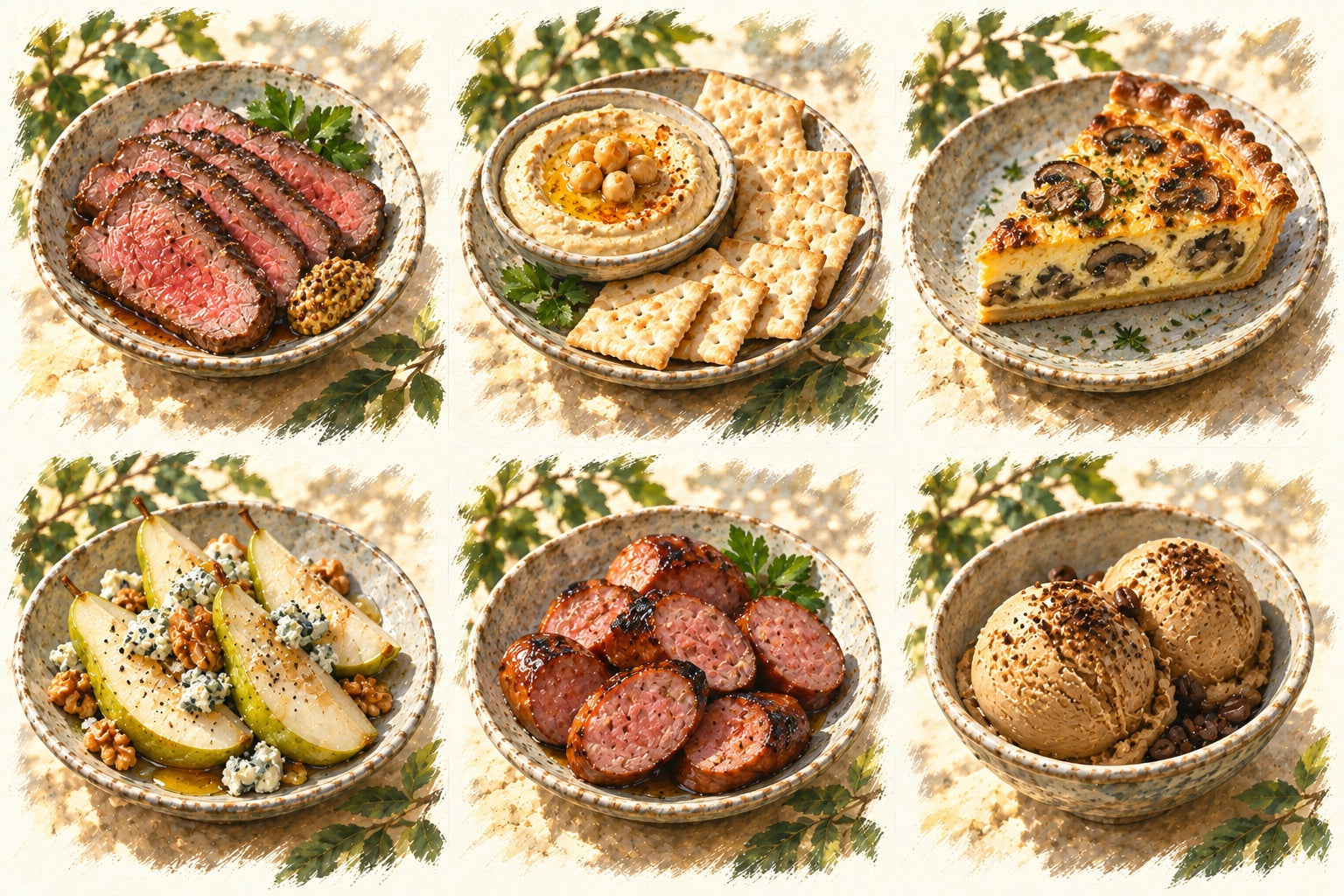
Illustrations show serving ideas. Seasoning and the style of the drink will change the pairing.