Browse all categories
08 / FRUIT

Fruit drinks with alcohol

Q-NaQ-Na

Are all fruit drinks made the same way?

JoanneJoanne

Separate fermented fruit wines from spirits infused with fruit or blended with juice. The pictured mango drink is a liqueur.

Reading sweetness
Depends on juice, sugar and acidity
A way to start
Chill or serve with soda

Six clues to your next glass

Explore aroma, texture and serving style to find what you enjoy.

ABV

Many products around 5–15%; process varies

Check the bottle for its alcohol content. When mixing, consider both the measure and the mixer.

Sweetness

DrySweet

Varies with juice and added sugar

Sweet aromas and sugar are different clues. Colour alone does not tell you sweetness.

Acidity

GentleBright

Depends strongly on the fruit

Distinguish acidity in the drink itself from acidity added by juice or mixers.

Aroma

Citrus, peach, mango and more

Ideas for describing aromas; illustrated ingredients are not present in every product.

Texture

LightFull

Light to pulpy

A light finish or a rounded texture? Temperature and dilution can change the impression.

Serving

Chill; add soda gradually

Start with the producer’s serving advice, then adjust temperature or water a little at a time.

The bands show dimensions of taste, not scores or positions for individual products.

THE DETAILS

Understand the styles

Fruit drinks have several histories

There is no single origin story for fruit-based drinks. Fermenting juice and steeping fruit in an existing spirit are different traditions, even when the same fruit appears on the label. Cider, berry wine, umeshu and citrus liqueur therefore belong to related but distinct conversations. The useful question is not only which fruit was used, but how it entered the process and what the maker wanted to preserve or transform.

Fermented, infused or blended

Fermentation turns fruit sugars into alcohol. Infusion extracts flavour into an existing alcoholic base, while blending may combine juice, spirit and other ingredients. These methods do not form a simple quality ladder. Japanese labels also use kajitsushu as a specific classification, which is narrower than the everyday idea of a fruity alcoholic drink. This guide uses the broader sense; the bottle’s ingredients and product category clarify what you are actually choosing.

Juice content is not a sweetness scale

Ripeness, acidity, fermentation and added sweetness all affect balance. Pulp can change texture, but cloudiness alone does not prove quality or a particular production philosophy. A citrus drink may emphasise bitter peel, a peach drink soft fruit, and a berry drink bright acidity. Separate sweet-smelling aromas from sweetness on the palate and decide which aspect you want before comparing percentages.

Mix simply and store carefully

Unsweetened soda is a useful starting point for a fruit drink that already contains sweetness. Add it gradually and compare the result with the food or dessert you plan to serve. Storage needs differ by recipe, especially where juice or pulp is present, so follow the producer’s advice after opening. Shake only when instructed, and do not shake a sparkling product. Those small details help preserve both flavour and a predictable serve.

Further reading: CHOYA · Umeshu and history · WSET · Wine styles

Q-NaQ-Na

Fermented fruit or fruit added to spirit?

JoanneJoanne

Wine and cider ferment fruit sugars. Fruit liqueurs introduce fruit or juice into an alcoholic base. A shop description such as “fruit drink” does not identify the process: check the category and ingredients. The mango product shown is a liqueur.

Q-NaQ-Na

Sweetness, acidity and pulp

JoanneJoanne

Peach or mango aromas, citrus acidity and the texture of pulp create different experiences. More juice does not automatically mean more sweetness. Follow the bottle instructions for sediment, and never vigorously shake a carbonated drink.

Q-NaQ-Na

For the table, try a little soda

JoanneJoanne

Ice or unsweetened soda can make a rich fruit liqueur easier to balance with a meal. Add gradually so the fruit remains clear. Storage temperature and use-after-opening guidance vary with juice content and production; follow the label.

AT THE TABLE

Start with the food.

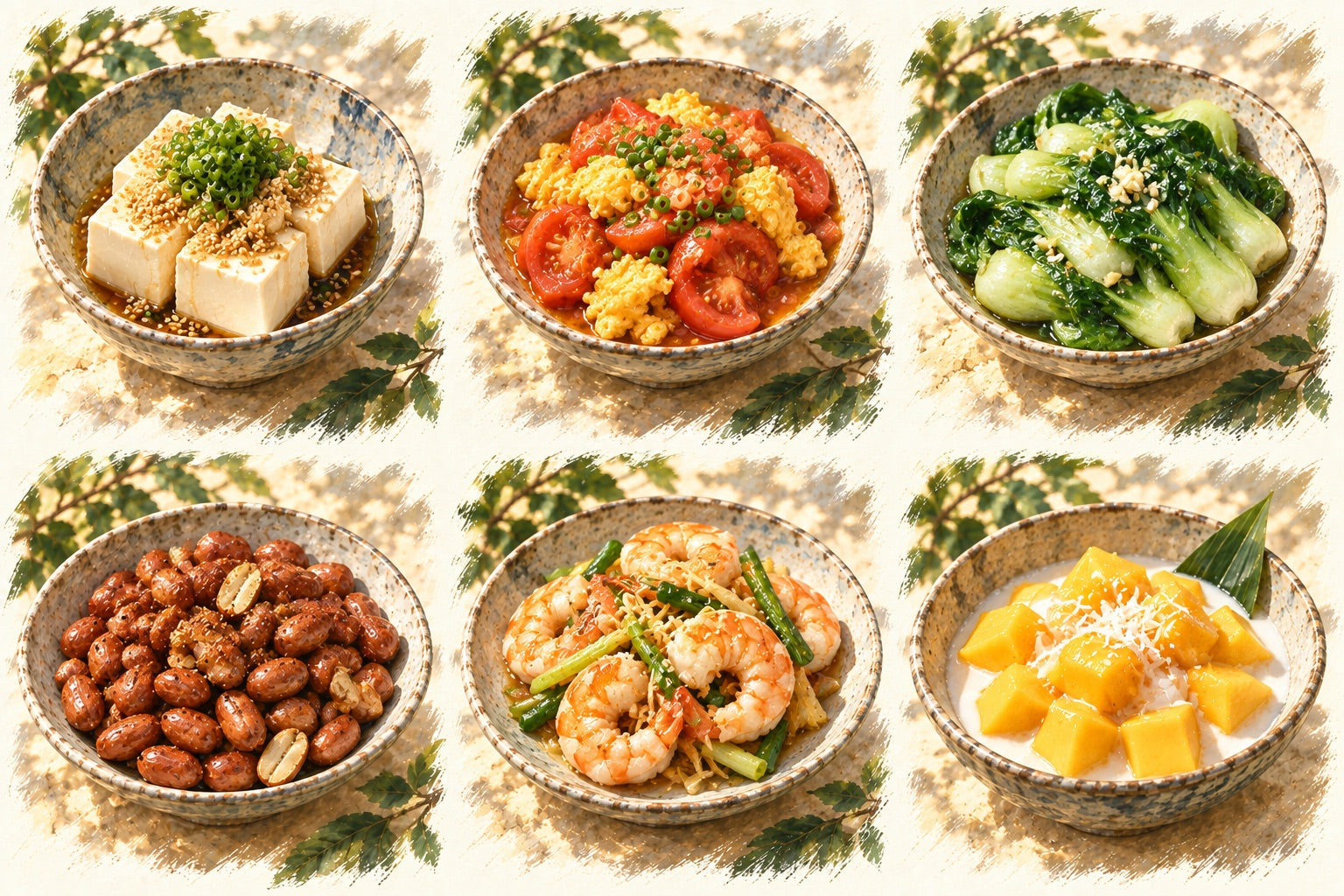
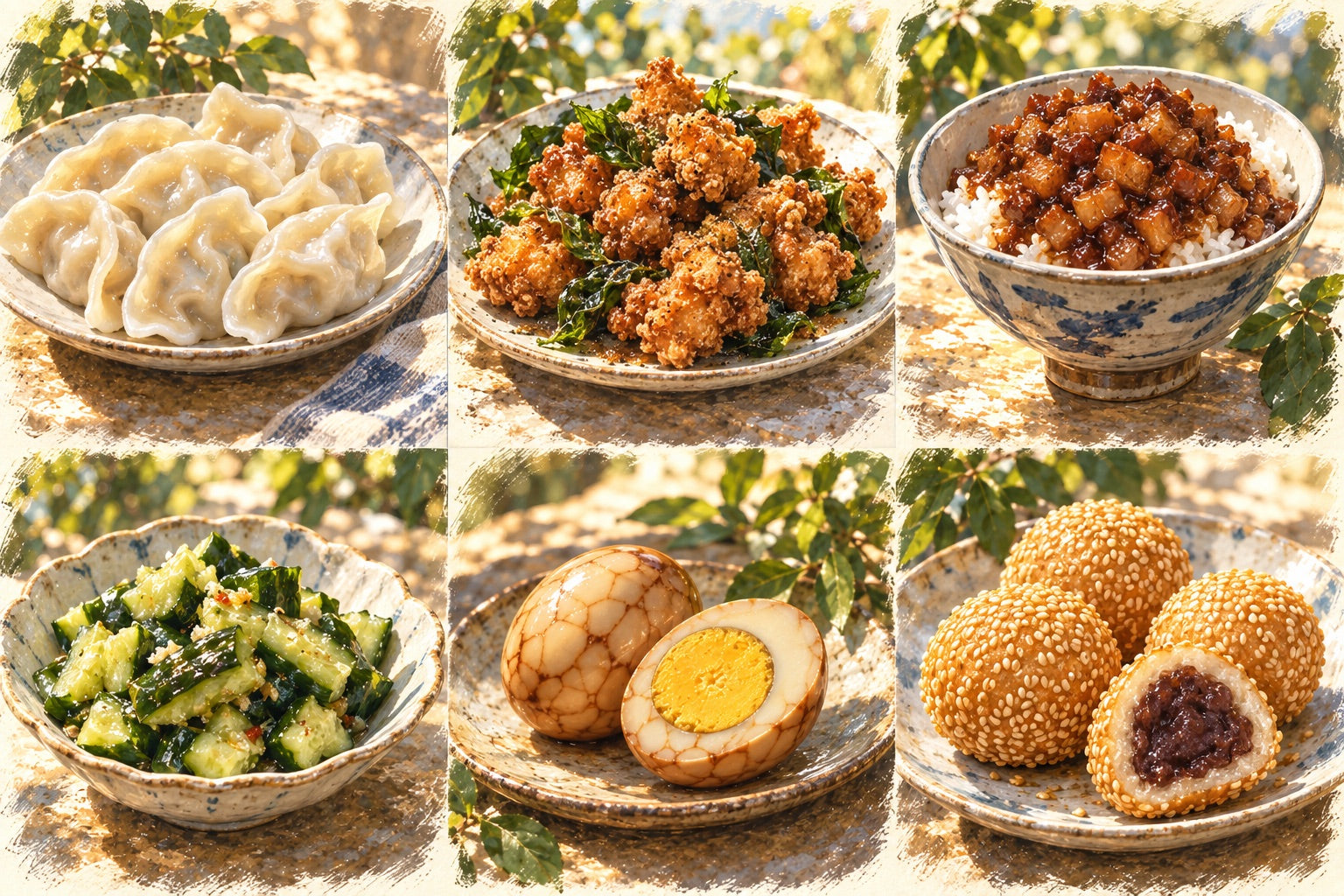
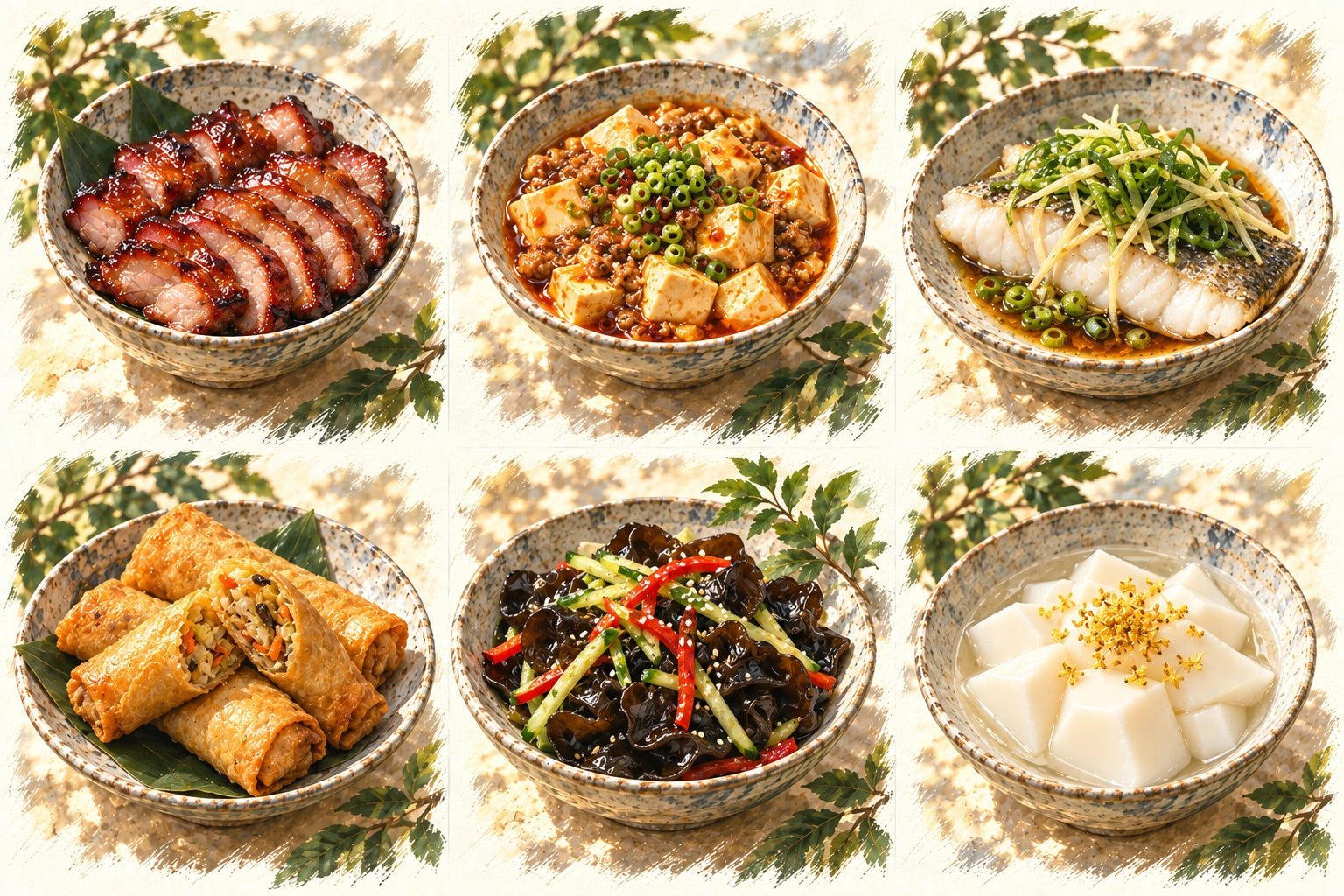
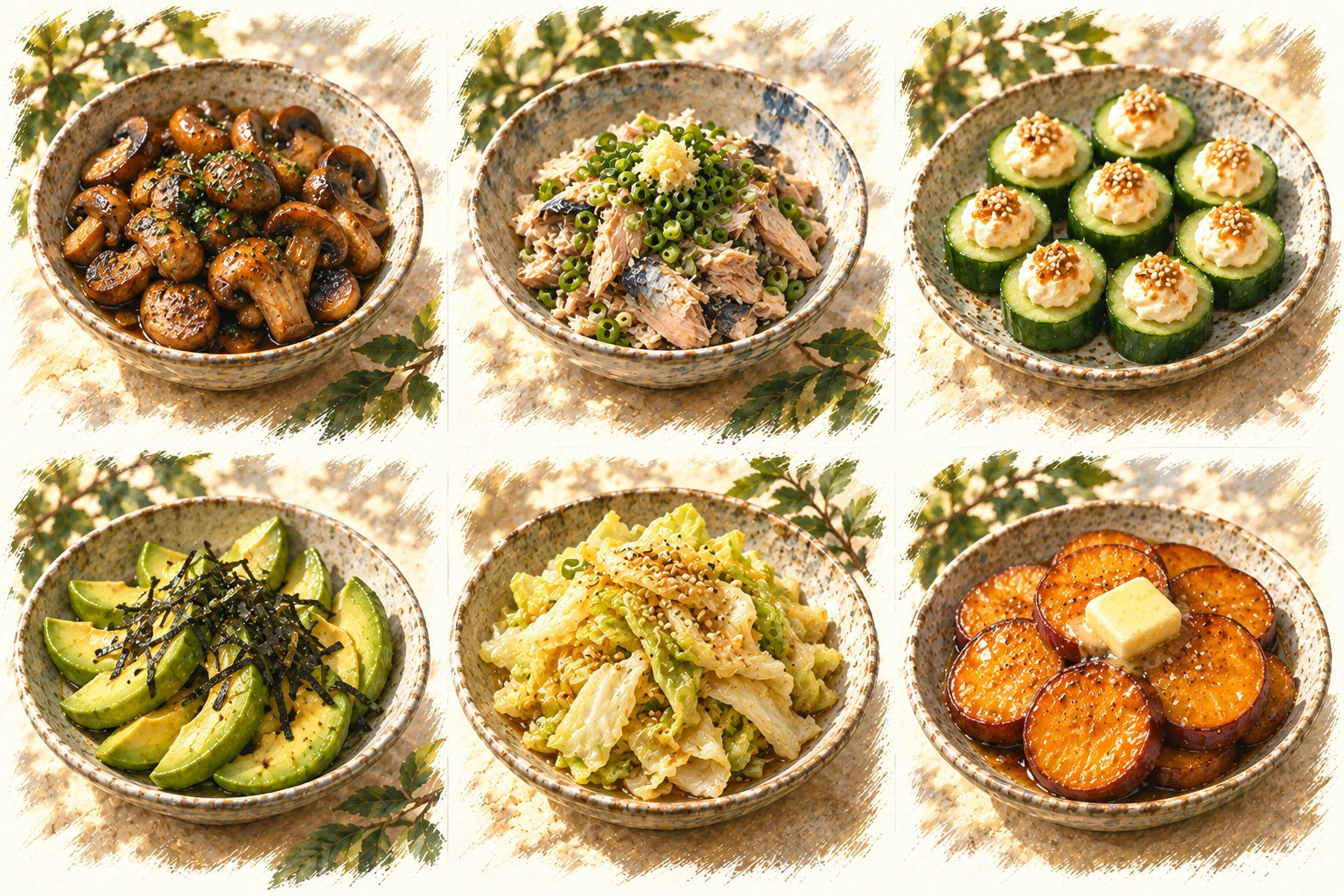
Six Japanese, six Western and six Chinese/Taiwanese dishes selected for this drink category, including familiar snacks and easy dishes to make at home.

Use canned tuna if mackerel is hard to find, spinach instead of bok choy, or a little soy sauce and citrus juice instead of ponzu. Adjust to taste.

Chinese & Taiwanese 6 ideas

Cooked prawns with ginger

Easy home recipe · About 5 min

Ingredients (2 snack portions)
150g cooked peeled prawns, 1 tsp ginger, 1 tbsp spring onion, 1 tsp each sesame oil and soy sauce

Method

  1. Prepare prawns according to the pack and pat dry.
  2. Toss with the remaining ingredients.

Try it withDry cider

Keep the gentle savoury flavours in focus. Sip a little and adjust the strength so the food stays distinct.

Smashed cucumber

Dress crushed cucumber with a little salt and sesame oil; go easy on garlic and vinegar.

Try it withDry cider

Try a lighter serving with green aromas and salt. Keep sharply acidic dressings modest at first.

Tomato and egg stir-fry

Easy home recipe · About 10 min

Ingredients (2 snack portions)
1 tomato, 2 eggs, 2 tsp oil, a pinch of salt

Method

  1. Scramble the beaten eggs in oil and set aside.
  2. Stir-fry chopped tomato for 2–3 minutes.
  3. Return the eggs and cook until fully set
  4. season.

Try it withChilled, semi-sweet fruit wine

Taste a little of the aromatic drink alongside the dish’s richness and umami. Adjust temperature or dilution if it dominates.

Mango with coconut milk

Easy home recipe · About 5 min

Ingredients (2 snack portions)
200g mango flesh, 80ml ready-to-use coconut milk

Method

  1. Dice the mango.
  2. Pour over coconut milk and serve cool.

Try it withA small pour of sweet fruit wine

A small after-dinner experiment: alternate a bite and a sip, checking that bitterness does not overwhelm the sweetness.

Almond tofu pudding

A small ready-made cup works. Try it without fruit sauce first for a gentle sweetness.

Try it withA small pour of sweet fruit wine

A small after-dinner experiment: alternate a bite and a sip, checking that bitterness does not overwhelm the sweetness.

Vegetable spring rolls

Cook frozen rolls as directed; enjoy the crisp pastry with sauce on the side.

Try it withDry cider

Try a fresher serving against the rich coating and oil. Serve chilli sauce separately to make comparison easier.

Japanese 6 ideas

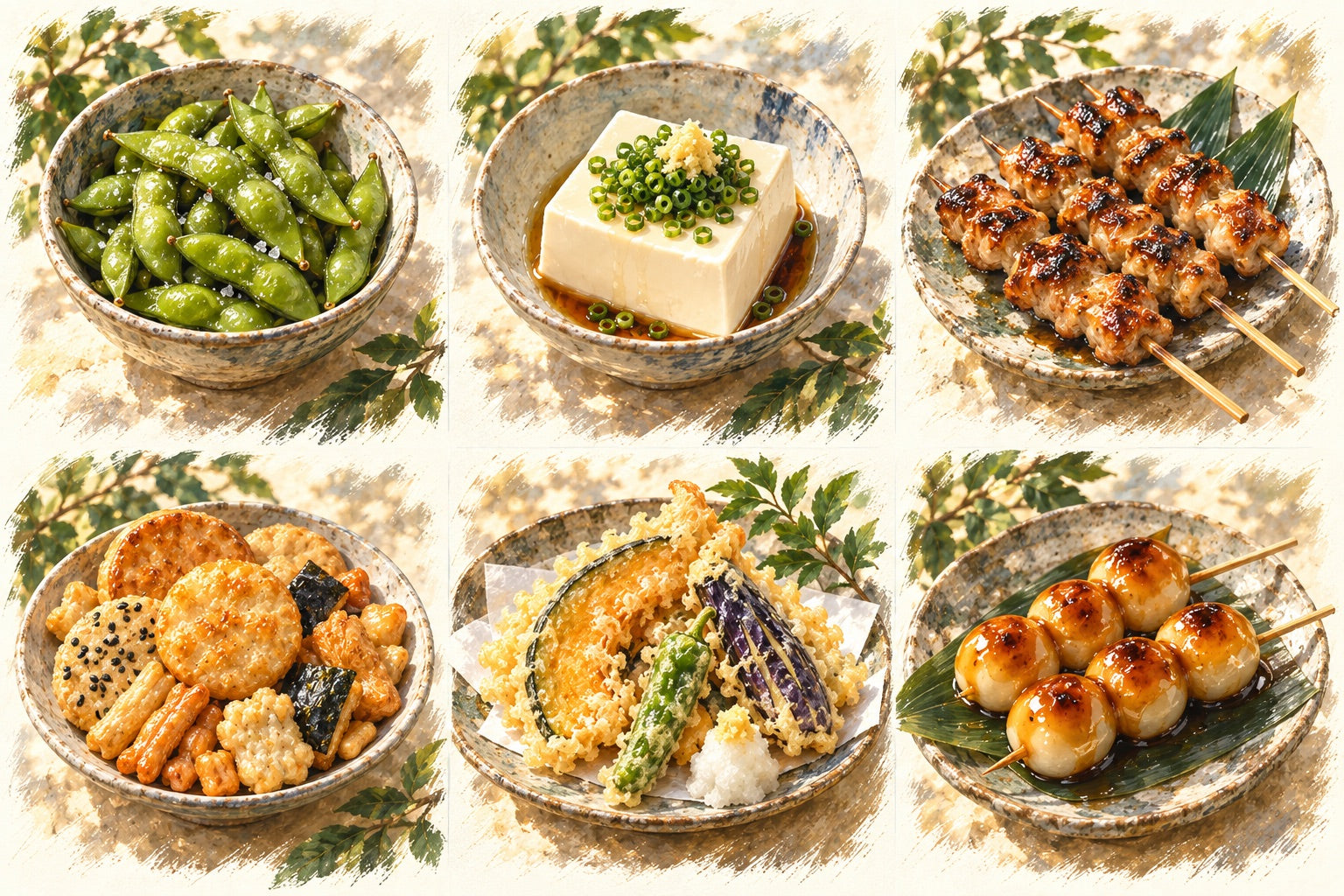
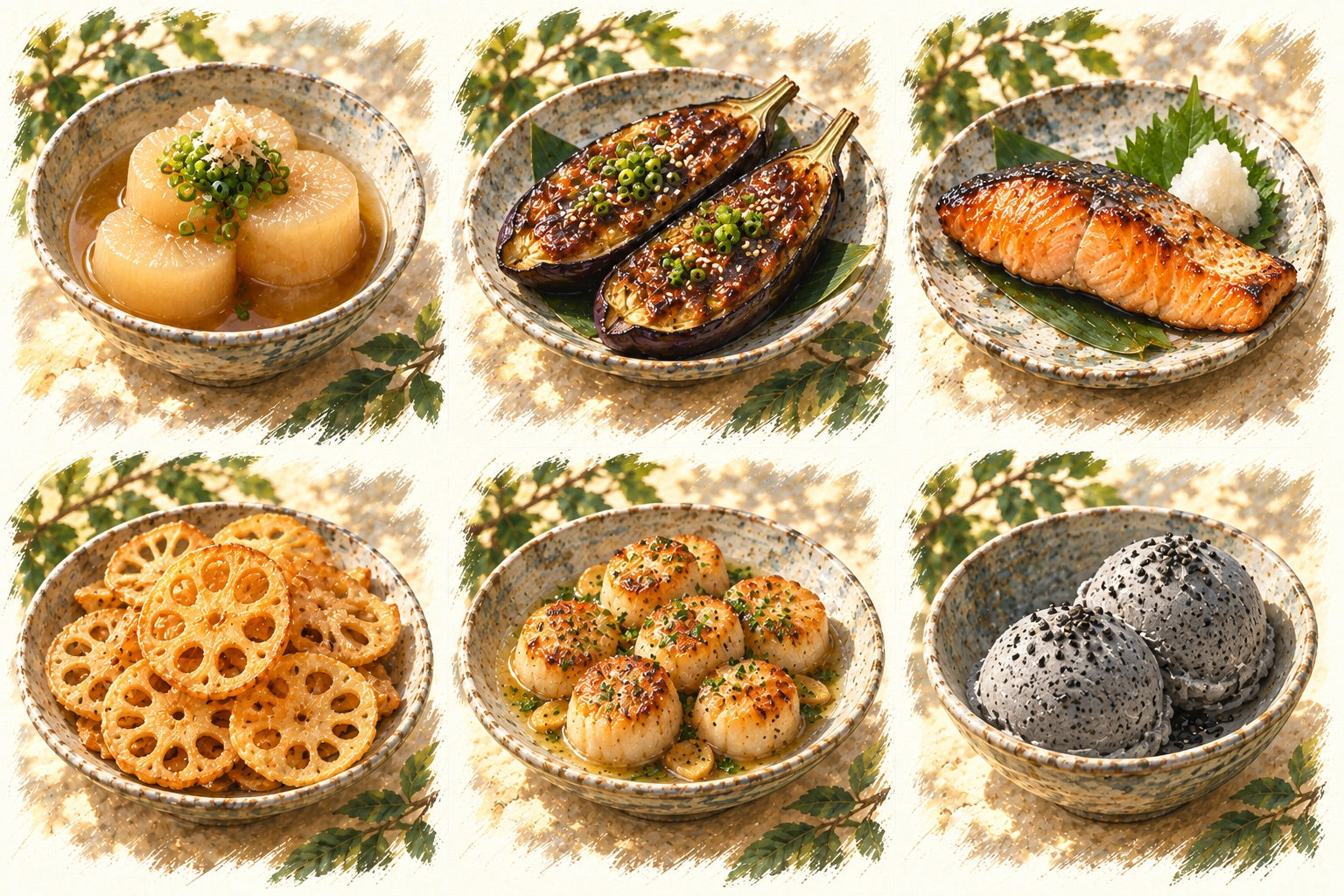
Steamed cabbage with ponzu

Easy home recipe · About 10 min

Ingredients (2 snack portions)
200g cabbage, 2 tbsp water, 2 tsp ponzu

Method

  1. Put chopped cabbage and water in a pan
  2. cover and steam for 3–4 minutes.
  3. Drain and toss with ponzu.

Try it withDry cider

Try a lighter serving with green aromas and salt. Keep sharply acidic dressings modest at first.

Avocado with nori

Easy home recipe · About 5 min

Ingredients (2 snack portions)
1 avocado, 1/2 sheet roasted nori, 1 tsp soy sauce

Method

  1. Cut the avocado.
  2. Toss with soy sauce and top with torn nori.

Try it withDry cider

Try a lighter serving with green aromas and salt. Keep sharply acidic dressings modest at first.

Sweet potato with butter

Easy home recipe · About 5 min

Ingredients (2 snack portions)
200g ready-cooked sweet potato, 10g butter

Method

  1. Warm the sweet potato following the pack instructions.
  2. Cut into pieces and top with butter.

Try it withA small pour of sweet fruit wine

A small after-dinner experiment: alternate a bite and a sip, checking that bitterness does not overwhelm the sweetness.

Chilled silken tofu

Top soft tofu with spring onion and ginger; keep soy sauce light.

Try it withDry cider

Keep the gentle savoury flavours in focus. Sip a little and adjust the strength so the food stays distinct.

Lotus-root crisps

Serve a shop-bought handful in a bowl; start with lightly salted crisps.

Try it withDry cider

Try a fresher serving against the rich coating and oil. Serve chilli sauce separately to make comparison easier.

Black sesame ice cream

A small scoop of shop-bought ice cream brings roasted sesame aromas after dinner.

Try it withA small pour of sweet fruit wine

A small after-dinner experiment: alternate a bite and a sip, checking that bitterness does not overwhelm the sweetness.

Western food & easy snacks 6 ideas

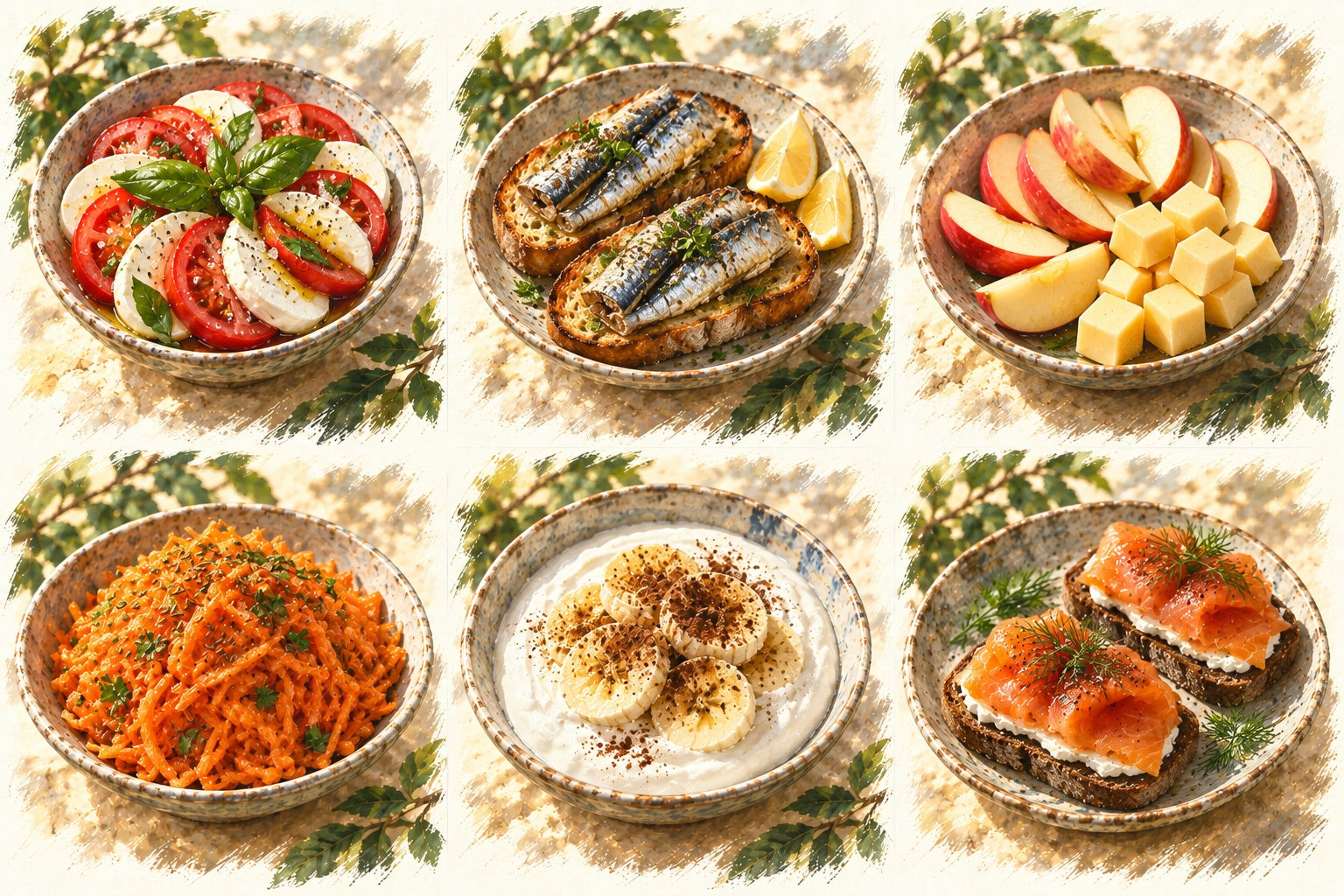
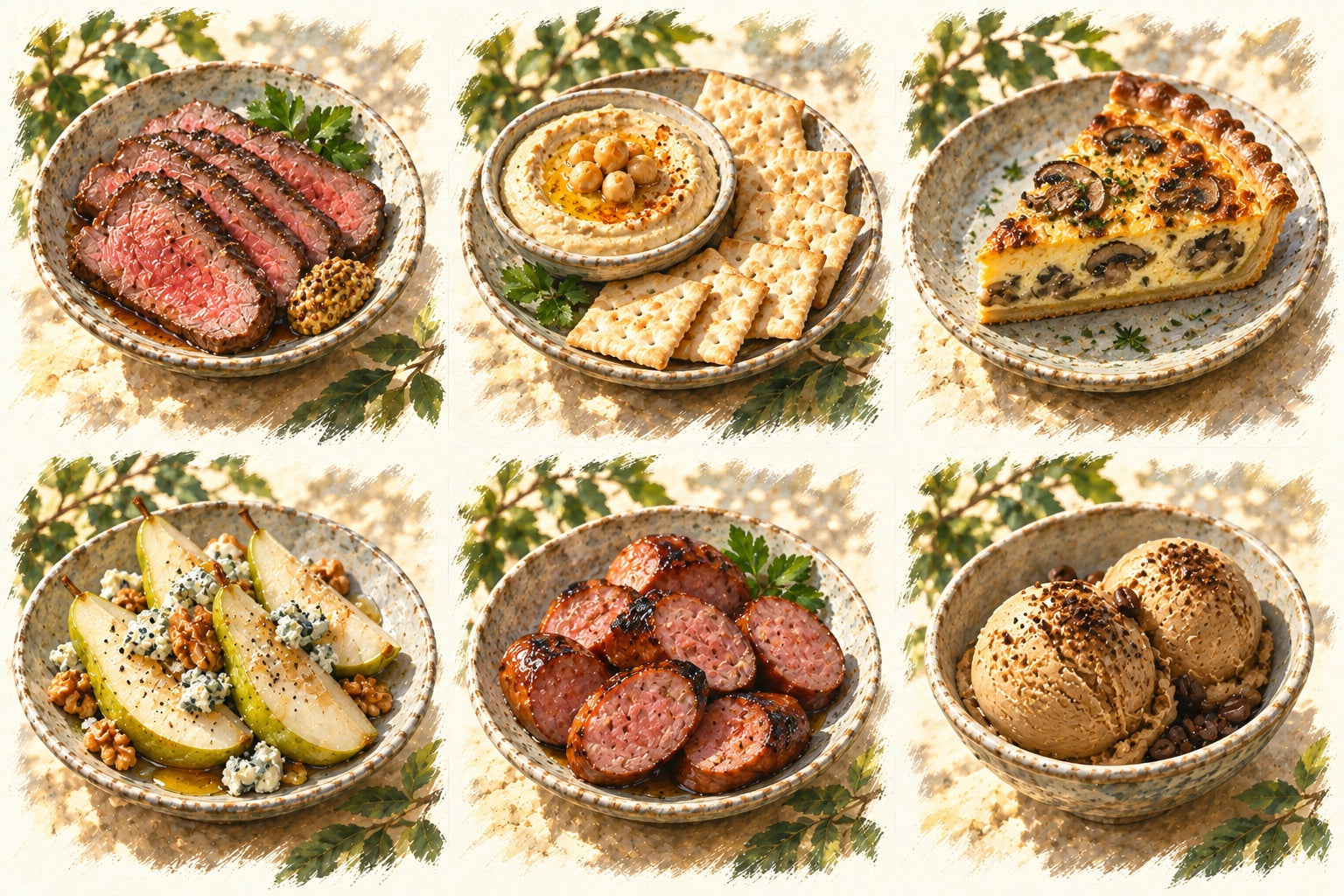
Apple and Gouda

Easy home recipe · About 5 min

Ingredients (2 snack portions)
1/2 apple, 60g Gouda

Method

  1. Slice the apple and cut the cheese into bites.
  2. Arrange together.

Try it withDry cider

Try a lighter serving with green aromas and salt. Keep sharply acidic dressings modest at first.

Tomato and mozzarella

Easy home recipe · About 5 min

Ingredients (2 snack portions)
1 tomato, 100g mozzarella, 4 basil leaves, 1 tsp olive oil

Method

  1. Slice and arrange the tomato and cheese.
  2. Add basil and olive oil.

Try it withDry cider

Try a lighter serving with green aromas and salt. Keep sharply acidic dressings modest at first.

Banana yogurt with cocoa

Easy home recipe · About 5 min

Ingredients (2 snack portions)
1 banana, 150g plain yogurt, 1 tsp unsweetened cocoa

Method

  1. Slice the banana.
  2. Add to the yogurt and dust lightly with cocoa.

Try it withA small pour of sweet fruit wine

A small after-dinner experiment: alternate a bite and a sip, checking that bitterness does not overwhelm the sweetness.

Mushroom quiche

Warm a deli or frozen portion following its instructions; focus on mushroom and egg richness.

Try it withChilled, semi-sweet fruit wine

Taste a little of the aromatic drink alongside the dish’s richness and umami. Adjust temperature or dilution if it dominates.

Pear and blue cheese

Add a little blue cheese to ripe pear, alternating fruit sweetness and salt.

Try it withChilled, semi-sweet fruit wine

Taste a little of the aromatic drink alongside the dish’s richness and umami. Adjust temperature or dilution if it dominates.

Hummus and crackers

Shop-bought hummus with plain crackers highlights chickpeas and sesame richness.

Try it withChilled, semi-sweet fruit wine

Taste a little of the aromatic drink alongside the dish’s richness and umami. Adjust temperature or dilution if it dominates.

1 tsp = 5ml; 1 tbsp = 15ml. Times are approximate.

Illustrations show serving ideas. Seasoning and the style of the drink will change the pairing.