ABV
Varies by product; check the label
Check the bottle for its alcohol content. When mixing, consider both the measure and the mixer.

DRINKS JOURNAL
Baijiu is a grain spirit made in China and Taiwan, based mainly on sorghum, fermented with a starter culture and then distilled. Kinmen kaoliang is the best known in Taiwan, where production and labelling fall under the Tobacco and Alcohol Administration Act.
No listed product currently matches this category. Ask us about products in this category. →
Explore aroma, texture and serving style to find what you enjoy.
Varies by product; check the label
Check the bottle for its alcohol content. When mixing, consider both the measure and the mixer.
Varies by product; check the label
Sweet aromas and sugar are different clues. Colour alone does not tell you sweetness.
Depends on the drink and its mixers
Distinguish acidity in the drink itself from acidity added by juice or mixers.
Grain and fermentation aromas
Ideas for describing aromas; illustrated ingredients are not present in every product.
Light — Full
A light finish or a rounded texture? Temperature and dilution can change the impression.
Small cup, small pours and water alongside
Start with the producer’s serving advice, then adjust temperature or water a little at a time.
The bands show dimensions of taste, not scores or positions for individual products.
THE DETAILS
Baijiu brings together diverse Chinese grain spirits with regional production traditions. Sorghum-based kaoliang is particularly familiar in Taiwan, including bottles associated with Kinmen, banquets and gift-giving. Its clear appearance should not be mistaken for neutrality: fermentation and maturation can create powerful, distinctive aromas. Strength alone says little about how two bottles will taste.
Qu is a fermentation starter involving microbial communities that help transform grain starch and support fermentation. It should not simply be equated with Japanese rice koji. Many baijiu traditions use largely solid-state fermentation, making the production environment and handling especially important. Terms such as light aroma, strong aroma and sauce aroma offer a way into the subject, while leaving considerable variation within each style.
Check the stated alcohol level and begin with a small pour. There is no need to treat rapid drinking as the correct way to appreciate the spirit. Water or soda can change how aromas are perceived. When pairing with braised or grilled food, adjust the serving so the spirit complements rather than overwhelms the dish. Aroma style and personal preference are more useful than choosing by strength alone.
Further reading: Kinmen Kaoliang Liquor · Museum · WSET · Spirits specification

 Q-Na
Q-Na Joanne
In Taiwan and China it is usually drunk from small cups, in small amounts, alongside food. It cuts through oily or strongly seasoned dishes. Strength is high, so it helps to keep water on the table and alternate.
AT THE TABLE
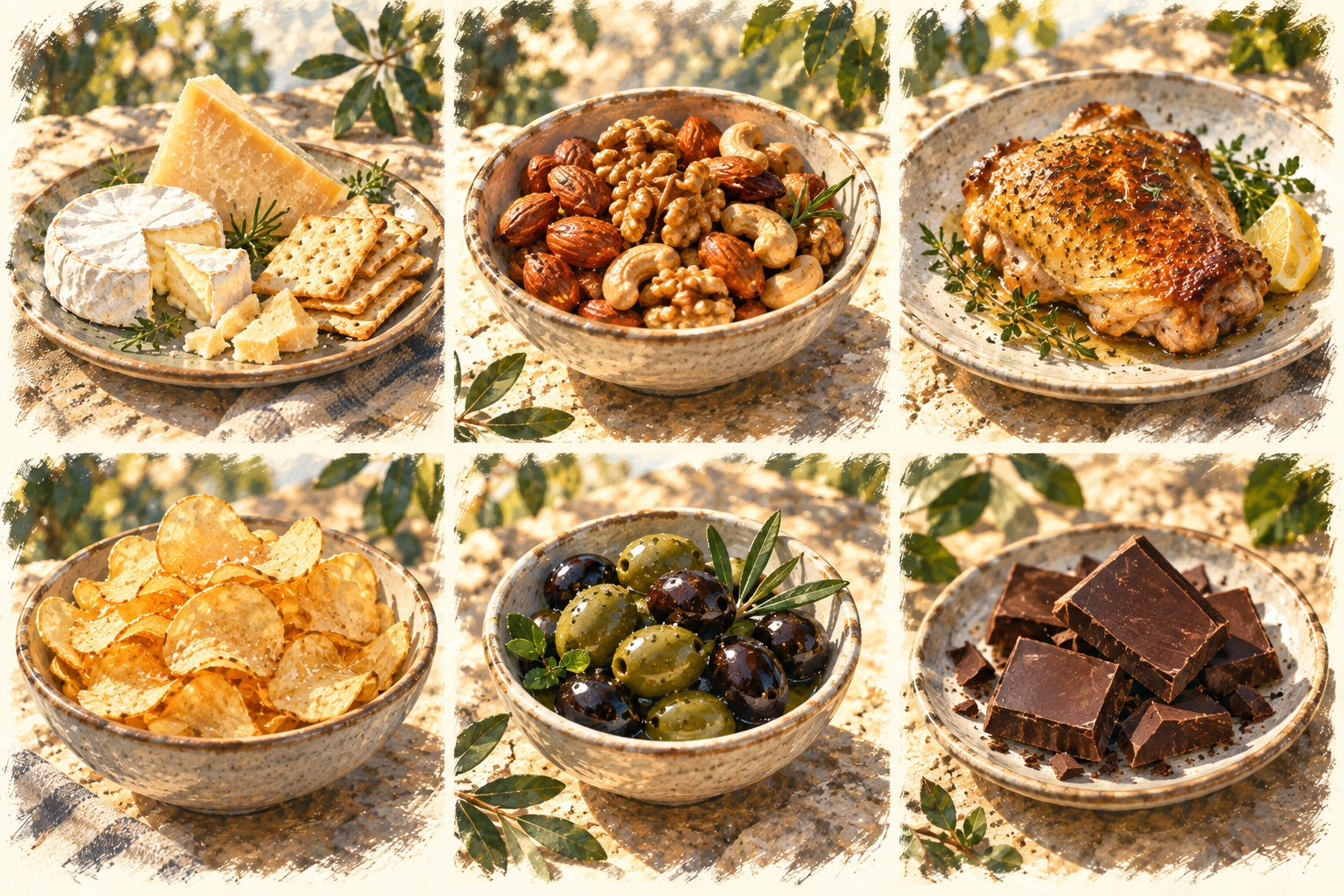
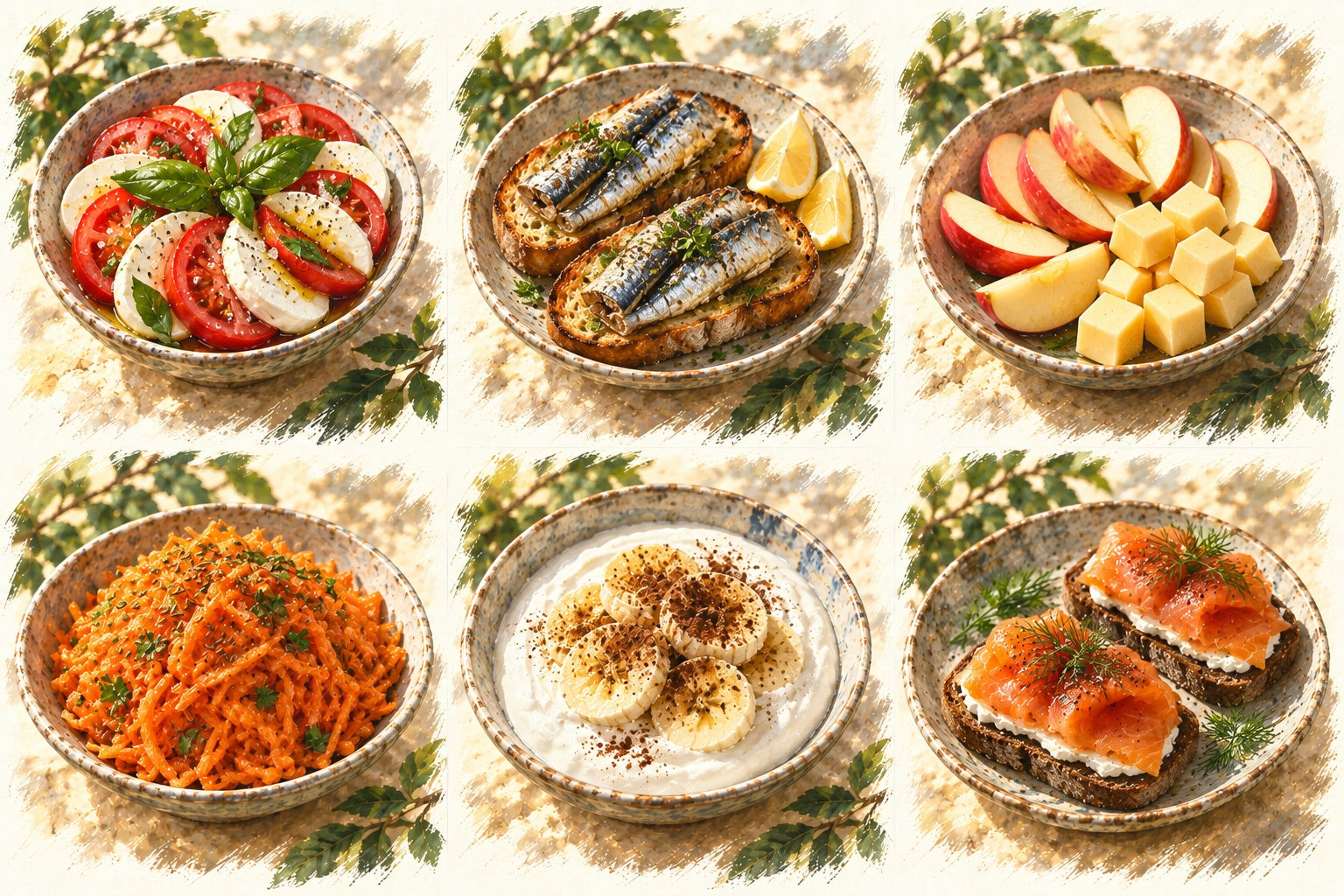
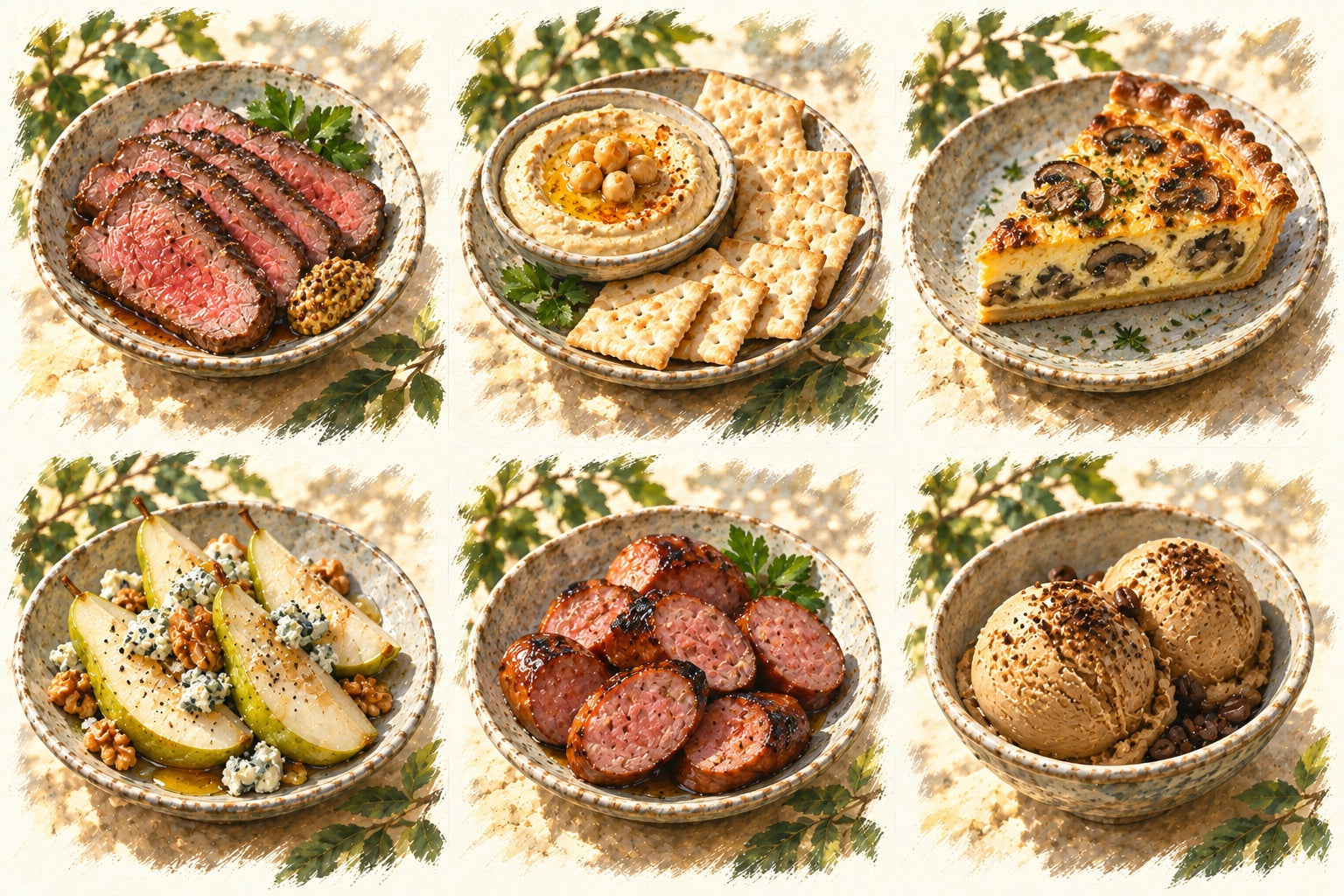
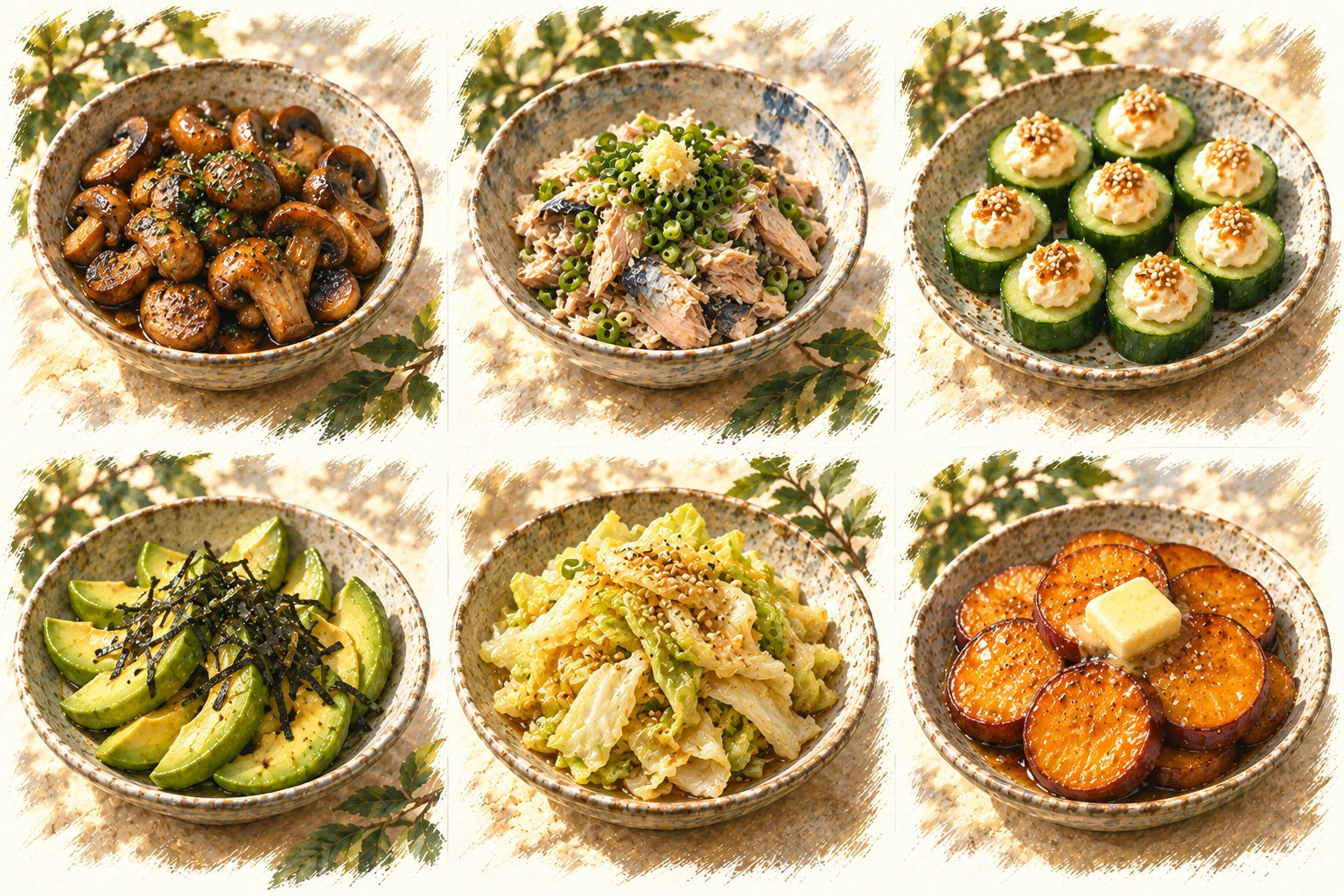
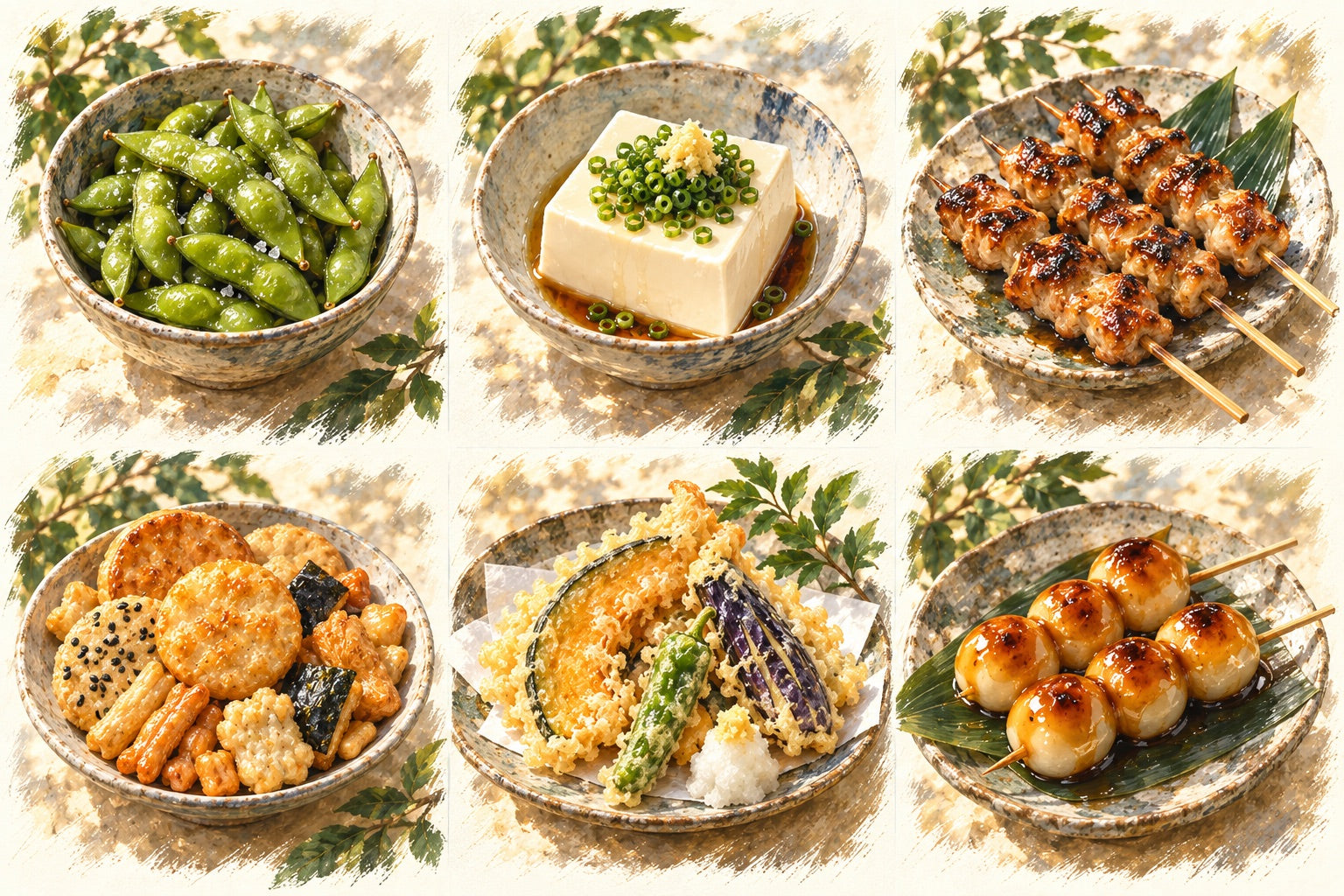
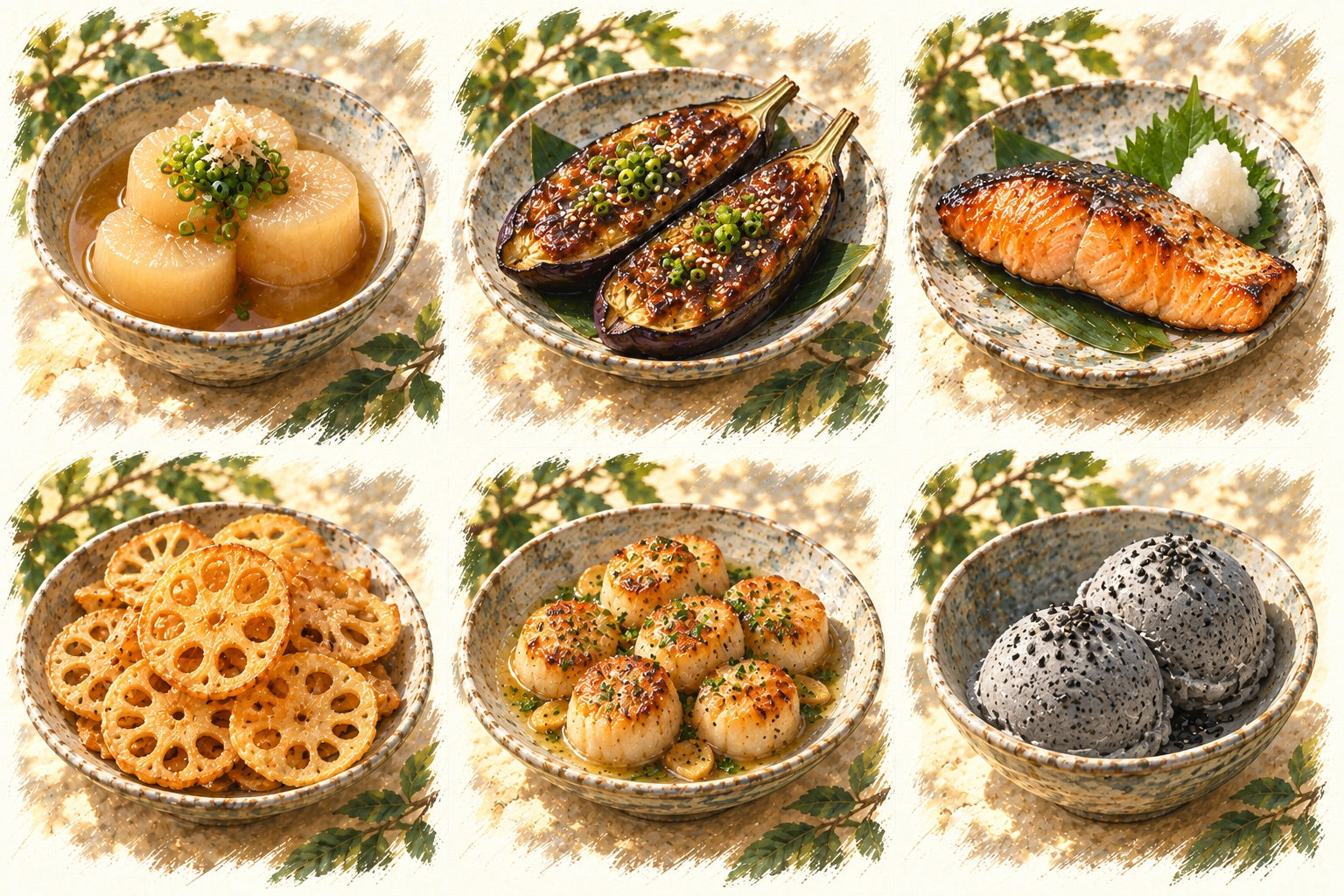
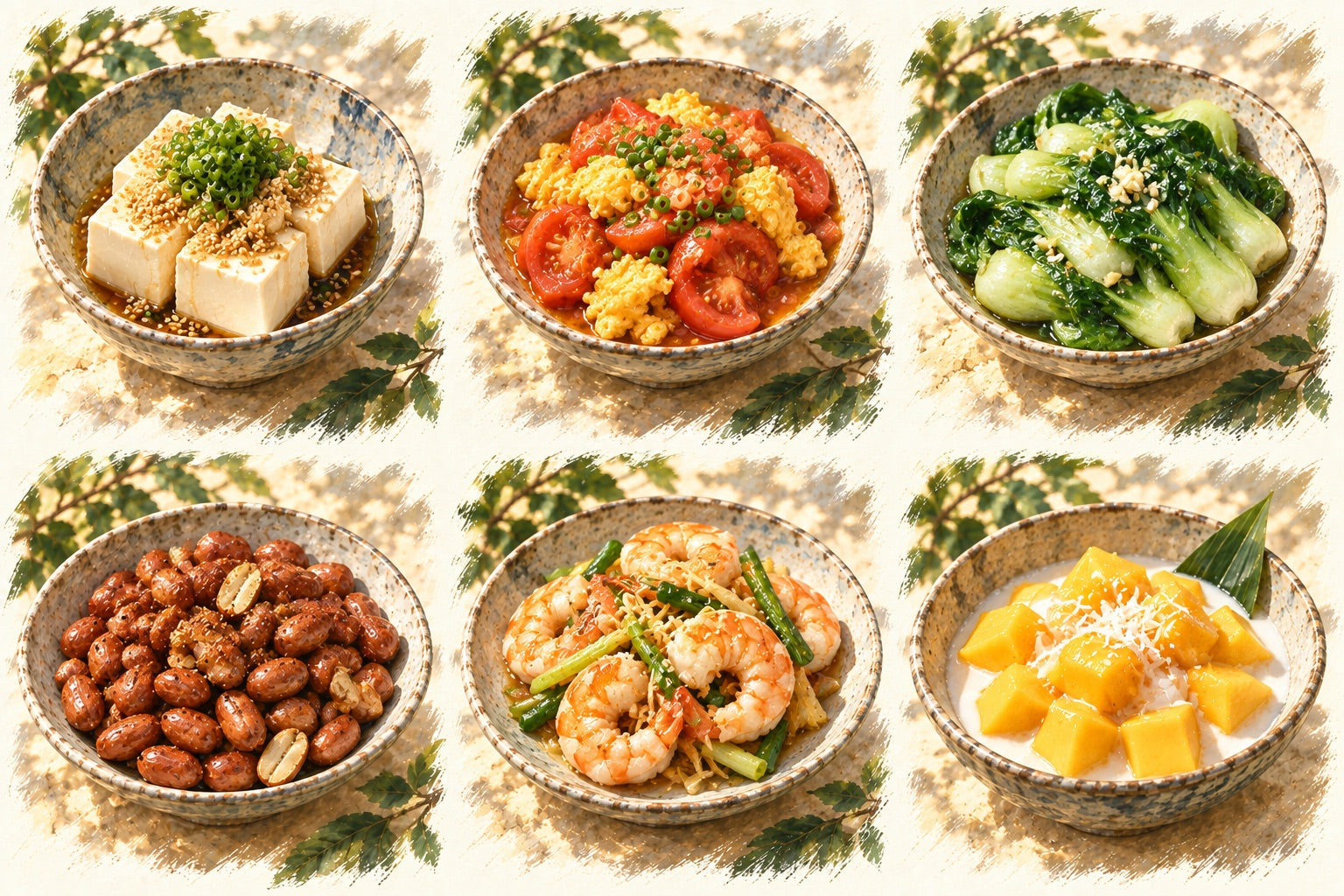
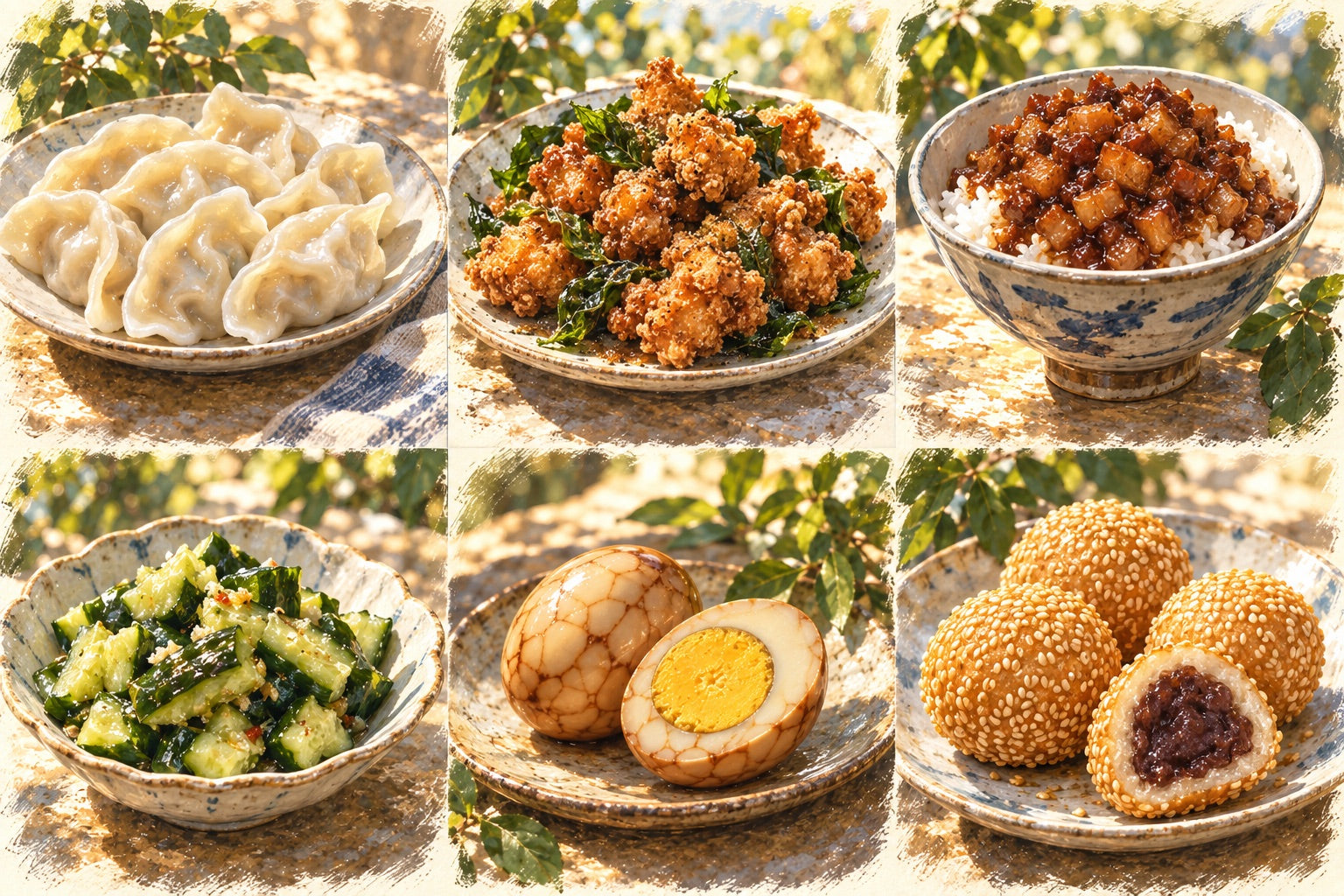
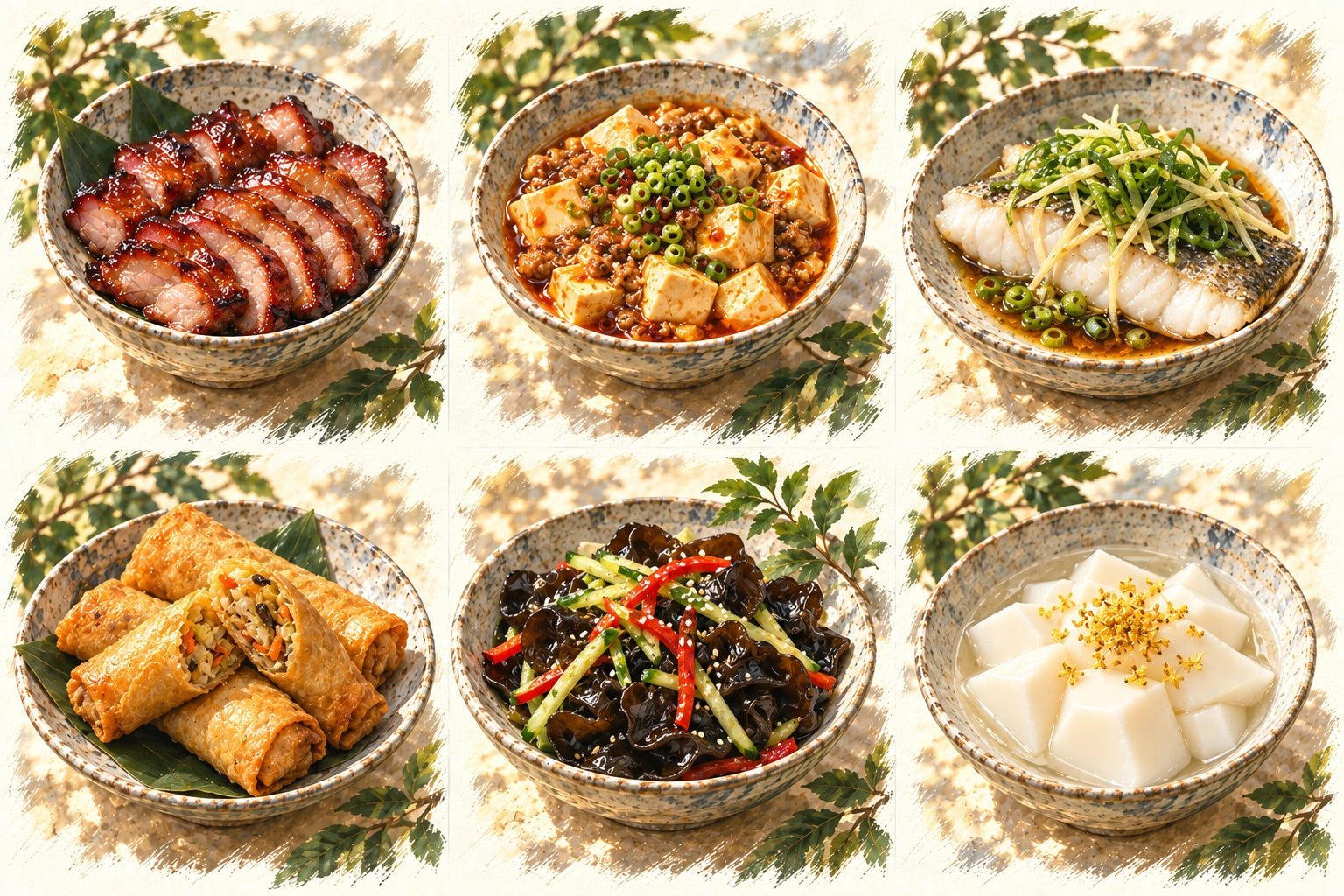
Six Japanese, six Western and six Chinese/Taiwanese dishes selected for this drink category, including familiar snacks and easy dishes to make at home.
Use canned tuna if mackerel is hard to find, spinach instead of bok choy, or a little soy sauce and citrus juice instead of ponzu. Adjust to taste.
Start with unsalted almonds and walnuts, focusing on the roast rather than flavoured coatings.
Try it withA small pour of strong-aroma baijiu, water alongside
Explore the food’s grilled or toasted notes alongside the drink’s aroma. Start with moderate char and salt.
A supermarket roast is fine. Let the herbs and browned skin lead, with sauce on the side.
Try it withA small pour of strong-aroma baijiu, water alongside
Explore the food’s grilled or toasted notes alongside the drink’s aroma. Start with moderate char and salt.
Ingredients (2 snack portions)
1 carrot, 2 tsp olive oil, 1 tsp lemon juice, a pinch of cumin
Method
Try it withA small pour of light-aroma baijiu, water alongside
Try a lighter serving with green aromas and salt. Keep sharply acidic dressings modest at first.
Ingredients (2 snack portions)
100g drained canned sardines, 2 slices bread, 1 tsp lemon juice
Method
Try it withA small pour of strong-aroma baijiu, water alongside
Taste a little of the aromatic drink alongside the dish’s richness and umami. Adjust temperature or dilution if it dominates.
Use thin deli slices. Serve sauce or mustard separately.
Try it withA small pour of strong-aroma baijiu, water alongside
Explore the food’s grilled or toasted notes alongside the drink’s aroma. Start with moderate char and salt.
Choose a fully cooked product and follow its instructions; keep hot sauces light.
Try it withA small pour of strong-aroma baijiu, water alongside
Taste a little of the aromatic drink alongside the dish’s richness and umami. Adjust temperature or dilution if it dominates.
Ingredients (2 snack portions)
150g drained canned mackerel, 1 tsp grated ginger, 1 tbsp chopped spring onion
Method
Try it withA small pour of strong-aroma baijiu, water alongside
Taste a little of the aromatic drink alongside the dish’s richness and umami. Adjust temperature or dilution if it dominates.
Ingredients (2 snack portions)
150g mushrooms, 10g butter, 1 tsp soy sauce
Method
Try it withA small pour of strong-aroma baijiu, water alongside
Explore the food’s grilled or toasted notes alongside the drink’s aroma. Start with moderate char and salt.
Ingredients (2 snack portions)
50g cream cheese, 1 tsp miso, 1/2 cucumber
Method
Try it withA small pour of strong-aroma baijiu, water alongside
Taste a little of the aromatic drink alongside the dish’s richness and umami. Adjust temperature or dilution if it dominates.
Top soft tofu with spring onion and ginger; keep soy sauce light.
Try it withA small pour of light-aroma baijiu, water alongside
Keep the gentle savoury flavours in focus. Sip a little and adjust the strength so the food stays distinct.
A deli portion works well. Look for sweet-savoury miso and a lightly grilled surface.
Try it withA small pour of strong-aroma baijiu, water alongside
Taste a little of the aromatic drink alongside the dish’s richness and umami. Adjust temperature or dilution if it dominates.
A ready-cooked portion works too. Pair the shellfish sweetness and buttery richness.
Try it withA small pour of strong-aroma baijiu, water alongside
Explore the food’s grilled or toasted notes alongside the drink’s aroma. Start with moderate char and salt.
Ingredients (2 snack portions)
80g unsalted roasted peanuts, 1/2 tsp sesame oil, a pinch of five-spice powder
Method
Try it withA small pour of strong-aroma baijiu, water alongside
Explore the food’s grilled or toasted notes alongside the drink’s aroma. Start with moderate char and salt.
Sweet-savoury braised pork over rice. Adjust the drink to the strength of the sauce and star anise.
Try it withA small pour of strong-aroma baijiu, water alongside
Taste a little of the aromatic drink alongside the dish’s richness and umami. Adjust temperature or dilution if it dominates.
Frozen dumplings are practical. Taste the wrapper and filling before adding vinegar or chilli oil.
Try it withA small pour of light-aroma baijiu, water alongside
Keep the gentle savoury flavours in focus. Sip a little and adjust the strength so the food stays distinct.
Ingredients (2 snack portions)
2 bok choy, 1 garlic clove, 2 tsp oil, 2 tbsp water, a pinch of salt
Method
Try it withA small pour of light-aroma baijiu, water alongside
Try a lighter serving with green aromas and salt. Keep sharply acidic dressings modest at first.
A ready-made sauce helps; start mild and focus on tofu and savoury meat.
Try it withA small pour of strong-aroma baijiu, water alongside
Taste a little of the aromatic drink alongside the dish’s richness and umami. Adjust temperature or dilution if it dominates.
Thin deli slices offer a sweet-savoury glaze and rich pork flavour.
Try it withA small pour of strong-aroma baijiu, water alongside
Taste a little of the aromatic drink alongside the dish’s richness and umami. Adjust temperature or dilution if it dominates.
1 tsp = 5ml; 1 tbsp = 15ml. Times are approximate.
Illustrations show serving ideas. Seasoning and the style of the drink will change the pairing.