Browse all categories
10 / UMESHU

Umeshu

Q-NaQ-Na

Can the same fruit make different umeshu?

JoanneJoanne

A fruit liqueur made by steeping ume in alcohol with sugar. Unripe or ripe fruit, the base spirit or sake, and maturation all change the result.

Reading sweetness
Balance of plum acidity and sweetness
A way to start
On ice, with soda or warm water

Six clues to your next glass

Explore aroma, texture and serving style to find what you enjoy.

ABV

Around 8–20%; varies by bottle

Check the bottle for its alcohol content. When mixing, consider both the measure and the mixer.

Sweetness

DrySweet

Usually sweet

Sweet aromas and sugar are different clues. Colour alone does not tell you sweetness.

Acidity

GentleBright

Plum acidity

Distinguish acidity in the drink itself from acidity added by juice or mixers.

Aroma

Green or ripe plum, base alcohol

Ideas for describing aromas; illustrated ingredients are not present in every product.

Texture

LightFull

Fresh to rich

A light finish or a rounded texture? Temperature and dilution can change the impression.

Serving

Ice, soda or warm water

Start with the producer’s serving advice, then adjust temperature or water a little at a time.

The bands show dimensions of taste, not scores or positions for individual products.

THE DETAILS

Understand the styles

Keeping a season in a bottle

Umeshu preserves the character of ume fruit through alcohol, sugar and time. A preparation appears in the Edo-period Honcho Shokkan, linking the drink with a long domestic and commercial tradition. A surviving written recipe does not establish a precise invention date. What remains appealing is the transformation of a seasonal fruit into something that can be revisited months later, with each base spirit and method offering a different expression.

Why “plum wine” can be misleading

Typical Japanese umeshu is made by steeping ume and sugar in an alcoholic base, rather than fermenting fruit juice in the way grape wine is made. The base may be a neutral spirit, sake, shochu or brandy. Each contributes its own weight and aroma. Ume itself is often described in English as Japanese plum, but the familiar name should not obscure how the drink is actually produced.

Ripeness, texture and time

Green ume can suggest a fresher profile, while riper fruit may give softer fruit character; variety and extraction also matter. Maturation can change colour and allow flavours to integrate. Cloudy styles with fruit pulp offer another texture, not an automatic step up in quality. When tasting, separate the fruit’s acidity, the sweetness and the base alcohol’s contribution rather than reducing the whole experience to “sweet plum”.

Follow the dilution

Over ice, the balance changes as the cube melts. Unsweetened soda can make a useful food-friendly serve, while some bottles also work with gentle warm-water dilution. With dessert, compare sweetness levels before assuming that two sweet things will always match. Ume’s inviting aroma should not be confused with a soft drink: check the strength and pour a measured amount, then enjoy how the glass develops.

Further reading: CHOYA · History of umeshu · National Tax Agency material · Umeshu culture

Q-NaQ-Na

Green plums and ripe plums make two different drinks

The same fruit gives two results. Hard green plums make a clean, sharp, clear drink. Yellow ripe plums make something sweeter in the nose and thicker in the mouth. Green plums hold their shape and stay clear even after a long steep. Ripe plums have thin, soft skins, so they give more aroma but cloud the liquid and need more care. Commercial umeshu follows the same split, so choose by whether you want brightness or perfume and you will not go far wrong. Soaking green plums in water overnight to draw out the bitterness is what keeps that sharpness clean.

Q-NaQ-Na

Rock sugar is used because it dissolves slowly

Rock sugar in umeshu is not only about sweetness. Fine sugar raises the sugar level straight away, which pulls water out of the plums hard, shrivels them, and ends the process before much aroma has come out. Rock sugar comes in large lumps that sink and dissolve slowly, so the concentration rises bit by bit. The plums have time to give up both water and scent, and the spirit works its way into the fruit in exchange. It is chosen for being slow. Some people add the sugar in stages instead, which helps when you want it less sweet.

AT THE TABLE

Start with the food.

Six Japanese, six Western and six Chinese or Taiwanese ideas: everyday meals, ready-to-serve snacks and a few sweet surprises. Choose the food, then explore a serving style.

Start with supermarket cheese, plain crisps or roast chicken. Frozen edamame and dumplings are practical introductions to the Japanese and Chinese dishes; a tea egg or glazed rice dumpling adds something less expected.

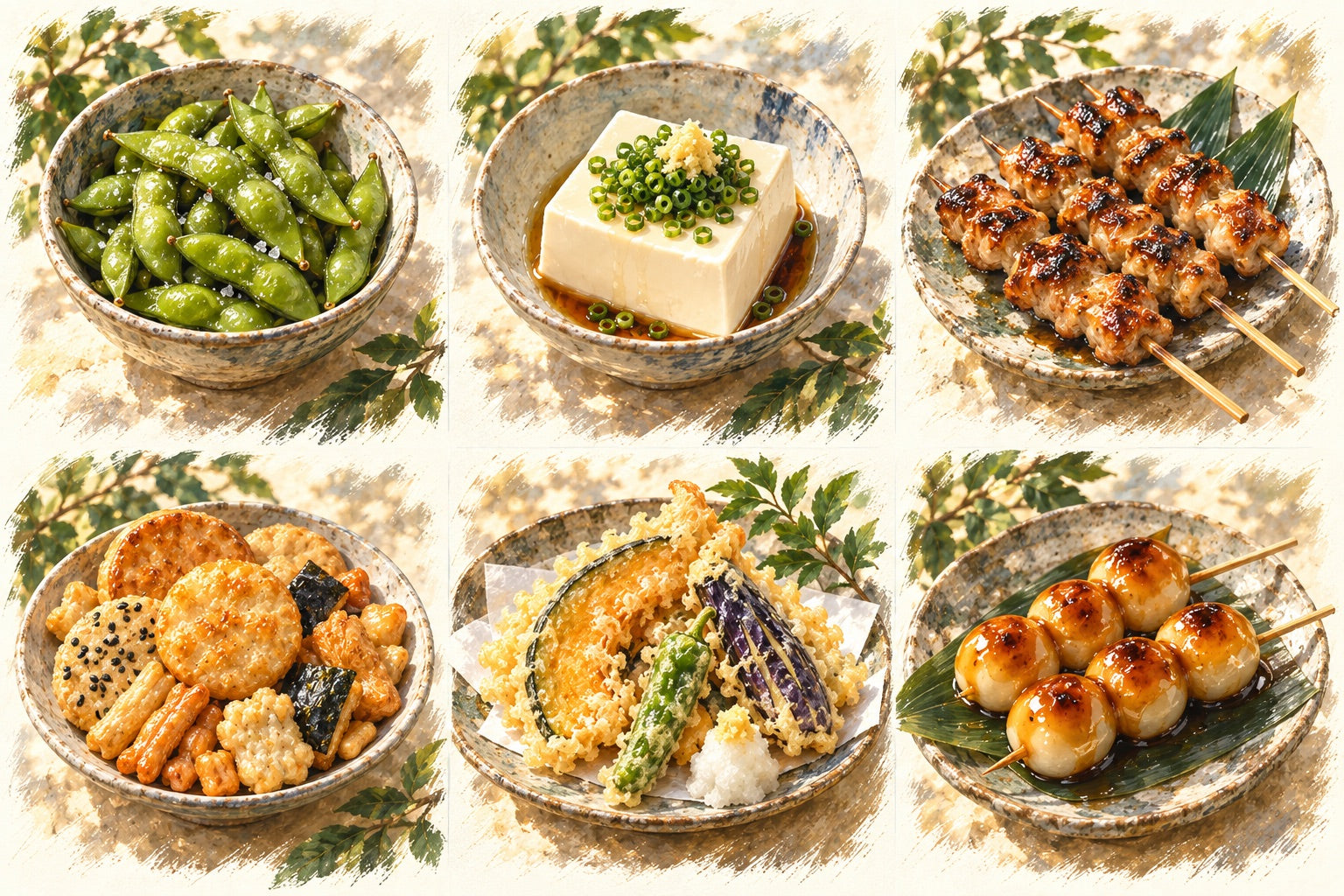
Japanese 6 ideas

Edamame

Frozen pods work well. Use a little salt so the beans keep their gentle sweetness.

Try it withUmeshu with unsweetened soda water

Try a lighter serving with green aromas and salt. Keep sharply acidic dressings modest at first.

Chilled silken tofu

Top soft tofu with spring onion and ginger; keep soy sauce light.

Try it withUmeshu with unsweetened soda water

Keep the gentle savoury flavours in focus. Sip a little and adjust the strength so the food stays distinct.

Yakitori chicken skewers

Ready-cooked skewers work too. Choose salt for a lighter bite or glaze for sweet, savoury char.

Try it withUmeshu over ice

Explore the food’s grilled or toasted notes alongside the drink’s aroma. Start with moderate char and salt.

Japanese rice crackers

Tip a packet into a bowl. Plain salted or soy-seasoned crackers make the toasted rice easy to taste.

Try it withUmeshu over ice

Explore the food’s grilled or toasted notes alongside the drink’s aroma. Start with moderate char and salt.

Vegetable tempura

Try pumpkin, aubergine and green pepper. Begin with salt rather than a heavy dipping sauce.

Try it withUmeshu with unsweetened soda water

Try a fresher serving against the rich coating and oil. Serve chilli sauce separately to make comparison easier.

Mitarashi dango

Skewered rice dumplings with a sweet soy glaze. Try one after dinner with a small pour.

Try it withA small pour of neat umeshu

A small after-dinner experiment: alternate a bite and a sip, checking that bitterness does not overwhelm the sweetness.

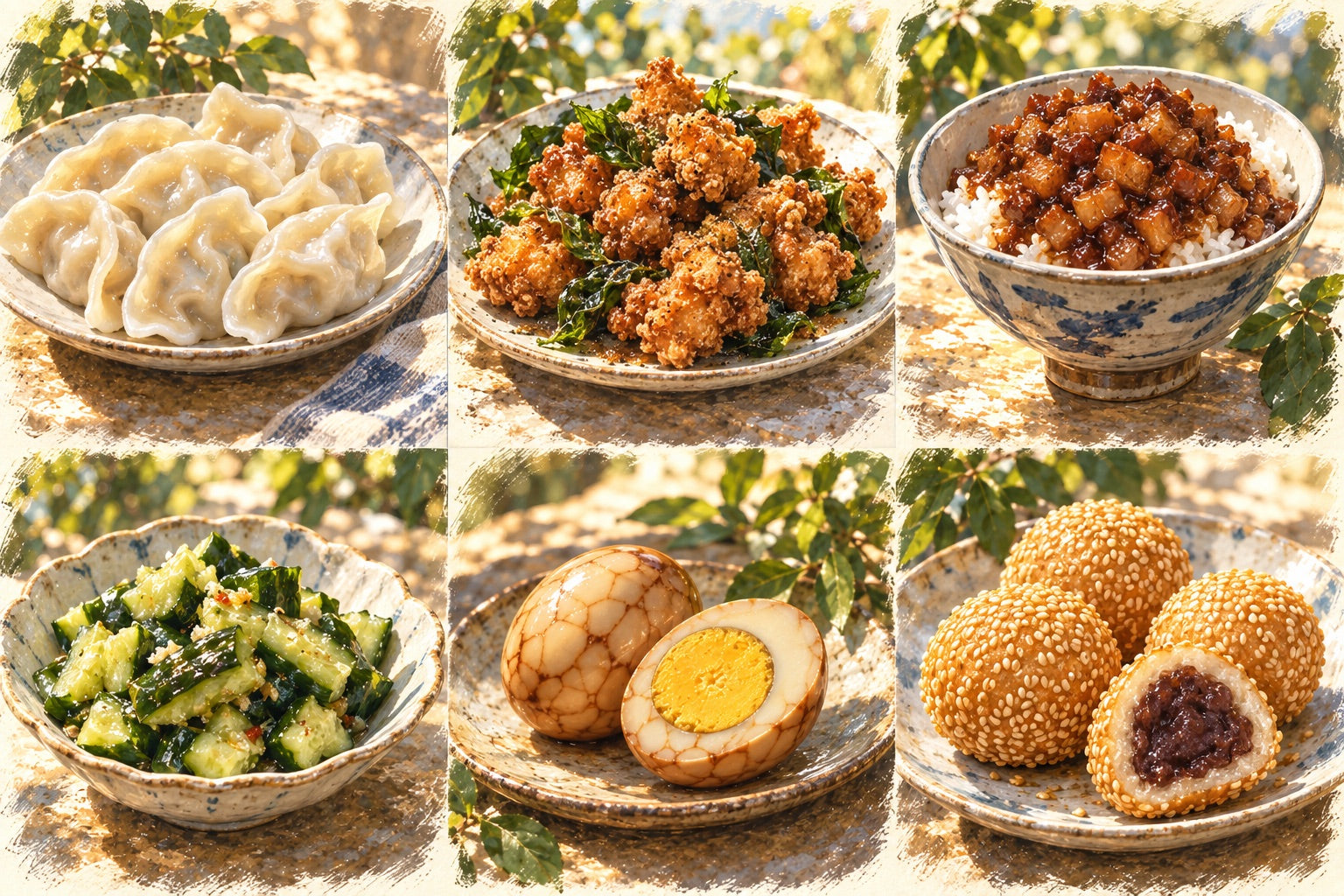
Chinese & Taiwanese 6 ideas

Boiled dumplings

Frozen dumplings are practical. Taste the wrapper and filling before adding vinegar or chilli oil.

Try it withUmeshu with unsweetened soda water

Keep the gentle savoury flavours in focus. Sip a little and adjust the strength so the food stays distinct.

Taiwanese popcorn chicken

Pepper and basil give this fried chicken its character. Plain popcorn chicken with pepper is an easy alternative.

Try it withUmeshu with unsweetened soda water

Try a fresher serving against the rich coating and oil. Serve chilli sauce separately to make comparison easier.

Lu rou fan: braised pork rice

Sweet-savoury braised pork over rice. Adjust the drink to the strength of the sauce and star anise.

Try it withUmeshu over ice

Taste a little of the aromatic drink alongside the dish’s richness and umami. Adjust temperature or dilution if it dominates.

Smashed cucumber

Dress crushed cucumber with a little salt and sesame oil; go easy on garlic and vinegar.

Try it withUmeshu with unsweetened soda water

Try a lighter serving with green aromas and salt. Keep sharply acidic dressings modest at first.

Tea eggs

Eggs simmered with tea and soy. A ready-made soy-marinated egg is an accessible alternative.

Try it withUmeshu over ice

Taste a little of the aromatic drink alongside the dish’s richness and umami. Adjust temperature or dilution if it dominates.

Sesame balls

Ready-made or frozen sesame-coated dumplings work well. Enjoy the sesame and sweet bean filling after dinner.

Try it withA small pour of neat umeshu

A small after-dinner experiment: alternate a bite and a sip, checking that bitterness does not overwhelm the sweetness.

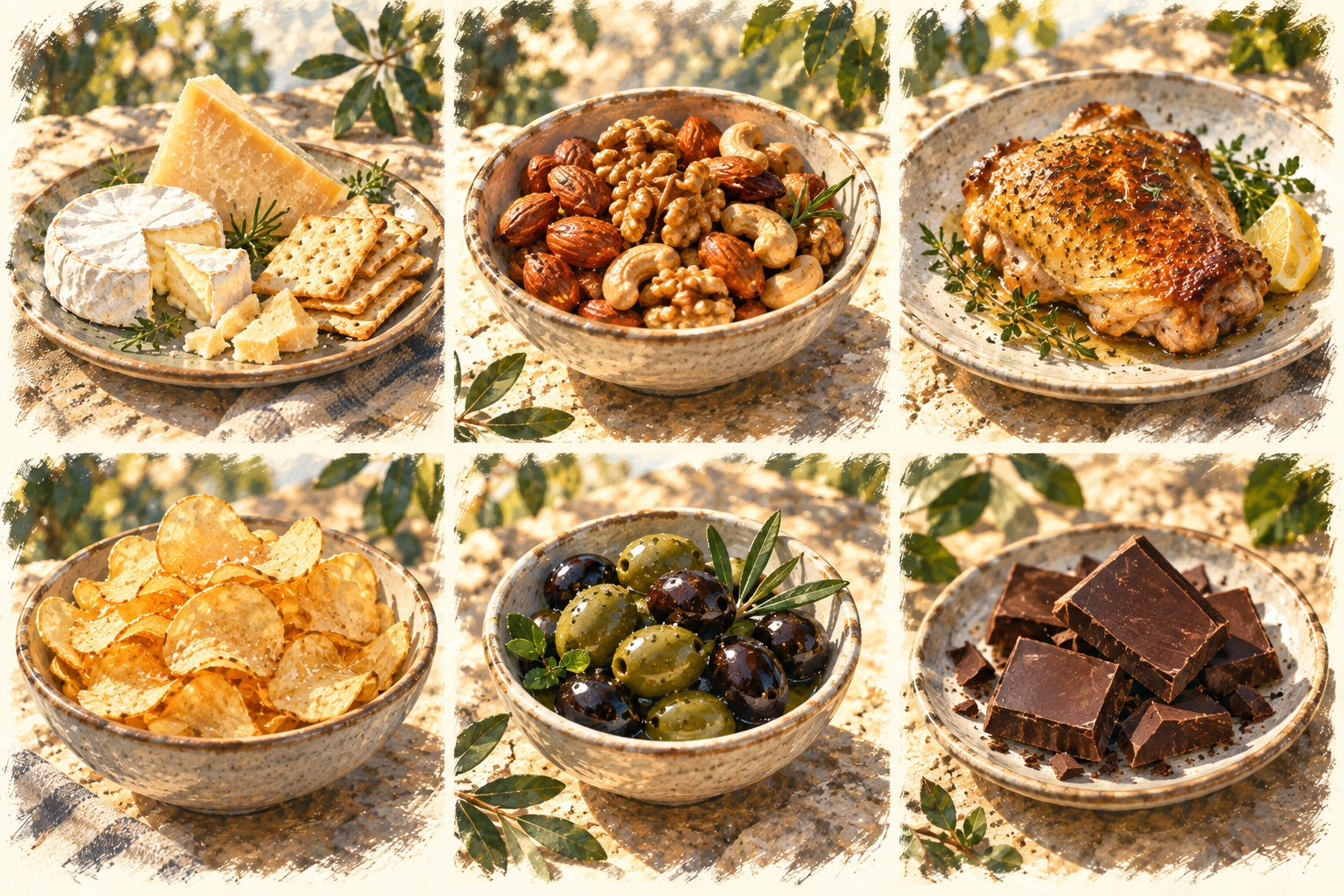
Western food & easy snacks 6 ideas

Cheese board

A local mild hard cheese or soft white cheese is a useful start; compare stronger cheeses later.

Try it withUmeshu over ice

Taste a little of the aromatic drink alongside the dish’s richness and umami. Adjust temperature or dilution if it dominates.

Roasted mixed nuts

Start with unsalted almonds and walnuts, focusing on the roast rather than flavoured coatings.

Try it withUmeshu over ice

Explore the food’s grilled or toasted notes alongside the drink’s aroma. Start with moderate char and salt.

Herb roast chicken

A supermarket roast is fine. Let the herbs and browned skin lead, with sauce on the side.

Try it withUmeshu over ice

Explore the food’s grilled or toasted notes alongside the drink’s aroma. Start with moderate char and salt.

Plain potato crisps

Choose lightly salted chips or crisps. Strong flavour powders can hide the potato's toasted flavour.

Try it withUmeshu with unsweetened soda water

Try a fresher serving against the rich coating and oil. Serve chilli sauce separately to make comparison easier.

Olives

Jarred or deli olives are easy to serve. Drain the brine and taste a few at a time.

Try it withUmeshu with unsweetened soda water

Try a lighter serving with green aromas and salt. Keep sharply acidic dressings modest at first.

Dark chocolate

A bar or individually wrapped pieces both work. Begin with cocoa that is not intensely bitter.

Try it withA small pour of neat umeshu

A small after-dinner experiment: alternate a bite and a sip, checking that bitterness does not overwhelm the sweetness.

Illustrations show serving ideas. Seasoning and the style of the drink will change the pairing.