ABV
Varies by product; check the label
Check the bottle for its alcohol content. When mixing, consider both the measure and the mixer.

DRINKS JOURNAL
Rum is distilled from fermented molasses or fresh sugar cane juice. It is made across much of the world, with the Caribbean and Latin America at the centre. Some is aged in cask, some is bottled unaged.
Explore aroma, texture and serving style to find what you enjoy.
Varies by product; check the label
Check the bottle for its alcohol content. When mixing, consider both the measure and the mixer.
Varies by product; check the label
Sweet aromas and sugar are different clues. Colour alone does not tell you sweetness.
Depends on the drink and its mixers
Distinguish acidity in the drink itself from acidity added by juice or mixers.
Sugar cane, molasses, fruit, oak
Ideas for describing aromas; illustrated ingredients are not present in every product.
Light — Full
A light finish or a rounded texture? Temperature and dilution can change the impression.
Small aged pours, or with soda
Start with the producer’s serving advice, then adjust temperature or water a little at a time.
The bands show dimensions of taste, not scores or positions for individual products.
THE DETAILS
Rum’s history is intertwined with Caribbean sugar production, colonial power and enslaved labour. A purely romantic story of tropical islands leaves out that essential context. Distillers in different places developed distinctive fermentation, distillation and maturation practices, and production now extends well beyond the Caribbean and Latin America, including parts of Asia. A shared crop does not mean a shared flavour: place and process create a remarkably broad category.
Molasses, produced during sugar manufacture, and freshly pressed cane juice are important starting materials. Fermentation builds aroma, while still type and blending help shape the spirit. Some juice-based rums show vivid grassy character, but the ingredient alone cannot predict every bottle. Terms such as rhum agricole should be read alongside the origin and producer’s explanation, rather than treated as a general quality ranking.
A white rum may have been aged and then filtered to remove colour. A dark rum’s appearance does not tell you its age. Nor does a sugar-cane origin mean that the finished spirit must taste sweet; sweetening practices differ between products. Separate ripe-fruit aromas, grassy notes, oak spice and actual sweetness when tasting. Those distinctions are more informative than expecting all white or dark rums to behave alike.
A lighter style can work with lime and soda, while an oak-influenced rum may be enjoyable in a small neat pour. Neither is a rule that confines a bottle to one use. Chocolate, baked desserts and savoury grilled food offer different pairing experiments. MARINE’s RUM, GOD’s Rum and the coconut-crab rum featured here share a category, not an identical recipe or sweetness level. Read their individual product descriptions before carrying assumptions from one bottle to another.
Further reading: WSET · Rum styles, origins and traditions · Society of Wine Educators · Rum history notes
 Q-Na
Q-Na Joanne
Aged rum works neat at room temperature; lighter styles show better with soda or lime. Even within one origin, molasses and cane juice taste like different drinks, so it is worth checking how a bottle was made before choosing.
AT THE TABLE
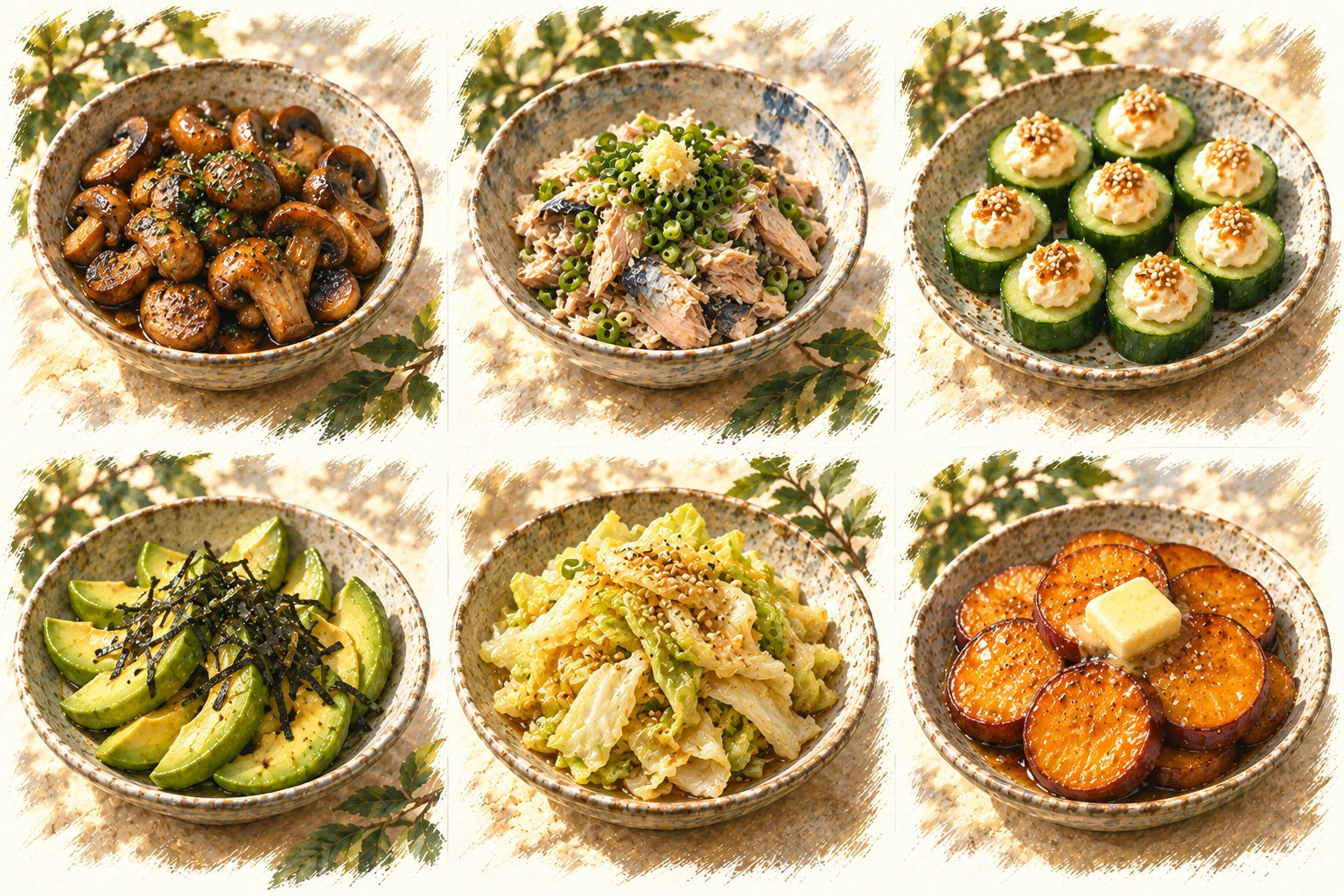
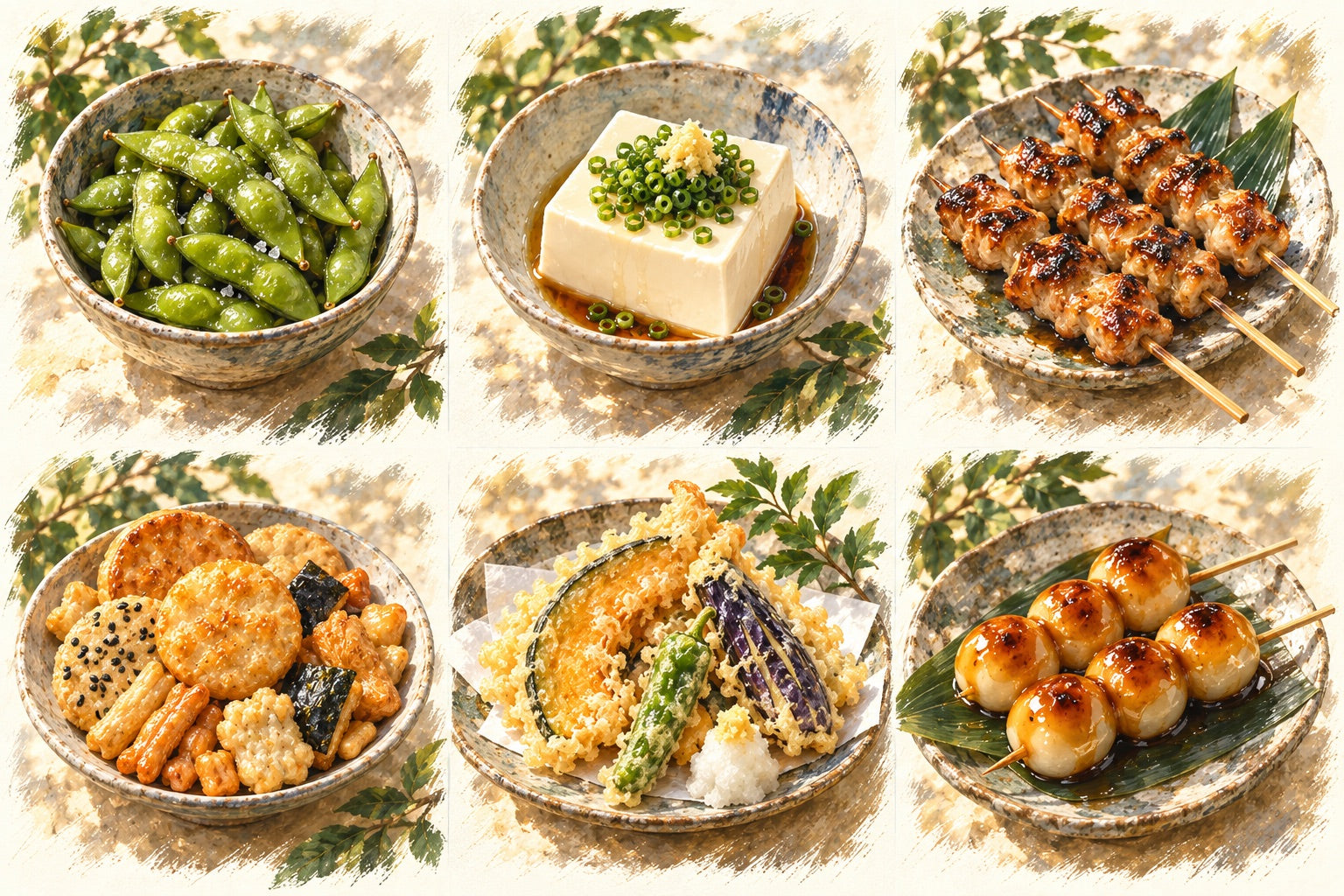
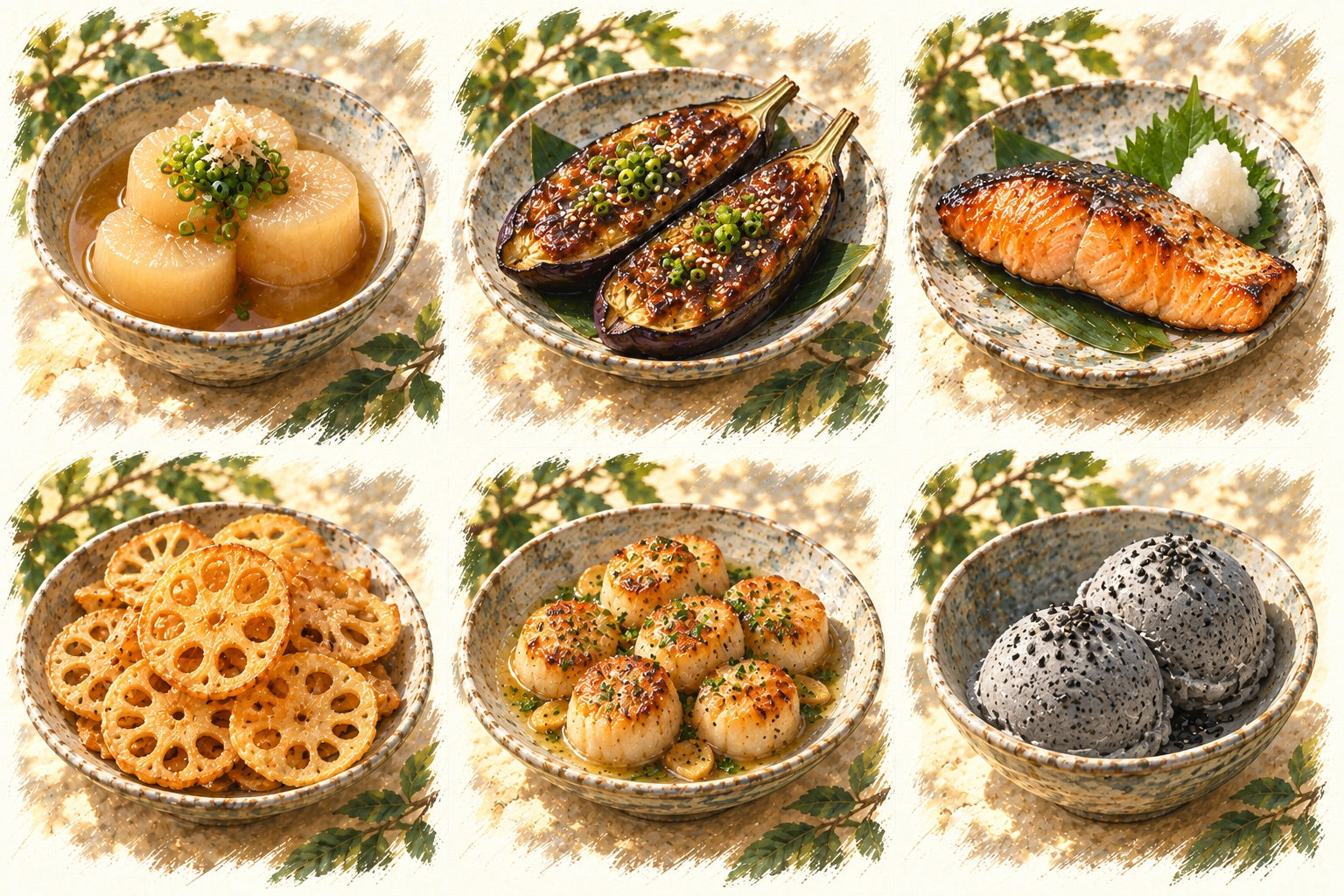
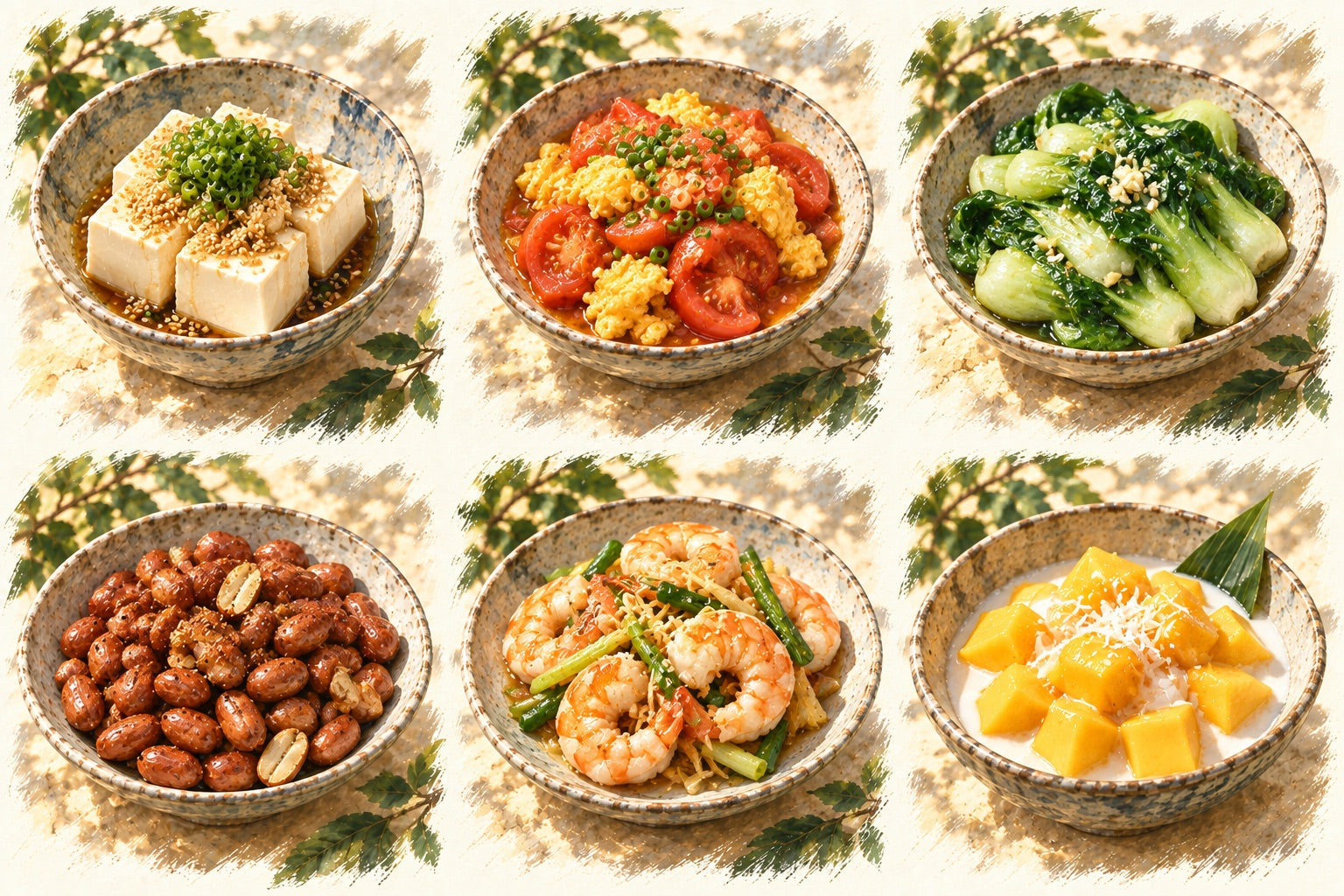
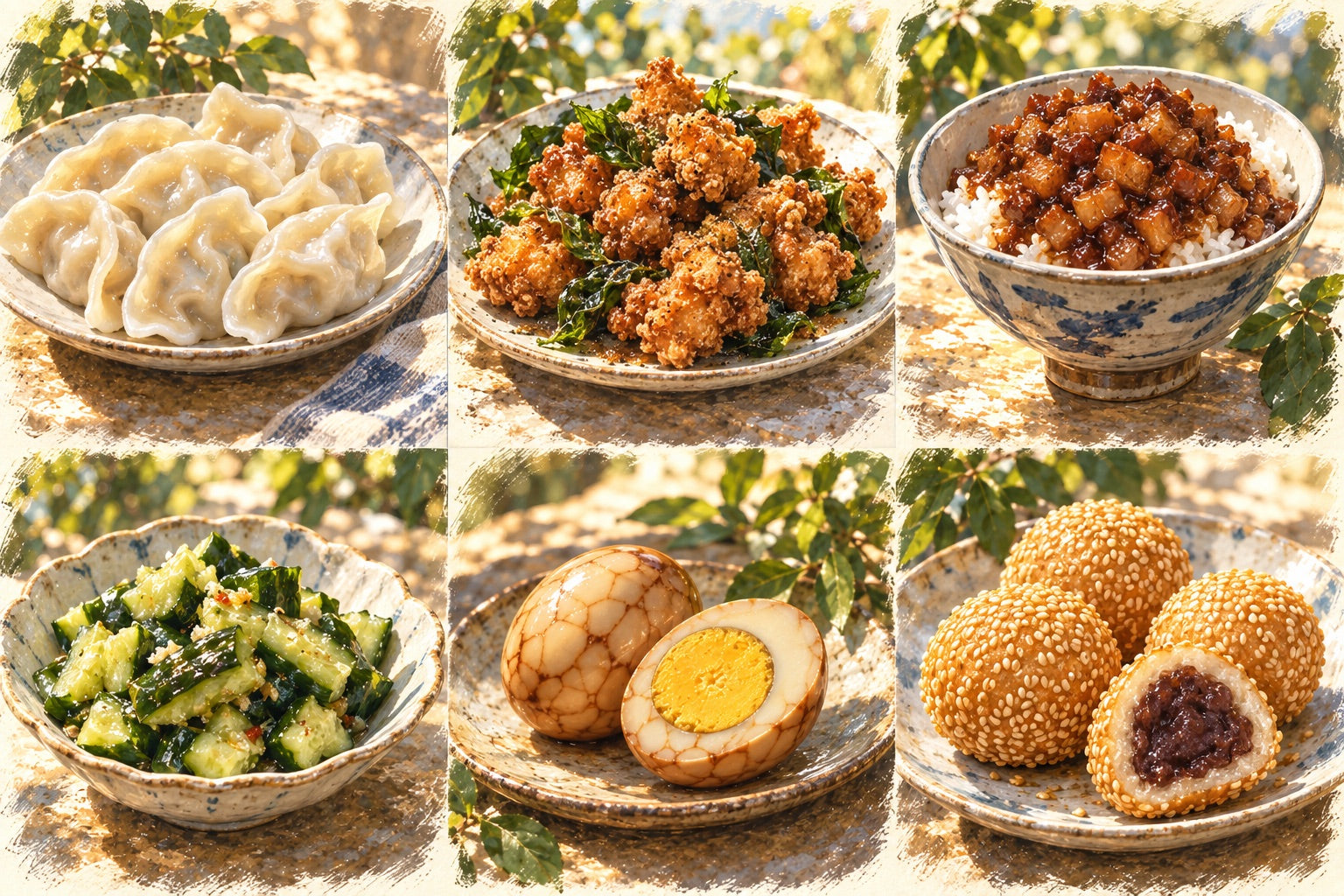
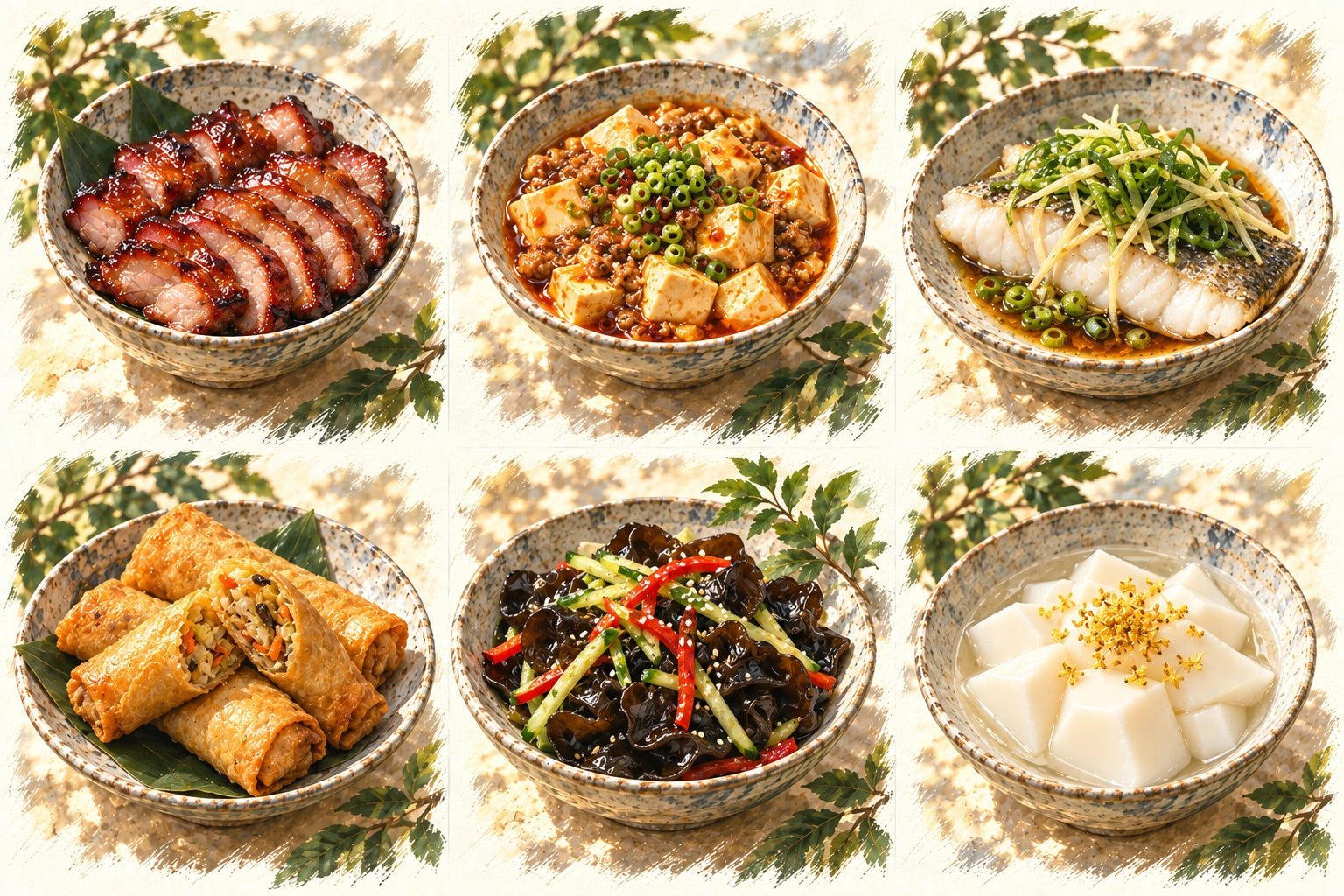
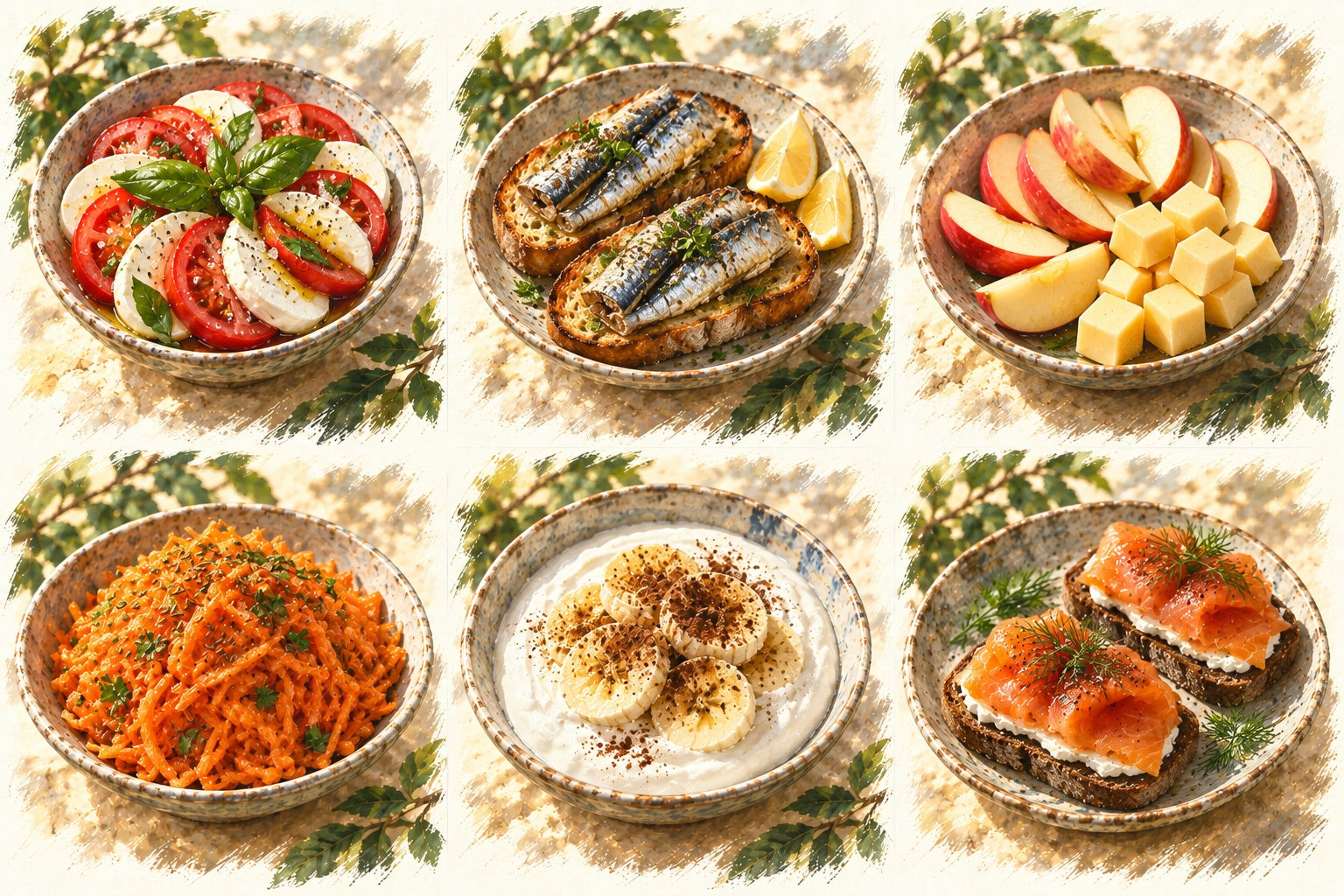
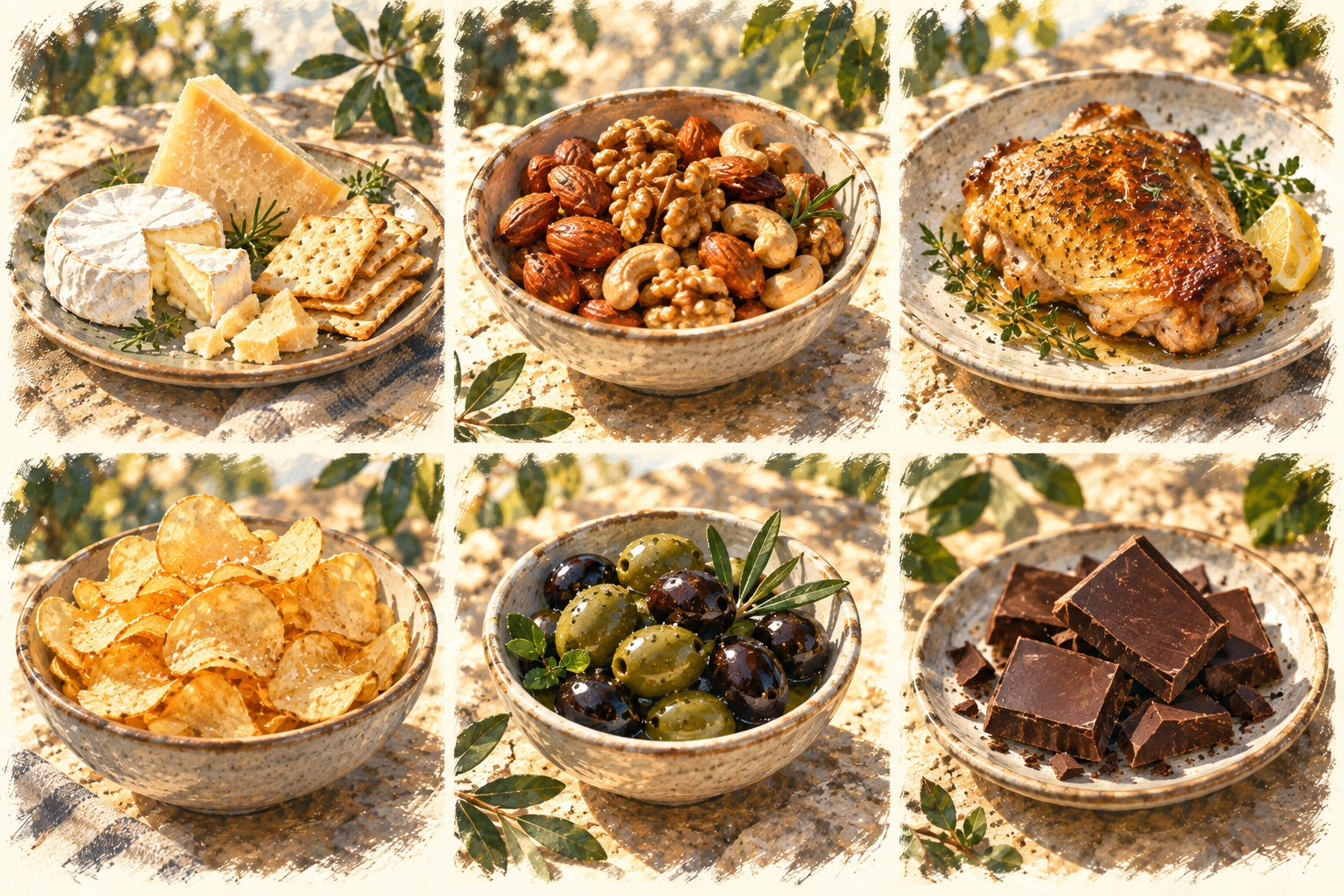
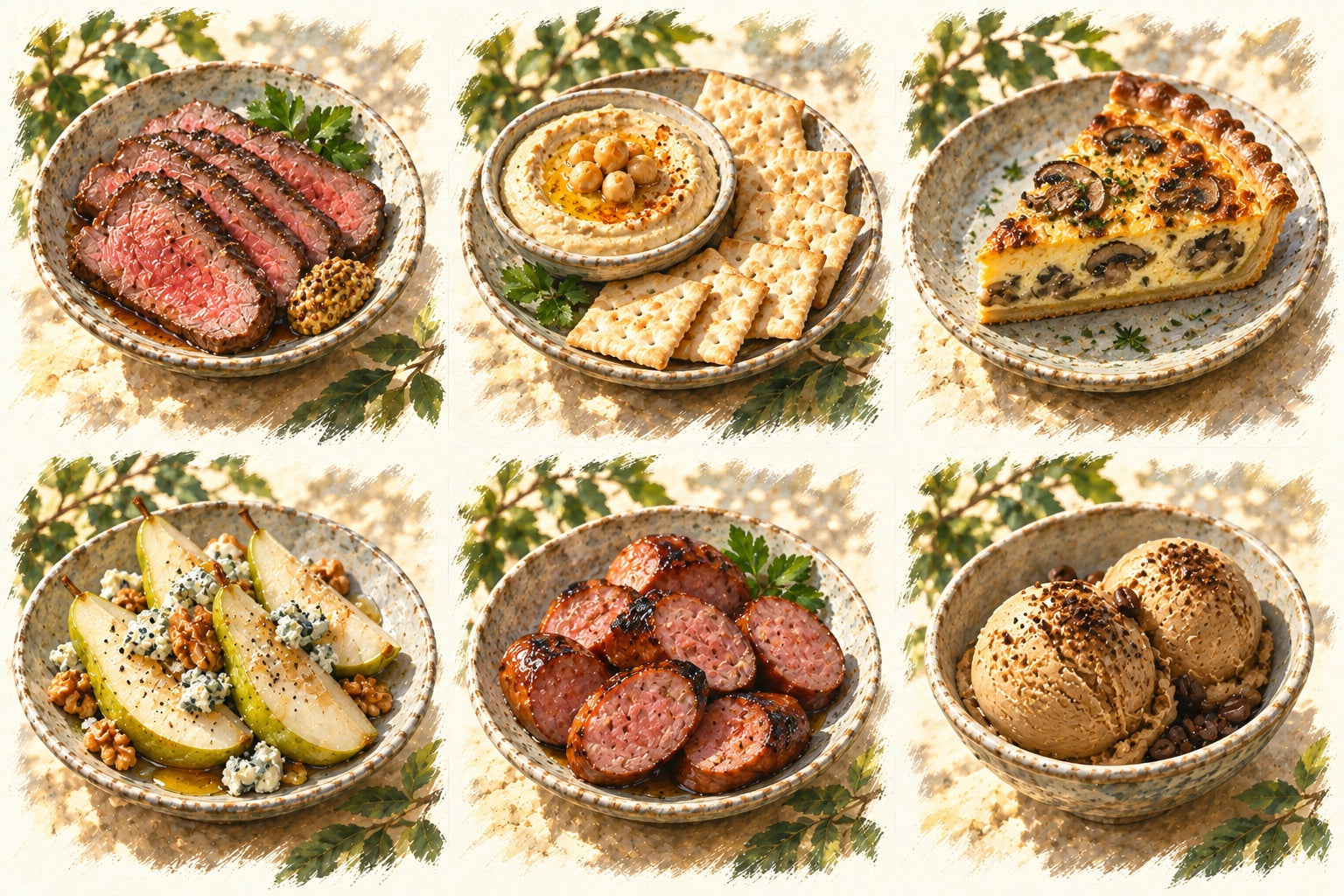
Six Japanese, six Western and six Chinese/Taiwanese dishes selected for this drink category, including familiar snacks and easy dishes to make at home.
Use canned tuna if mackerel is hard to find, spinach instead of bok choy, or a little soy sauce and citrus juice instead of ponzu. Adjust to taste.
Ingredients (2 snack portions)
200g ready-cooked sweet potato, 10g butter
Method
Try it withA small pour of aged rum
A small after-dinner experiment: alternate a bite and a sip, checking that bitterness does not overwhelm the sweetness.
Ingredients (2 snack portions)
150g mushrooms, 10g butter, 1 tsp soy sauce
Method
Try it withAged rum with a few drops of water
Explore the food’s grilled or toasted notes alongside the drink’s aroma. Start with moderate char and salt.
Ingredients (2 snack portions)
1 avocado, 1/2 sheet roasted nori, 1 tsp soy sauce
Method
Try it withWhite rum with unsweetened soda water
Try a lighter serving with green aromas and salt. Keep sharply acidic dressings modest at first.
Ready-cooked skewers work too. Choose salt for a lighter bite or glaze for sweet, savoury char.
Try it withAged rum with a few drops of water
Explore the food’s grilled or toasted notes alongside the drink’s aroma. Start with moderate char and salt.
A deli portion works well. Look for sweet-savoury miso and a lightly grilled surface.
Try it withAged rum with a few drops of water
Taste a little of the aromatic drink alongside the dish’s richness and umami. Adjust temperature or dilution if it dominates.
A small scoop of shop-bought ice cream brings roasted sesame aromas after dinner.
Try it withA small pour of aged rum
A small after-dinner experiment: alternate a bite and a sip, checking that bitterness does not overwhelm the sweetness.
Ingredients (2 snack portions)
200g mango flesh, 80ml ready-to-use coconut milk
Method
Try it withA small pour of aged rum
A small after-dinner experiment: alternate a bite and a sip, checking that bitterness does not overwhelm the sweetness.
Ingredients (2 snack portions)
80g unsalted roasted peanuts, 1/2 tsp sesame oil, a pinch of five-spice powder
Method
Try it withAged rum with a few drops of water
Explore the food’s grilled or toasted notes alongside the drink’s aroma. Start with moderate char and salt.
Sweet-savoury braised pork over rice. Adjust the drink to the strength of the sauce and star anise.
Try it withAged rum with a few drops of water
Taste a little of the aromatic drink alongside the dish’s richness and umami. Adjust temperature or dilution if it dominates.
Thin deli slices offer a sweet-savoury glaze and rich pork flavour.
Try it withAged rum with a few drops of water
Taste a little of the aromatic drink alongside the dish’s richness and umami. Adjust temperature or dilution if it dominates.
Ingredients (2 snack portions)
1 tomato, 2 eggs, 2 tsp oil, a pinch of salt
Method
Try it withAged rum with a few drops of water
Taste a little of the aromatic drink alongside the dish’s richness and umami. Adjust temperature or dilution if it dominates.
Cook frozen rolls as directed; enjoy the crisp pastry with sauce on the side.
Try it withWhite rum with unsweetened soda water
Try a fresher serving against the rich coating and oil. Serve chilli sauce separately to make comparison easier.
Ingredients (2 snack portions)
1 banana, 150g plain yogurt, 1 tsp unsweetened cocoa
Method
Try it withA small pour of aged rum
A small after-dinner experiment: alternate a bite and a sip, checking that bitterness does not overwhelm the sweetness.
A bar or individually wrapped pieces both work. Begin with cocoa that is not intensely bitter.
Try it withA small pour of aged rum
A small after-dinner experiment: alternate a bite and a sip, checking that bitterness does not overwhelm the sweetness.
A supermarket roast is fine. Let the herbs and browned skin lead, with sauce on the side.
Try it withAged rum with a few drops of water
Explore the food’s grilled or toasted notes alongside the drink’s aroma. Start with moderate char and salt.
Ingredients (2 snack portions)
1 carrot, 2 tsp olive oil, 1 tsp lemon juice, a pinch of cumin
Method
Try it withWhite rum with unsweetened soda water
Try a lighter serving with green aromas and salt. Keep sharply acidic dressings modest at first.
A small shop-bought scoop combines roasted coffee aromas and creamy texture.
Try it withA small pour of aged rum
A small after-dinner experiment: alternate a bite and a sip, checking that bitterness does not overwhelm the sweetness.
Choose a fully cooked product and follow its instructions; keep hot sauces light.
Try it withAged rum with a few drops of water
Taste a little of the aromatic drink alongside the dish’s richness and umami. Adjust temperature or dilution if it dominates.
1 tsp = 5ml; 1 tbsp = 15ml. Times are approximate.
Illustrations show serving ideas. Seasoning and the style of the drink will change the pairing.